Anak-anak sekarang tumbuh di dunia yang sangat berbeda dari masa ketika orang tua mereka bersekolah. Dulu, ketika ingin mencari tahu sesuatu, kita mungkin harus membuka buku, bertanya kepada guru, atau mencari informasi di perpustakaan. Sekarang, anak cukup membuka laptop atau handphone dan hampir semua informasi bisa ditemukan dalam hitungan detik. Bahkan dengan adanya AI, mereka bisa mendapatkan penjelasan, ide, atau jawaban hanya dengan mengetik beberapa kalimat.
Perubahan ini tentu membawa banyak hal positif. Anak memiliki akses ke informasi yang jauh lebih luas dan bisa belajar tentang berbagai hal yang membuat mereka penasaran. Namun, di sisi lain, perkembangan teknologi juga membuat banyak parents mulai memikirkan kembali tentang pendidikan anak mereka.
Kalau informasi dan jawaban semakin mudah didapatkan, lalu apa yang sebenarnya perlu dipelajari anak di sekolah?
Mungkin jawabannya bukan sekadar lebih banyak hafalan. Anak tetap membutuhkan dasar akademik yang kuat, tetapi mereka juga perlu belajar bagaimana menggunakan pengetahuan tersebut. Mereka perlu tahu bagaimana bertanya, berpikir, mencari solusi, bekerja sama dengan orang lain, dan mengambil keputusan ketika tidak ada jawaban yang langsung tersedia.
Karena itu, pendidikan anak saat ini perlu mempersiapkan mereka bukan hanya untuk menghadapi ujian, tetapi juga untuk menghadapi dunia yang terus berubah.
Ketika AI Bisa Memberikan Jawaban, Anak Perlu Belajar Cara Berpikir
AI bisa membantu anak mencari informasi dan memahami sesuatu dengan lebih cepat. Tetapi ada satu hal yang tidak seharusnya hilang dari proses tersebut: kemampuan anak untuk berpikir sendiri.
Ketika mendapatkan jawaban dari AI atau internet, anak perlu terbiasa bertanya, Apakah ini benar?, Dari mana informasi ini berasal?, atau Apakah ada cara lain untuk melihat masalah ini?
Kemampuan seperti ini akan menjadi semakin penting karena anak akan hidup di dunia yang penuh dengan informasi. Tidak semua informasi yang mereka temukan benar, dan tidak semua jawaban yang terlihat meyakinkan memang tepat.
Karena itu, sekolah memiliki peran untuk membantu anak membangun kemampuan berpikir kritis sejak dini.
Di samping pengetahuan akademik, anak perlu memiliki kemampuan seperti:
- Critical thinking, agar mereka tidak langsung menerima semua informasi begitu saja.
- Problem solving, agar mereka terbiasa mencari jalan keluar ketika menghadapi masalah.
- Communication, agar mereka mampu menyampaikan ide dan pendapat dengan jelas.
- Creativity, agar mereka berani melihat sebuah masalah dari sudut pandang yang berbeda.
- Independence, agar mereka perlahan mampu mengambil keputusan dan bertanggung jawab atas pilihannya.
Kemampuan tersebut tidak selalu bisa dibangun hanya melalui buku atau ujian. Anak membutuhkan kesempatan untuk menggunakannya dalam situasi yang nyata.
Anak Juga Perlu Kesempatan untuk Menemukan Apa yang Mereka Sukai
Selain kemampuan akademik, ada satu hal yang terkadang terlupakan ketika membicarakan masa depan anak yaitu passion.
Tidak semua anak langsung tahu apa yang mereka sukai. Ada anak yang sejak kecil sudah tahu bahwa mereka menyukai Science. Ada yang senang menggambar, bermain olahraga, membuat sesuatu dengan tangannya, atau tertarik dengan teknologi. Tetapi ada juga anak yang masih mencoba berbagai hal dan belum menemukan sesuatu yang benar-benar membuat mereka tertarik.
Dan itu tidak masalah, anak membutuhkan ruang untuk mencoba sebelum mereka bisa mengetahui apa yang benar-benar mereka sukai. Sekolah dapat menjadi salah satu tempat di mana proses tersebut terjadi. Bukan hanya melalui mata pelajaran, tetapi juga melalui pengalaman yang memberikan anak kesempatan untuk mengeksplorasi rasa ingin tahu mereka.
Passion Project: Ketika Belajar Berawal dari Rasa Penasaran
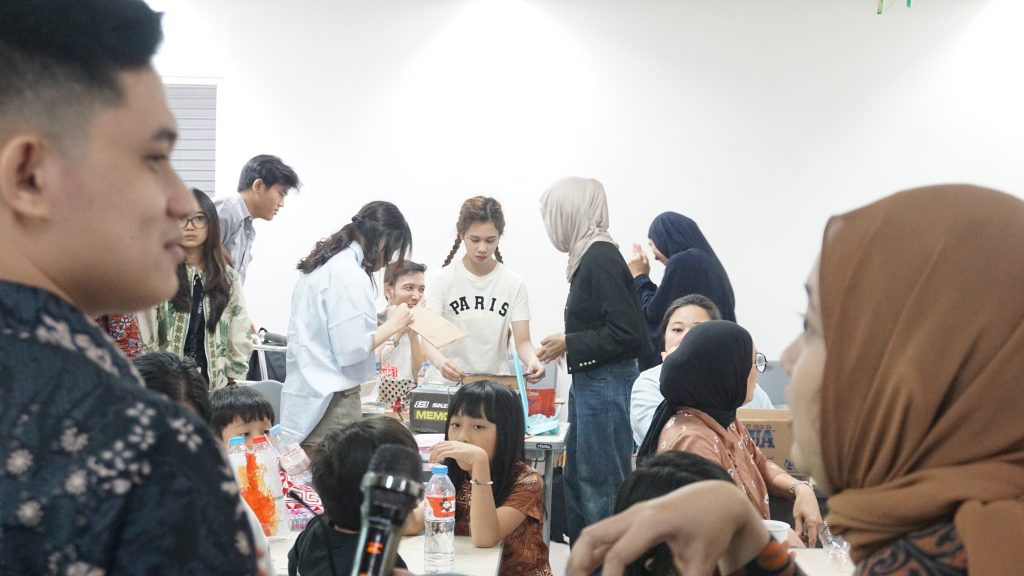
Di JA School Bali, siswa memiliki kesempatan untuk mengikuti Passion Project, di mana mereka dapat mengeksplorasi topik atau hal yang memang menarik bagi mereka.
Yang menarik dari project seperti ini adalah prosesnya tidak berhenti pada memilih sebuah topik.
Anak perlu mencari informasi, mengembangkan ide, mencoba membuat sesuatu, menghadapi masalah, melakukan perubahan, dan kemudian menjelaskan apa yang sudah mereka kerjakan.
Misalnya, seorang siswa memiliki ketertarikan pada teknologi. Daripada hanya membaca tentang teknologi, mereka bisa mulai mencari tahu bagaimana sesuatu bekerja, melakukan research, mengembangkan sebuah ide, dan mempresentasikan hasilnya.
Dari satu project, anak bisa belajar banyak hal sekaligus. Mereka belajar mengatur waktu, mencari informasi, menyelesaikan masalah, dan berkomunikasi. Yang paling penting, mereka belajar bahwa proses belajar tidak selalu harus dimulai dari buku pelajaran. Kadang-kadang, belajar justru dimulai dari rasa penasaran terhadap sesuatu.
Life Skills: Ada Hal yang Bisa Dipelajari dari Pengalaman
Ketika orang tua memikirkan pendidikan anak, biasanya yang langsung terlintas adalah nilai, ujian, dan hasil akademik.
Hal tersebut memang penting. Tetapi semakin anak bertambah besar, ada banyak kemampuan lain yang akan mereka gunakan setiap hari.
Bagaimana mengatur waktu? Bagaimana bekerja sama dengan orang lain? Bagaimana menyampaikan pendapat dengan baik? Bagaimana menghadapi kegagalan? Bagaimana mengambil keputusan ketika tidak ada orang yang memberikan instruksi?
Kemampuan tersebut merupakan bagian dari Life Skills.
Di JA School Bali, Life Skills menjadi bagian dari pengalaman belajar siswa. Anak diberikan kesempatan untuk belajar menjadi lebih mandiri dan bertanggung jawab melalui berbagai pengalaman yang dekat dengan kehidupan mereka.
Tujuannya bukan agar anak harus menjadi dewasa lebih cepat. Justru mereka diberikan kesempatan untuk belajar secara bertahap, sehingga ketika suatu saat mereka harus mengambil keputusan sendiri, mereka sudah memiliki pengalaman untuk melakukannya.
Belajar Tidak Selalu Harus Duduk di Dalam Kelas
Anak juga membutuhkan kesempatan untuk bergerak, bermain, bersosialisasi, dan berinteraksi dengan teman.
Karena itu, pengalaman sekolah tidak seharusnya hanya terdiri dari buku, tugas, dan ujian.
Di JA School Bali, siswa juga memiliki kegiatan seperti Sport Day. Melalui kegiatan ini, mereka dapat menikmati aktivitas fisik sekaligus belajar tentang teamwork dan sportsmanship.
Menang tentu menyenangkan, tetapi ketika kalah pun ada sesuatu yang bisa dipelajari. Anak belajar menerima hasil, memberikan dukungan kepada teman, bekerja sebagai bagian dari tim, dan mencoba kembali.
Hal-hal seperti ini mungkin tidak muncul dalam soal ujian, tetapi akan tetap mereka bawa ketika beranjak dewasa.
Memberikan Anak Ruang untuk Mencoba dan Berkembang
Membicarakan Life Skills, Passion Project, atau Sport Day bukan berarti akademik menjadi kurang penting. Justru kemampuan akademik tetap menjadi fondasi utama pendidikan anak.
Di JA School Bali, siswa mengikuti Pearson Edexcel International Curriculum dalam lingkungan belajar yang menggunakan bahasa Inggris. Dengan small classes dan personalised learning, guru memiliki kesempatan untuk lebih mengenal siswa dan memahami bagaimana mereka belajar.
Hal ini menjadi penting karena tidak semua anak berkembang dengan kecepatan dan cara yang sama. Ada siswa yang membutuhkan tantangan lebih besar ketika sudah memahami materi. Ada juga yang membutuhkan lebih banyak waktu atau pendekatan berbeda sebelum benar-benar memahami sebuah konsep.
Dalam kelas yang lebih kecil, guru memiliki ruang yang lebih besar untuk memperhatikan perkembangan tersebut. Dengan demikian, personalised learning bukan berarti anak tidak mendapatkan standar akademik yang sama. Justru pendekatannya membantu siswa mendapatkan dukungan yang lebih sesuai dengan kebutuhan mereka.
English Bukan Hanya Tentang Belajar Bahasa
Bagi banyak keluarga yang tinggal di Bali, terutama international families, kemampuan bahasa Inggris juga menjadi salah satu pertimbangan ketika memilih sekolah.
Namun, belajar English tidak hanya berarti mempelajari grammar atau vocabulary. Anak juga perlu terbiasa menggunakan bahasa Inggris untuk berdiskusi, membaca, menulis, menyampaikan ide, dan memahami materi akademik.
Di JA School Bali, siswa belajar dalam English-speaking environment, sehingga penggunaan bahasa Inggris menjadi bagian dari kehidupan belajar mereka sehari-hari.
Hal ini juga dapat menjadi fondasi yang membantu anak ketika nantinya melanjutkan pendidikan ke jenjang yang lebih tinggi dengan lingkungan internasional.
Bagaimana Semua Ini Berkaitan dengan Masa Depan Anak?
Tidak ada yang benar-benar tahu seperti apa dunia ketika anak-anak kita nanti berusia 20 atau 25 tahun. Teknologinya mungkin sudah sangat berbeda. Pekerjaan yang sekarang belum ada mungkin sudah menjadi hal yang biasa. Bahkan cara kita belajar dan bekerja mungkin sudah berubah. Karena itu, mungkin kita tidak bisa mempersiapkan anak hanya untuk satu jenis pekerjaan atau satu dunia yang kita kenal sekarang. Yang bisa kita berikan adalah fondasi agar mereka mampu beradaptasi.
Anak yang terbiasa berpikir kritis akan lebih siap ketika menemukan informasi baru. Anak yang terbiasa menyelesaikan project akan lebih nyaman ketika menghadapi masalah yang belum pernah mereka temui. Anak yang belajar bekerja sama akan lebih siap berada di lingkungan baru. Dan anak yang terbiasa mengambil keputusan secara bertahap akan lebih percaya diri ketika semakin mandiri.
Itulah mengapa pendidikan masa kini perlu melihat anak secara lebih utuh. Bukan hanya sebagai siswa yang harus mendapatkan nilai bagus, tetapi sebagai individu yang sedang mempersiapkan dirinya untuk kehidupan di masa depan.
Membangun Pengalaman Belajar yang Lebih Lengkap di JA School Bali
Pendekatan inilah yang menjadi bagian dari pengalaman belajar di JA School Bali.
Dengan Pearson Edexcel International Curriculum, personalised learning, small classes, dan English-speaking environment, siswa mendapatkan fondasi akademik yang kuat. Di saat yang sama, mereka juga mendapatkan kesempatan untuk berkembang melalui Life Skills, Passion Project, Sport Day, dan berbagai pengalaman belajar lainnya.
Semua bagian tersebut saling melengkapi. Akademik membantu anak membangun pengetahuan. Passion Project memberikan ruang untuk mengeksplorasi minat. Life Skills membantu mereka menjadi lebih mandiri. Sport Day memberikan pengalaman tentang teamwork dan sportsmanship.
Tujuannya bukan membuat anak menjadi sempurna dalam segala hal. Tujuannya adalah membantu setiap anak menemukan kekuatannya dan memiliki kepercayaan diri untuk terus berkembang.
Karena Masa Depan Anak Tidak Hanya Ditentukan oleh Nilai
Pada akhirnya, nilai tetap penting. Ujian tetap menjadi bagian dari perjalanan pendidikan. Tetapi ketika anak meninggalkan sekolah nanti, mereka tidak akan hanya membawa rapor. Mereka akan membawa cara berpikir, pengalaman, kebiasaan, rasa percaya diri, kemampuan berkomunikasi, dan kemampuan untuk menghadapi sesuatu yang belum pernah mereka lakukan sebelumnya.
Jika Anda sedang mencari lingkungan pendidikan internasional di Bali yang tidak hanya berfokus pada akademik, tetapi juga memberikan ruang bagi anak untuk berkembang secara personal, JA School Bali dapat menjadi salah satu pilihan yang bisa Anda kenali lebih dekat.
Daripada hanya melihat informasi dari website, parents dapat datang langsung, melihat lingkungan sekolah, berbicara dengan tim, dan memahami bagaimana pengalaman belajar di JA School Bali.
Because every child has a different journey. And the right learning environment can make that journey feel very different.
Interested to know more about JA School Bali?
Book a School Visit and discover our learning environment firsthand.