Choosing a school for your child in Bali is not always about finding the school with the biggest facilities or the longest schedule. For many parents, especially expat families living in Bali, there is another question that may matter more:
Is my child really getting what they need from school?
Of course, children need a strong academic foundation. They need to learn Maths, English, Science, and other core subjects that will support them throughout their education.
But at the same time, children also need to learn how to think, communicate, make decisions, work with others, and become more independent.
So, does school always need to mean more subjects, longer hours, and more homework?
Maybe not. For some children, a more focused and personalised approach can create a better learning experience.
Contents
- It’s Not Always About More, but About Better Focus
- Core Subjects Still Matter
- Children Also Need to Learn Things That Aren’t in a Textbook
- Giving Children Space to Discover Their Interests
- Small Classes Can Make a Difference
- An International School Is About More Than the Curriculum
- Children Still Need Time Outside the Classroom
- Is This Approach Right for Every Child?
- A Different Way to Learn in Bali
It’s Not Always About More, but About Better Focus
A long school day with a wide range of subjects can certainly look comprehensive. But spending more time at school does not always mean children are learning more effectively.
Every child has a different ability to focus. When they spend the whole day moving from one lesson to another, completing assignments, and then coming home to more homework, there may be very little time left to rest or do the things they genuinely enjoy.
Children also need space to grow beyond textbooks and exams.
A more focused approach does not mean taking education less seriously. In fact, it means using learning time more intentionally – making sure children understand what matters, receive enough attention from their teachers, and have the opportunity to learn in a way that works for them.
Core Subjects Still Matter
Personalised education does not mean academics become less important.
Maths, English, Science, and other core subjects remain an important part of a child’s education. What can make a difference is how those subjects are taught.
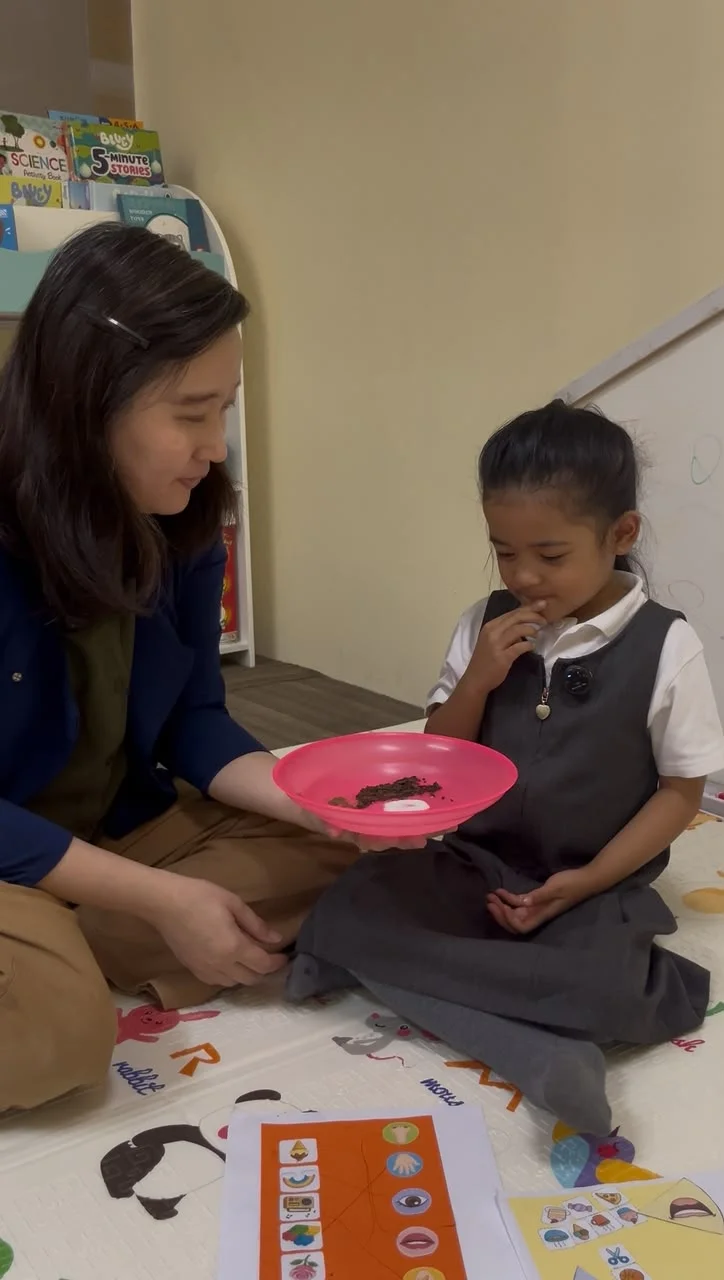
In a smaller class, teachers have more opportunities to understand how each student learns. Children also have more space to ask questions, take part in discussions, and receive support when they find something challenging.
They are not simply expected to complete the material. They are encouraged to actually understand what they are learning.
For some children, this kind of environment can make learning feel calmer, more focused, and more purposeful.
Children Also Need to Learn Things That Aren’t in a Textbook
Academic results matter. But parents are not only preparing their children for exams. They are also preparing them for life.
How does your child communicate with others?
Can they work as part of a team?
Are they comfortable expressing their ideas?
How do they respond when things do not go as planned?
Can they manage their time and take responsibility for their own tasks?
These are not always skills that children develop through textbooks alone.
That is why Life Skills can be an important part of a child’s education.
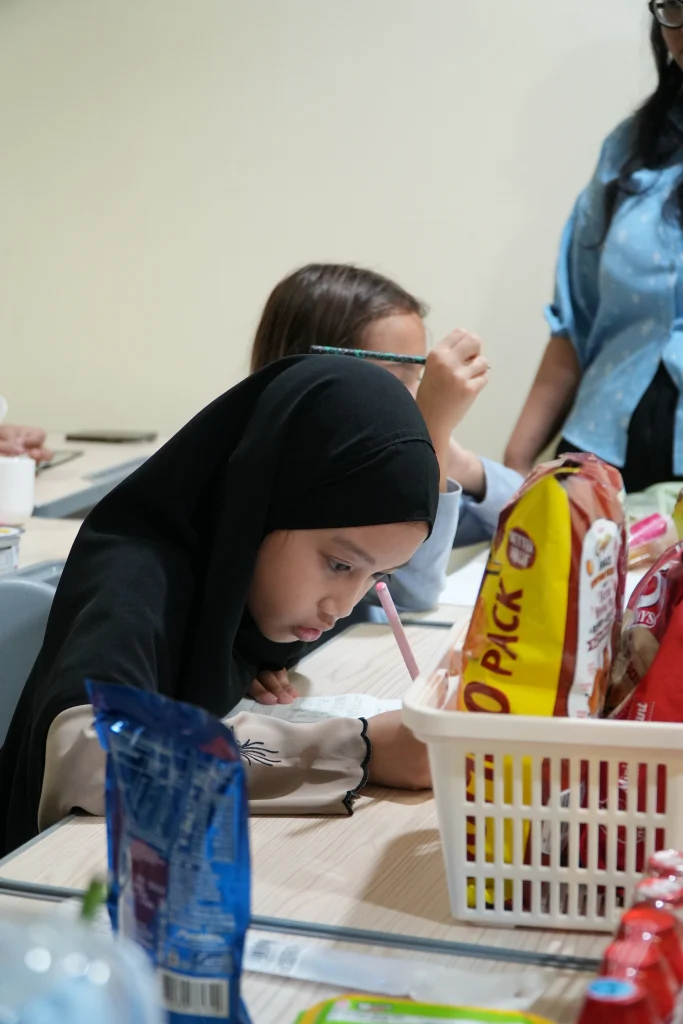
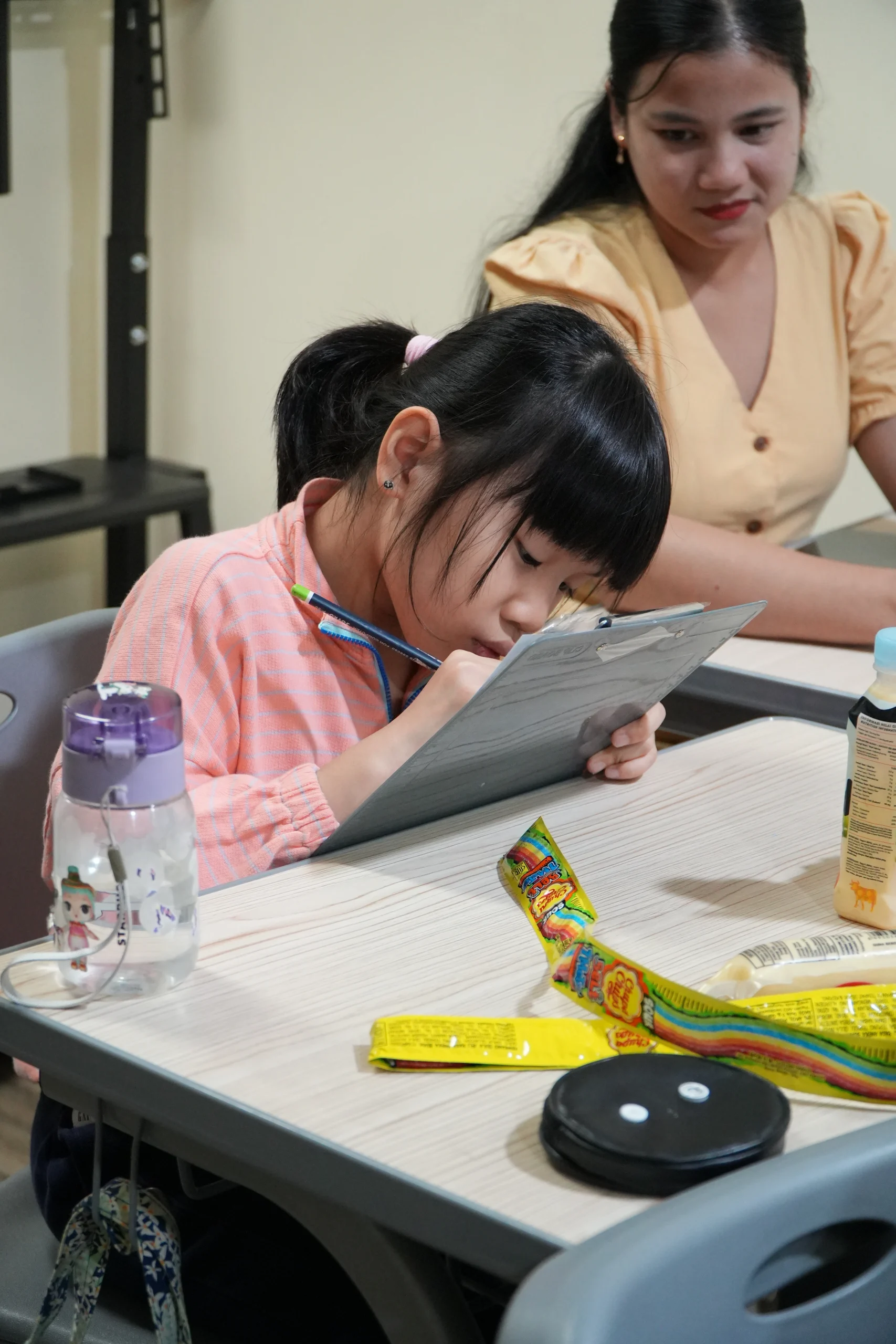
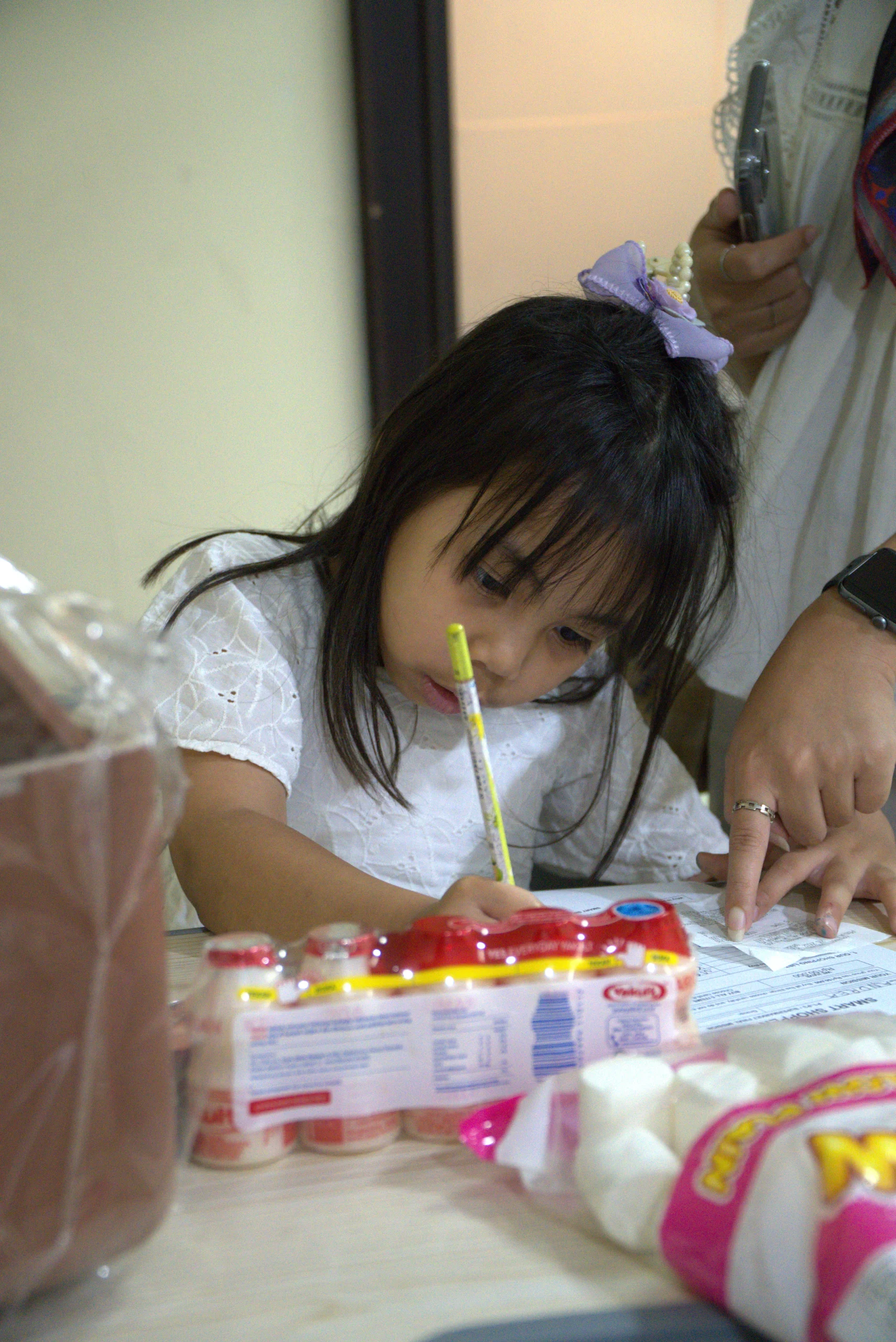
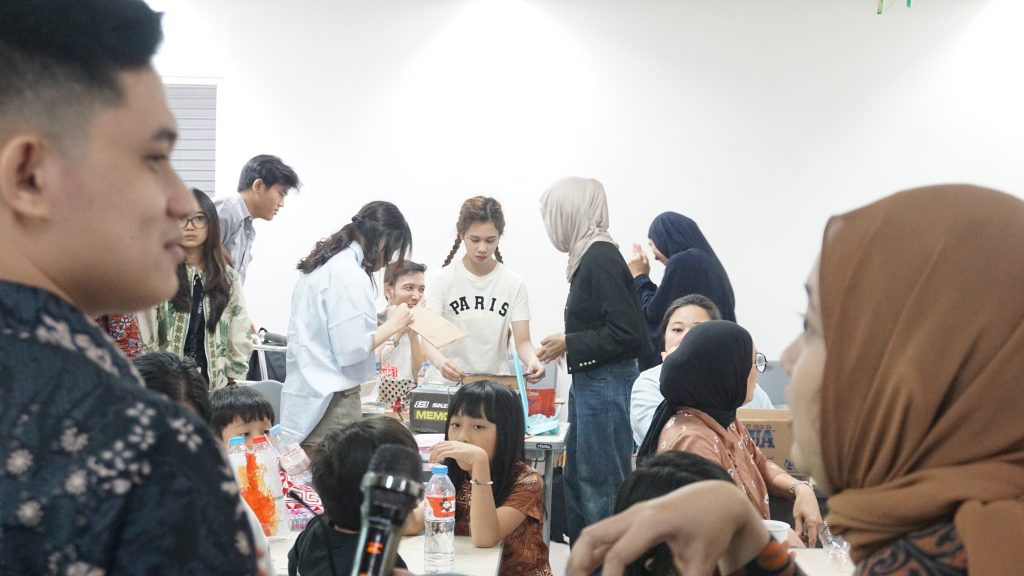
At JA School Bali, Life Skills are part of the learning experience, helping students develop practical skills they can use not only at school, but also in everyday life.
Giving Children Space to Discover Their Interests
Every child is interested in different things.
Some enjoy sports. Others may be interested in art, technology, business, music, or creating things with their hands.
Not every interest needs to become a school subject.
Sometimes, children simply need the time and space to explore.
Through the Passion Project, students at JA School Bali have the opportunity to explore something they genuinely care about, develop their own ideas, and take greater responsibility for their learning.
Experiences like these can help children discover what they enjoy, what they are good at, and what they may want to explore further.
Small Classes Can Make a Difference
Class size is another factor worth considering when choosing a school.
In a large classroom, it can be difficult for a teacher to give the same level of attention to every student.
In a smaller class, teachers can get to know each child more closely. They can notice when a student is struggling, understand how they learn best, and provide more appropriate challenges when they are ready to move further.
At JA School Bali, small classes are part of the personalised learning approach.
The goal is not simply to have fewer students in a classroom, but to create an environment where every child is known, supported, and given more personal attention.
An International School Is About More Than the Curriculum
For expat families, choosing a school with an international curriculum is naturally an important consideration.
But the curriculum is only one part of the school experience.
The learning environment matters too.
How do teachers interact with students? Do children receive enough individual attention? Do they have space to explore their interests? Do they feel comfortable asking questions and expressing their ideas?
JA School Bali follows the Pearson Edexcel International Curriculum in an English-speaking learning environment.
However, the experience goes beyond academics. Students also have opportunities to develop Life Skills, Passion Project, and Sport Day as part of their overall school experience.
Children Still Need Time Outside the Classroom
For families living in Bali, a child’s life does not stop when the school day ends.
There are sports, hobbies, family time, and other activities that are also important to a child’s development.
That is why the school schedule is worth considering too.
A more focused school approach can give children room to enjoy life outside the classroom without compromising their academic foundation.
They can continue learning their core subjects while also having time to explore their interests, stay active, spend time with friends and family, and simply enjoy being a child.
Is This Approach Right for Every Child?
Of course, there is no single school model that works for every child.
Some children enjoy a large school with a wide range of activities and a busy schedule.
Others may thrive in a smaller, calmer environment where they receive more personal attention.
If your child tends to feel overwhelmed by a packed school schedule, needs more individual support from teachers, or has interests they would like more time to explore, a more focused approach to education may be worth considering.
In the end, the question is not always:
Which school offers the most?
Perhaps the better question is:
Which school is the right fit for what my child actually needs?
A Different Way to Learn in Bali
JA School Bali is an International Microschool in Bali with the Pearson Edexcel International Curriculum, combining academic learning with a more personalised approach.
Students learn core subjects in small classes, receive personalised learning, and have opportunities to develop through Life Skills, Passion Project, and Sport Day.
The approach is not about making children learn less.
It is about making their learning time more focused, personal, and meaningful.
For expat families looking for a school in Bali that offers a more focused and personalised approach while maintaining a strong academic foundation, JA School Bali may be worth considering.
Because education is not only about how much children learn.
It is also about how they learn, who they are becoming, and whether they have enough space to become themselves.
If you are looking for a school in Bali and want to explore whether a more personalised approach could be the right fit for your child, visiting JA School Bali can be a good place to start.