What Is a Hybrid School? Meaning, Models, Benefits and How to Choose One
Ask five schools what “hybrid” means and you may get five different answers. For some, it is a pandemic-era rota of classroom days and video calls. For others, it is a carefully designed school week in which students attend campus part of the time and learn online, with teacher support, the rest. This guide explains what a hybrid school really is, the main models, what a typical week looks like, who benefits, and what to ask before you enrol. It is written for families in Indonesia, with examples from schools around the world.
What Is a Hybrid School?
A hybrid school is a school that combines in-person learning on campus with structured online or at-home learning, instead of asking students to be on campus five days a week. What separates it from homeschooling is that students are formally enrolled in a school that provides the curriculum, the teaching and the grading.
The idea is close to hybrid learning, the mix of face-to-face and online teaching. The difference is scope. Hybrid learning is a method a teacher can use in one class. A hybrid school is a whole school model: the timetable, curriculum, learning platform and student support are all built around a mixed format from day one.
Some education writers also separate hybrid (live online lessons plus in-person days at fixed times) from blended (a mix of live and self-paced study). In practice schools use the words loosely, so judge a school by its timetable, not its label.
The Two Main Hybrid School Models
Not all hybrid schools work the same way. Two models are common:
- Parent-supported home days. Students attend campus two to four days a week. On the other days they follow school-set assignments, pacing guides or recorded lessons, often with a parent acting as co-teacher. This model is common among homeschool-partnership schools in the United States.
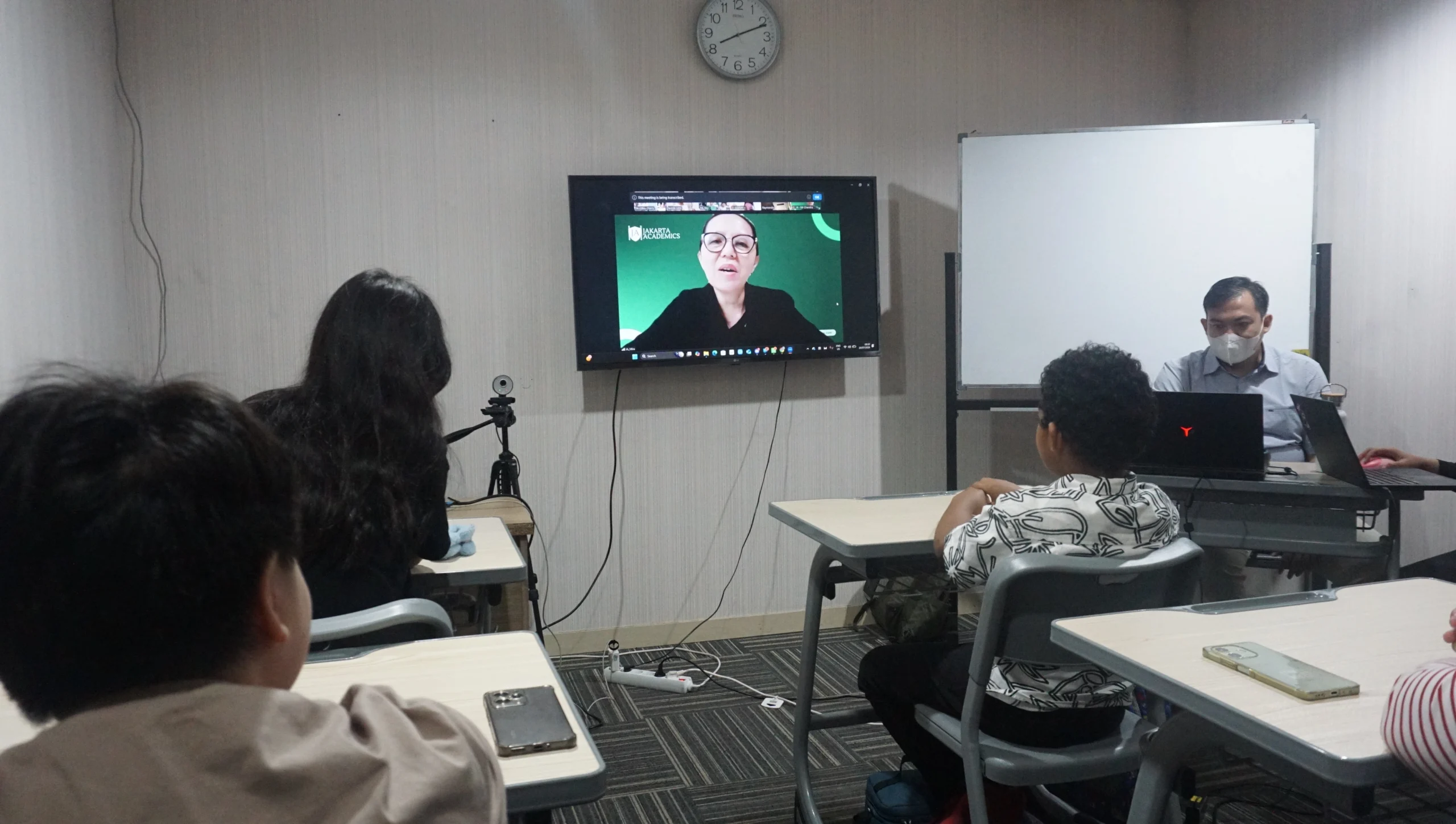
- Teacher-led on every day. Teachers deliver instruction on campus and also run live sessions online on the remaining days. Families are not expected to teach, which matters for working parents or families without subject expertise.
Neither model is automatically better. The right one depends on how much support your child needs and how much time your family can give. Always ask who teaches on the non-campus days.
How Does a Hybrid School Work?
Whatever the model, a well-run hybrid school has three connected parts:
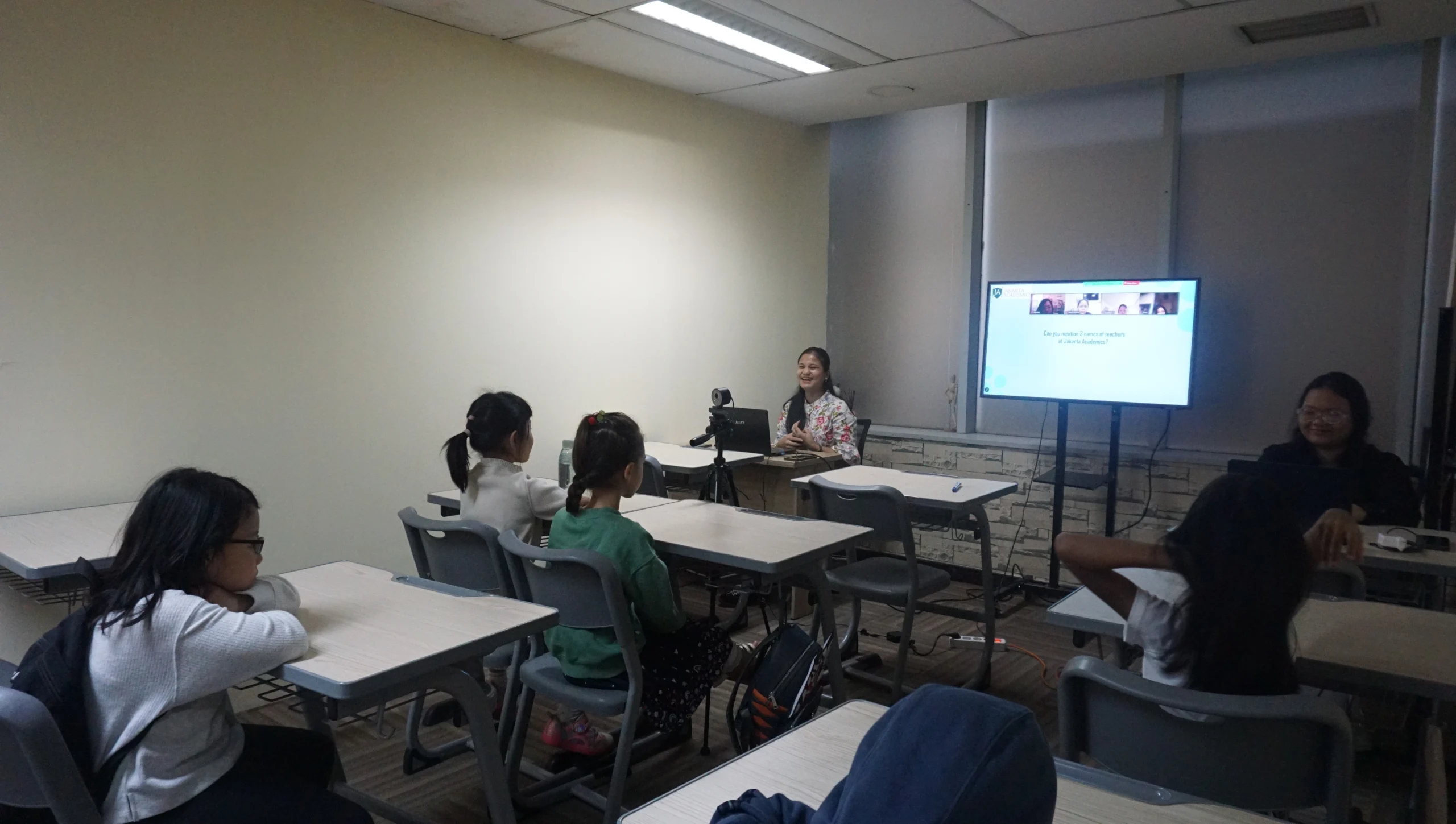
- In-person sessions. Campus time is for what works best together: discussion, practicals, group projects, presentations, teacher consultations and social activities.
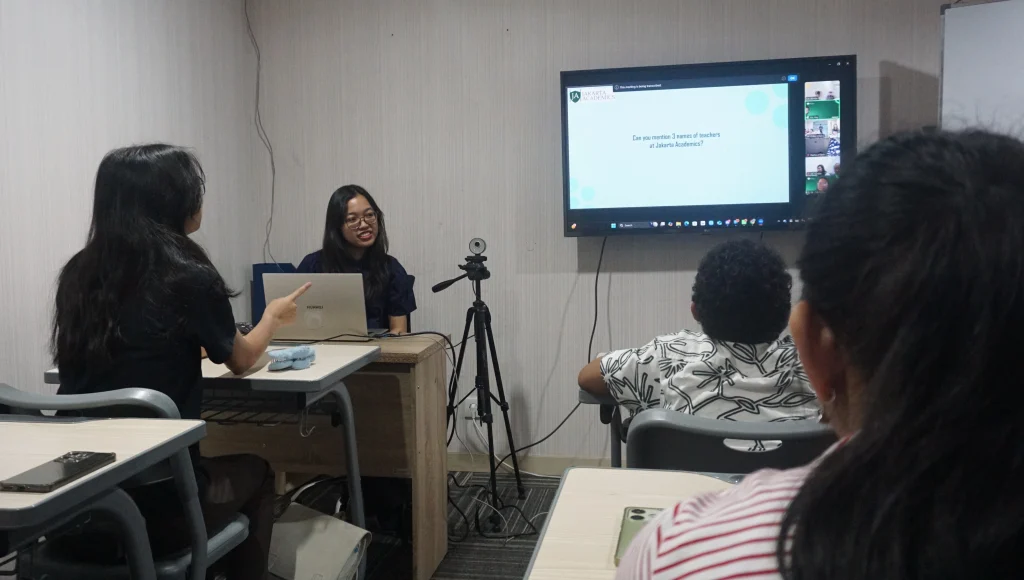
- Online learning. Students use a learning management system (LMS) to reach lessons, videos and exercises. Some sessions are live with a teacher (synchronous). Others are done at the student’s own pace (asynchronous).
- Support and assessment. Teachers or mentors monitor progress, give feedback and adjust workload for each student.
The three parts must connect. If online learning is just “assignments uploaded to a portal”, with no live teaching or follow-up, it quickly becomes learning without direction.
What a Hybrid School Week Might Look Like
The example below is illustrative only. Real schedules vary; in the United States, most hybrid students attend in-person classes two to four days a week.
| Day | Format | Typical activities |
|---|---|---|
| Monday | On campus | Core subject classes, labs, group discussion |
| Tuesday | Online | Live lesson in the morning, independent practice in the afternoon |
| Wednesday | On campus | Projects, presentations, mentor check-in |
| Thursday | Online | Self-paced modules, assignments, small-group video session |
| Friday | Flexible | Clubs, tutoring, catch-up or enrichment |
Hybrid School vs Online School vs Homeschooling vs Traditional School
| Aspect | Hybrid school | Fully online school | Homeschooling | Traditional school |
|---|---|---|---|---|
| Where learning happens | Campus + online | Entirely online | Home / community | Campus |
| In-person interaction | Scheduled, structured | Minimal | Depends on the family | Every day |
| Who provides the curriculum | The school | The school | Usually the family | The school |
| Time flexibility | Medium to high | High | High | Low |
| Teacher support | Regular | Through the screen | Parents / tutors | Regular |
| Best for | Students who need structure and flexibility | Very self-driven students | Families ready to manage everything | Students comfortable with a fixed routine |
Benefits of a Hybrid School
- Flexibility in time and place. Students who train in sport, pursue the arts or run projects can fit academics around those commitments. In a 2025 US survey reported by GreatSchools, one-third of parents said they would prefer a schedule that includes one to four days of at-home learning.
- More personal pacing. Students can revisit difficult material and move faster on topics they have mastered. This depends on how the school is designed, not on the hybrid format alone.
- Independence. Managing a schedule and finishing work without constant supervision is a skill universities and employers expect.
- Social contact is kept. Campus days preserve friendships, teacher relationships and school community.
- Digital fluency. Students get used to online platforms and remote collaboration during high school.
- A bridge for some students. A hybrid schedule can help students who find a five-day week overwhelming rebuild routine and confidence gradually.
Challenges and Limits
A hybrid school is not right for every child. Reviews of hybrid learning point to loosely structured days, material piling up when students procrastinate, and dependence on devices. Research on US hybrid schools by Kennesaw State University found wide variation in practice, which suggests that how personal and rigorous a hybrid school is depends on its philosophy, curriculum and how home days are structured. That is why the quality of support and monitoring separates a good hybrid school from a careless one.
Who Is a Hybrid School Right For?
- Students who are fairly independent, or willing to be coached toward independence.
- Families who want flexibility without losing the structure and accountability of a school.
- Students with demanding outside commitments, such as athletes, performers or entrepreneurs.
- Students who want to practise a university style of learning before they get there.
- Families who have been homeschooling and now want more structure and peer interaction.
Students who struggle to work without supervision, or whose families cannot provide any support on home days, should look for a teacher-led model or a conventional school.
Is a Hybrid School Legitimate? Licence, Curriculum and Diploma
A hybrid format says nothing about quality or recognition. Before you enrol, ask the school for its operating permit, which curriculum it teaches (national, international or mixed), how students are assessed, and how its diploma or certificate is recognised by universities in Indonesia and abroad. If your child plans to study overseas, ask which universities have accepted past graduates.
How Much Does a Hybrid School Cost?
Fees vary widely by country and by how much teaching the school provides. A 2022 national survey of US hybrid schools found an average annual tuition of about US$4,158, well below typical private school fees, but those schools were mostly parent-supported models for younger children. Teacher-led programmes with small classes usually cost more. In Indonesia, compare the total yearly cost, including registration, platform, exams and materials, not just the headline tuition.
Quick Checklist Before You Choose
- Who teaches on the non-campus days, and how are those sessions run?
- How many days are on campus, and what happens there?
- Who monitors progress, and how are parents informed?
- What licence, curriculum and diploma does the school offer?
- What is the total cost, in writing?
- Can your child attend a trial day or see a demo of the platform?
FAQ
What is the difference between a hybrid school and hybrid learning? Hybrid learning is a teaching method that combines in-person and online study. A hybrid school is a school whose whole system is designed around that method.
Is a hybrid school the same as an online school? No. A hybrid school has scheduled in-person sessions on campus, while an online school runs entirely online.
Is a hybrid school the same as homeschooling? No. In a hybrid school the school provides the curriculum, teaching and grading. In homeschooling the family usually takes that role.
How many days are usually on campus? It varies. In the United States, most hybrid students attend two to four days a week. Always check the actual timetable.
Is a hybrid school diploma recognised? It depends on the school’s licence and curriculum. Ask the school for its permit and graduate pathways.
Want to see how a hybrid school works in practice? Contact the Jakarta Academics admissions team for a campus visit or consultation.