Love Travelling With Your Kids? Here’s How to Keep Their Education on Track

For some families, travelling is more than just a school holiday activity. It is part of everyday life.

Some parents travel regularly for work, while others love taking their children to explore new places. For expat families living in Bali, visiting their home country to spend time with relatives can also mean being away for several weeks.

Living in Bali offers plenty of opportunities for this kind of lifestyle. A weekend might be spent exploring another part of Indonesia, while a longer holiday could mean travelling overseas with the family.

But alongside all the excitement, many parents have one important question:

What happens to your child’s education when they cannot attend school because the family is travelling? Will they fall behind?

It is a reasonable concern. Parents want their children to experience the world, discover new interests, and spend quality time with family. At the same time, they want to make sure their children continue developing academically.

That is why choosing the right international school in Bali involves more than looking at the curriculum and teaching quality. It is also worth considering whether a school understands your family’s needs and can help your child maintain academic progress when circumstances change.

When Family Schedules Don’t Always Follow a Routine

Every family has a different routine. Some families plan their trips months in advance. Others need to travel because of work or family commitments outside Bali.

In these situations, a fixed school schedule can sometimes be challenging. When children miss school, they may miss important explanations, assignments, or classroom activities that are not always easy to make up later.

The issue is not that children cannot learn while travelling. What matters is how they continue receiving guidance and understanding the material they need to study. This is where flexible learning becomes important.

Flexible learning does not mean children can study whenever they want without any structure. Instead, it allows learning arrangements to take individual needs and circumstances into account while keeping academic goals, assignments, and progress in focus.

For families who travel regularly, this approach can help reduce the worry of returning home to a long list of missed lessons.

What If Your Child Cannot Attend School in Person?

Imagine your family needs to spend several days outside Bali. Your child cannot attend their usual classes, and you start wondering how much schoolwork they will miss.

The concern is not just about attendance. It is also about keeping up with the lessons.

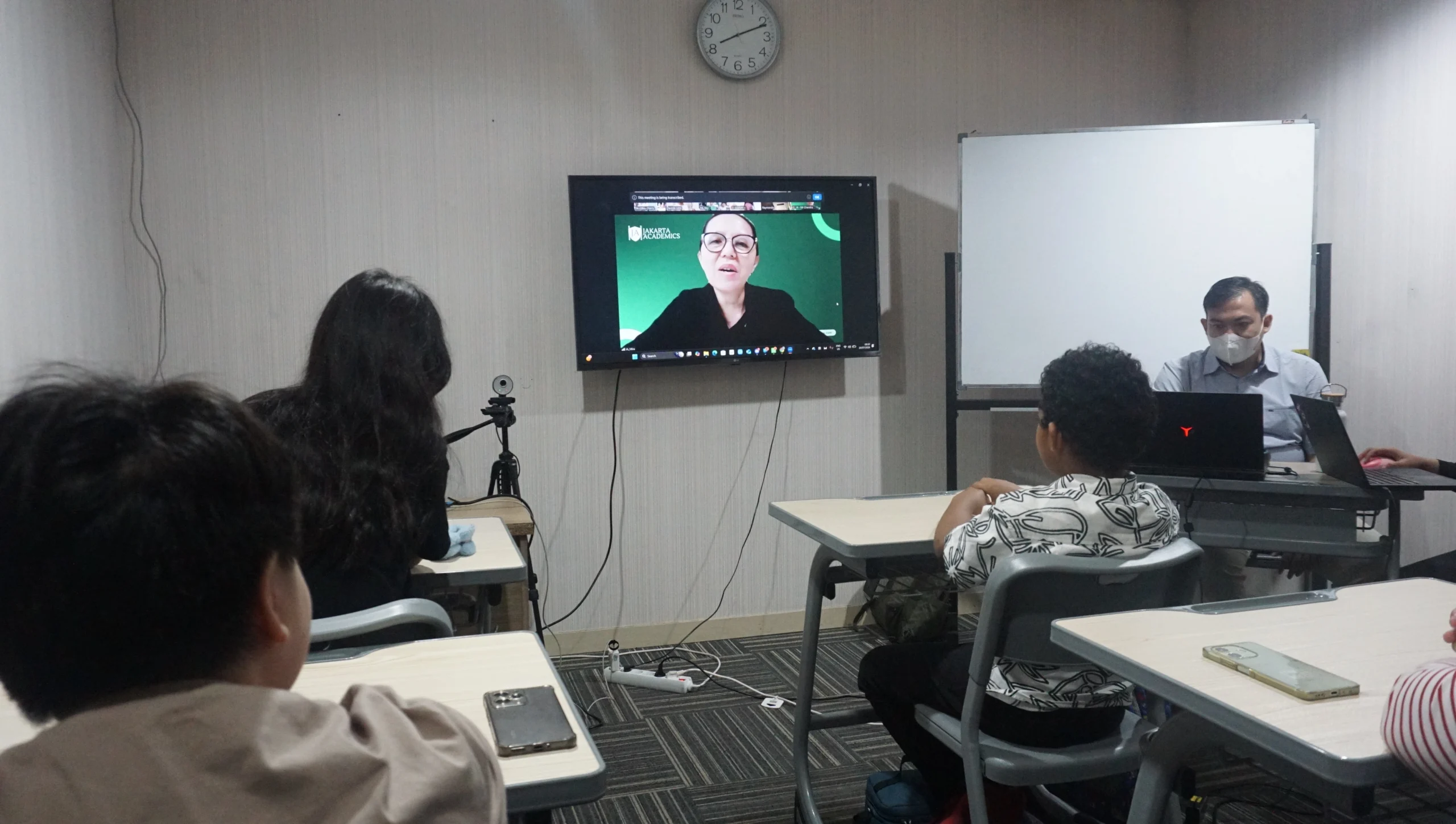
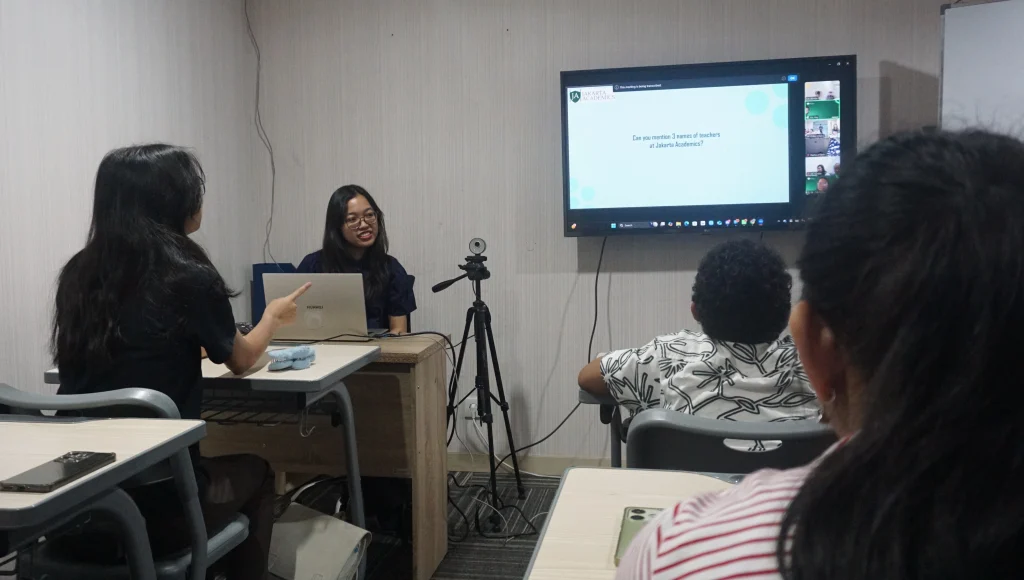
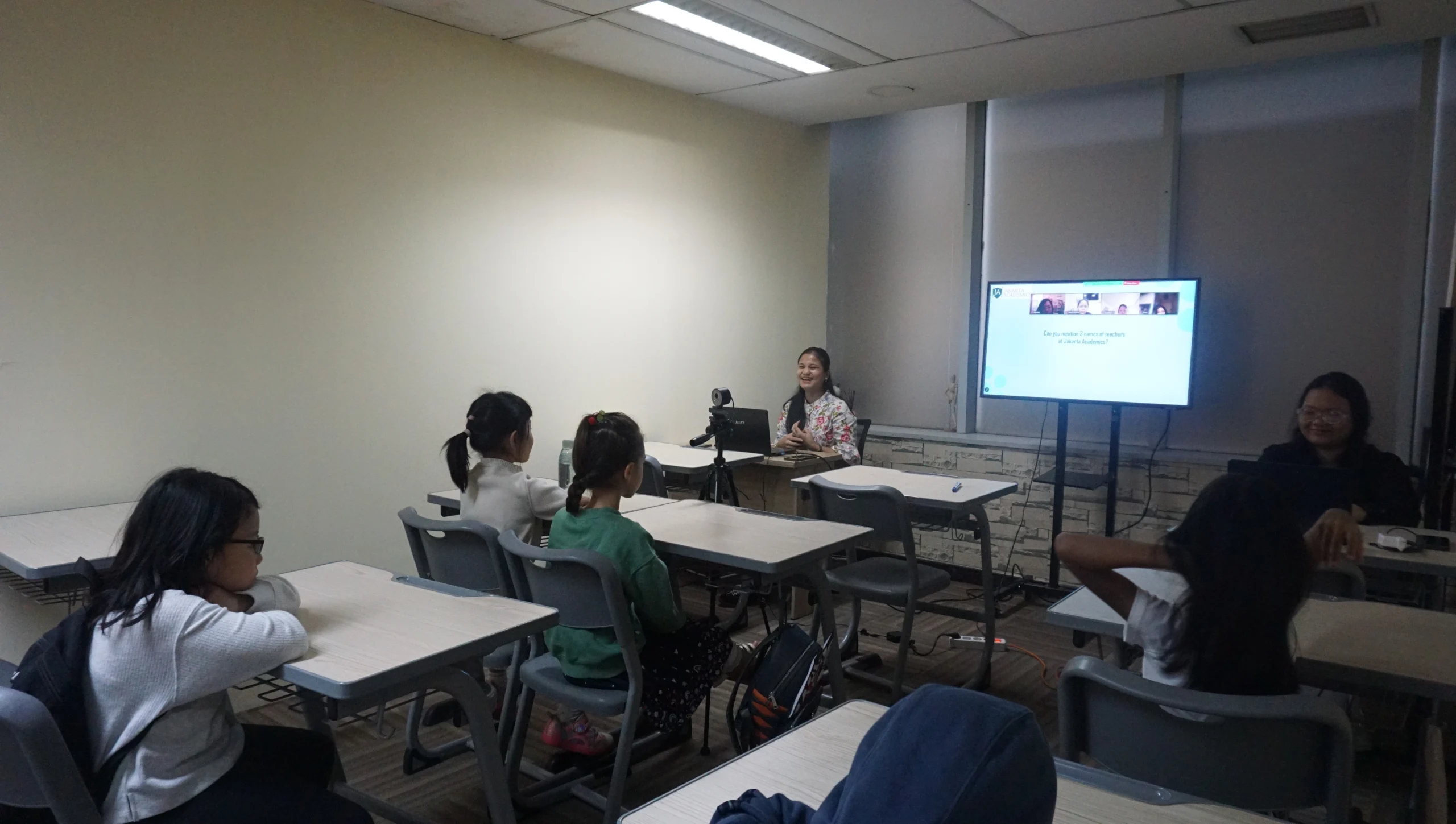
In certain circumstances, online learning support can help children stay connected with their education when they cannot physically attend school.

Where online classes are available and arranged with the school, students may be able to join lessons remotely. Learning materials and selected assignments can also help them continue working on topics covered in class.

With clear guidance, children do not necessarily have to wait until they return to school to begin catching up on everything they missed.

Of course, not every activity can be completed online. Some lessons, assessments, and practical activities may still require students to attend school in person. This is why discussing travel plans with the school in advance is important.

The goal is not to replace the classroom entirely. It is to help maintain continuity in learning when a student is unable to attend in person.

Flexibility Doesn’t Mean Academics Come Second

One concern parents may have about flexible learning is whether their children will still make consistent academic progress.

It is a fair question. Children still need structure, clear learning goals, and guidance to build their understanding step by step. That is why flexibility works best when it is supported by proper planning.

Before travelling, parents can discuss the upcoming schedule with the school, including the topics being covered, assignments that need to be completed, and any activities that may need to be followed up on after the child returns.

This gives children a clearer idea of what they need to do without making every family holiday feel like an extension of the school week.

It can also help children gradually develop responsibility. They learn to manage their time, complete tasks, and return to their learning routine after a change in schedule.

Ultimately, the goal is not simply to have a flexible timetable. It is to help children continue learning in a structured way, even when family circumstances change.

Why Personalised Learning Matters for Travelling Families

Every child learns differently. Some children pick up new concepts quickly but need more support with written assignments. Others are academically capable but need guidance to stay organised and manage their time.

When children miss a few days of school, these differences become even more important.

A child who is already confident working independently may be comfortable completing assignments on their own. Another child may need clearer guidance about which topics to prioritise and what to do next. This is where personalised learning can make a difference.

Teachers can pay closer attention to each student’s progress, strengths, and learning needs. This helps parents understand what their child has already mastered, which areas may need more attention, and what should be followed up on after returning to school.

It is also one reason some families consider an international microschool in Bali with smaller classes.

In a smaller learning environment, teachers have more opportunities to get to know their students personally. However, class size alone is not what matters most. The real value comes from how teachers use that individual attention to support each child’s development.

Travelling Can Be a Learning Experience, Too

Beyond keeping up with schoolwork, travelling gives children opportunities to learn from real-life experiences.

They might visit a museum, discover a historical landmark, try local food, or meet people from different backgrounds.

Even everyday experiences can spark curiosity. Visiting a local market can introduce children to numbers and different currencies. Exploring a new country may encourage an interest in geography, history, or the environment. Being surrounded by another language can also help children develop a greater appreciation for different cultures.

These experiences do not replace academic learning, but they can complement what children learn in school and help them see how knowledge connects to everyday life.

For parents, that is one of the rewarding parts of travelling with children. They are not simply visiting new places; they are also learning to become more independent, curious, and open to different perspectives.

With the right planning, these experiences can go hand in hand with a structured education.

How JA School Bali Supports Personalised Learning

At JA School Bali, we understand that every family has different routines, priorities, and educational goals. Some families live in Bali throughout the year, while others have travel commitments because of work or family circumstances.

Located in Renon, Denpasar, JA School Bali is an international microschool offering Primary, Secondary, and High School education through the Pearson Edexcel International Curriculum.

Our approach focuses on smaller classes, an English-speaking environment, and personalised learning so that students can receive support that reflects their individual needs.

For families planning a trip, or when a student is unable to attend school in person, parents can discuss their circumstances with the school. Depending on the student’s needs, the topics being studied, and the arrangements available, learning support can be planned to help the student continue making academic progress.

Where online classes can be arranged, students may be able to join lessons remotely under the school’s applicable arrangements. Learning materials and selected assignments can also form part of a learning plan while they are away.

After returning to school, any outstanding work or topics that need further attention can be discussed with the teacher. This does not mean that every part of the school programme can be completed remotely. Classroom attendance, direct interaction with teachers, and certain academic activities remain important parts of a child’s education.

The aim is to find a balance between family flexibility and students’ academic development, supported by communication between parents and the school.

What Should You Ask When Choosing an International School in Bali?

If your family has a busy or unpredictable travel schedule, there are a few useful questions to ask when visiting a school.

How does the school handle planned absences? Can students attend online classes when they cannot be physically present? Are learning materials and assignments available to help them continue studying? And how do teachers support students who need to catch up after returning?

The answers can help you understand whether a school’s approach suits your family’s needs.

It is also important to understand the school’s arrangements and limitations. Not every school offers the same level of flexibility, and learning plans may depend on the academic schedule and the individual student’s circumstances.

Discussing these details early can help parents plan their travels with greater confidence while keeping their child’s education in focus.

An Education That Supports Both Learning and Family Life

Choosing a school is about more than finding a good place for your child to study. For families who travel regularly, another question matters: can the school help your child continue learning when your family’s routine changes?

Children still need a clear curriculum, supportive teachers, and meaningful academic goals. But they also need opportunities to explore the world, spend time with family, and grow through new experiences.

The two do not always have to compete.

With good communication, thoughtful learning plans, and appropriate guidance, families can work towards a balance between travel, everyday life, and education.

Because a good education is not only about completing lessons. It is also about helping children continue learning, growing, and understanding the world around them.

If you are looking for an international school in Bali that values personalised learning and want to explore how your family’s travel needs might be accommodated, visiting JA School Bali could be a helpful first step.
Recent Post

Hybrid School for High School: 7 Questions Parents Should Ask Before Enrolling

Choosing a high school is hard enough. Adding one more variable, the hybrid format, leaves many parents unsure. Will my child stay focused without a teacher in the room every day? Will they keep their friendships? Will they still be ready for university? Those are fair questions, and the answers depend far more on how a particular school runs its hybrid model than on the word “hybrid” itself. This guide gives you seven questions to ask, what a good answer sounds like, and the warning signs to watch for.

Is a Hybrid School a Good Fit for High School Students?

High school is where a hybrid format can help most, and where it can go wrong fastest. Teenagers are ready for more independence, and many have commitments outside class: sport, arts, projects, part-time work or exam preparation. A hybrid schedule gives them room for those. At the same time, the workload is heavier, the stakes for grades and university applications are higher, and a student who quietly falls behind online can lose months before anyone notices.

That is why the support system matters more than the format. A hybrid high school works well when three things are in place: a clear weekly structure, a named adult who tracks each student’s progress, and campus days that do things online learning cannot.

1. How Much Time Is In Person and How Much Is Online?

Ask for a real weekly timetable, not just the word “flexible”. Find out which days students come to campus, how many hours are live online lessons (synchronous), and how many are independent study (asynchronous). A mature school can show a sample week for Grades 10, 11 and 12.

A good answer: specific days, hours and a worked example. A warning sign: “It depends on the student” with no default schedule.

2. Who Teaches on the Non-Campus Days?

Some hybrid schools expect parents to run lessons at home using school materials. Others have teachers lead live sessions online. For high school subjects such as mathematics, sciences and languages, most families cannot act as subject teachers, so this question decides how much pressure lands on you.

A good answer: qualified teachers deliver live or closely guided lessons. A warning sign: students mostly watch recordings and submit work with little feedback.

3. Which Curriculum and Diploma Does It Use, and Is the School Licensed?

Make sure it is clear which curriculum is taught (national, international or mixed), what operating permit the school holds, and how its diploma or certificate is recognised. If your child plans to study abroad, ask which universities have accepted past graduates and what the school does to prepare applications.

A good answer: written details of permit, curriculum and recognition. A warning sign: vague claims such as “globally recognised” with no names.

4. Who Supports My Child During Online Learning?

Online learning without a mentor is the biggest weak point of hybrid schooling. Ask whether each student has a homeroom teacher or mentor, how often progress is reviewed, what happens when a student starts falling behind, and how large the groups and classes are. Hybrid campus classes at some schools run from roughly 8 to 15 students per teacher; smaller is generally better for students who need attention.

A good answer: a named mentor, regular check-ins and an intervention plan. A warning sign: students are expected to self-manage entirely.

5. How Does the School Monitor and Report Progress?

Find out whether parents get a dashboard or regular reports, how attendance in online sessions is recorded, and how quickly the school contacts you when it sees warning signs such as missed sessions or late work.

A good answer: weekly or fortnightly updates and a clear escalation path. A warning sign: you only hear from the school at the end of term.

6. What Happens on Campus, and What About Friends and Activities?

In-person time should be high value: discussion, practicals, projects, presentations and social activities. If campus days are just lectures that could be streamed, the hybrid format is not being used well. Also ask about clubs, student events and how the school makes students on fewer campus days feel part of a community. Friendships and character-building matter at this age.

A good answer: a calendar of activities and examples of student projects. A warning sign: campus days feel like an optional extra.

7. Where Do Graduates Go Next, and What Does It All Cost?

Ask for a picture of graduate pathways: universities in Indonesia, universities abroad, preparation programs or work. A confident school explains its pathways clearly and honestly, including that the final admission decision rests with each university. Then ask for the total cost in writing: tuition, registration, platform fees, exams, materials and any extra mentoring.

A good answer: named destinations, honest limits, and a written fee schedule. A warning sign: promises of guaranteed admission, or fees that are hard to pin down.

Quick Reference: What to Look For

Question Strong signal Red flag
Timetable Sample weeks for each grade No default schedule
Teaching on home days Qualified teachers, live or guided Recordings with minimal feedback
Licence and diploma Permit and recognition in writing Vague “globally recognised” claims
Support Named mentor, intervention plan Self-management only
Reporting Regular updates, clear escalation Updates only at term end
Campus life Projects, clubs, events Lectures that could be online
Outcomes and fees Named destinations, written fees Guarantees, unclear costs

Questions to Ask Your Child

  • Do you prefer to work alone or with others? How do you handle deadlines when nobody is watching?
  • What would you want to do with the time a hybrid schedule frees up?
  • What would make you nervous about learning online some days?

A hybrid school works best when the student is part of the decision.

A Simple Trial-Week Checklist

  • Visit the campus on a normal day, not only an open house.
  • Ask to sit in on one in-person class and one online session, or to see a demo of the platform.
  • Talk to a current parent and, if possible, a current student.
  • Read a sample progress report.
  • Ask what happens if the format does not suit your child: can they move to a more structured schedule?

Tips for Parents

  • Compare at least two schools with the same list of questions.
  • Check the school’s permit and curriculum yourself rather than relying on brochures.
  • Plan home days: where will your child study, and who is available if they get stuck?
  • Review progress in the first term and ask for adjustments early.

FAQ

Can a child who is not very independent succeed in a hybrid school? Yes, if the school offers strong mentoring and a clear daily structure. Independence can be built gradually, but a school that expects it from day one is a risk.

Is a hybrid school good preparation for university? The format trains time management and independent study, which universities rely on. How well it fits still depends on the curriculum and the school’s support.

How many days should be on campus in high school? There is no single right number. Many hybrid schools use two to four campus days a week. Choose the pattern that gives your child enough structure and enough support.

What should I do if my child falls behind? Ask for a meeting with the mentor immediately, agree a catch-up plan, and ask whether the school can increase campus days or tutoring for a while.

How do I judge the quality of a hybrid school? Look at the real timetable, who teaches on home days, the quality of support, the monitoring system, campus activities and how transparent fees are.

Want to talk about which learning format suits your child? Book a consultation with the Jakarta Academics admissions team.

What Is a Hybrid School?

What Is a Hybrid School? Meaning, Models, Benefits and How to Choose One

Ask five schools what “hybrid” means and you may get five different answers. For some, it is a pandemic-era rota of classroom days and video calls. For others, it is a carefully designed school week in which students attend campus part of the time and learn online, with teacher support, the rest. This guide explains what a hybrid school really is, the main models, what a typical week looks like, who benefits, and what to ask before you enrol. It is written for families in Indonesia, with examples from schools around the world.

What Is a Hybrid School?

A hybrid school is a school that combines in-person learning on campus with structured online or at-home learning, instead of asking students to be on campus five days a week. What separates it from homeschooling is that students are formally enrolled in a school that provides the curriculum, the teaching and the grading.

The idea is close to hybrid learning, the mix of face-to-face and online teaching. The difference is scope. Hybrid learning is a method a teacher can use in one class. A hybrid school is a whole school model: the timetable, curriculum, learning platform and student support are all built around a mixed format from day one.

Some education writers also separate hybrid (live online lessons plus in-person days at fixed times) from blended (a mix of live and self-paced study). In practice schools use the words loosely, so judge a school by its timetable, not its label.

The Two Main Hybrid School Models

Not all hybrid schools work the same way. Two models are common:

  • Parent-supported home days. Students attend campus two to four days a week. On the other days they follow school-set assignments, pacing guides or recorded lessons, often with a parent acting as co-teacher. This model is common among homeschool-partnership schools in the United States.
  • Teacher-led on every day. Teachers deliver instruction on campus and also run live sessions online on the remaining days. Families are not expected to teach, which matters for working parents or families without subject expertise.

Neither model is automatically better. The right one depends on how much support your child needs and how much time your family can give. Always ask who teaches on the non-campus days.

How Does a Hybrid School Work?

Whatever the model, a well-run hybrid school has three connected parts:

  • In-person sessions. Campus time is for what works best together: discussion, practicals, group projects, presentations, teacher consultations and social activities.
  • Online learning. Students use a learning management system (LMS) to reach lessons, videos and exercises. Some sessions are live with a teacher (synchronous). Others are done at the student’s own pace (asynchronous).
  • Support and assessment. Teachers or mentors monitor progress, give feedback and adjust workload for each student.

The three parts must connect. If online learning is just “assignments uploaded to a portal”, with no live teaching or follow-up, it quickly becomes learning without direction.

What a Hybrid School Week Might Look Like

The example below is illustrative only. Real schedules vary; in the United States, most hybrid students attend in-person classes two to four days a week.

Day Format Typical activities
Monday On campus Core subject classes, labs, group discussion
Tuesday Online Live lesson in the morning, independent practice in the afternoon
Wednesday On campus Projects, presentations, mentor check-in
Thursday Online Self-paced modules, assignments, small-group video session
Friday Flexible Clubs, tutoring, catch-up or enrichment

Hybrid School vs Online School vs Homeschooling vs Traditional School

Aspect Hybrid school Fully online school Homeschooling Traditional school
Where learning happens Campus + online Entirely online Home / community Campus
In-person interaction Scheduled, structured Minimal Depends on the family Every day
Who provides the curriculum The school The school Usually the family The school
Time flexibility Medium to high High High Low
Teacher support Regular Through the screen Parents / tutors Regular
Best for Students who need structure and flexibility Very self-driven students Families ready to manage everything Students comfortable with a fixed routine

Benefits of a Hybrid School

  1. Flexibility in time and place. Students who train in sport, pursue the arts or run projects can fit academics around those commitments. In a 2025 US survey reported by GreatSchools, one-third of parents said they would prefer a schedule that includes one to four days of at-home learning.
  2. More personal pacing. Students can revisit difficult material and move faster on topics they have mastered. This depends on how the school is designed, not on the hybrid format alone.
  3. Independence. Managing a schedule and finishing work without constant supervision is a skill universities and employers expect.
  4. Social contact is kept. Campus days preserve friendships, teacher relationships and school community.
  5. Digital fluency. Students get used to online platforms and remote collaboration during high school.
  6. A bridge for some students. A hybrid schedule can help students who find a five-day week overwhelming rebuild routine and confidence gradually.

Challenges and Limits

A hybrid school is not right for every child. Reviews of hybrid learning point to loosely structured days, material piling up when students procrastinate, and dependence on devices. Research on US hybrid schools by Kennesaw State University found wide variation in practice, which suggests that how personal and rigorous a hybrid school is depends on its philosophy, curriculum and how home days are structured. That is why the quality of support and monitoring separates a good hybrid school from a careless one.

Who Is a Hybrid School Right For?

  • Students who are fairly independent, or willing to be coached toward independence.
  • Families who want flexibility without losing the structure and accountability of a school.
  • Students with demanding outside commitments, such as athletes, performers or entrepreneurs.
  • Students who want to practise a university style of learning before they get there.
  • Families who have been homeschooling and now want more structure and peer interaction.

Students who struggle to work without supervision, or whose families cannot provide any support on home days, should look for a teacher-led model or a conventional school.

Is a Hybrid School Legitimate? Licence, Curriculum and Diploma

A hybrid format says nothing about quality or recognition. Before you enrol, ask the school for its operating permit, which curriculum it teaches (national, international or mixed), how students are assessed, and how its diploma or certificate is recognised by universities in Indonesia and abroad. If your child plans to study overseas, ask which universities have accepted past graduates.

How Much Does a Hybrid School Cost?

Fees vary widely by country and by how much teaching the school provides. A 2022 national survey of US hybrid schools found an average annual tuition of about US$4,158, well below typical private school fees, but those schools were mostly parent-supported models for younger children. Teacher-led programmes with small classes usually cost more. In Indonesia, compare the total yearly cost, including registration, platform, exams and materials, not just the headline tuition.

Quick Checklist Before You Choose

  1. Who teaches on the non-campus days, and how are those sessions run?
  2. How many days are on campus, and what happens there?
  3. Who monitors progress, and how are parents informed?
  4. What licence, curriculum and diploma does the school offer?
  5. What is the total cost, in writing?
  6. Can your child attend a trial day or see a demo of the platform?

FAQ

What is the difference between a hybrid school and hybrid learning? Hybrid learning is a teaching method that combines in-person and online study. A hybrid school is a school whose whole system is designed around that method.

Is a hybrid school the same as an online school? No. A hybrid school has scheduled in-person sessions on campus, while an online school runs entirely online.

Is a hybrid school the same as homeschooling? No. In a hybrid school the school provides the curriculum, teaching and grading. In homeschooling the family usually takes that role.

How many days are usually on campus? It varies. In the United States, most hybrid students attend two to four days a week. Always check the actual timetable.

Is a hybrid school diploma recognised? It depends on the school’s licence and curriculum. Ask the school for its permit and graduate pathways.

Want to see how a hybrid school works in practice? Contact the Jakarta Academics admissions team for a campus visit or consultation.

Homeschooling vs Online School vs Hybrid School in Indonesia: What’s the Difference?

Homeschooling (sekolah di rumah) organises learning mainly outside a conventional school, often with parents or tutors in charge. Online school delivers a school-managed programme through live or recorded digital lessons. Hybrid school combines online lessons with face-to-face classes on campus. The right choice depends on how much structure, flexibility, and in-person interaction your child needs.

Choosing the right education for your child can feel overwhelming. Parents in Indonesia are no longer limited to traditional schools: homeschooling, online school, and hybrid school have all become real alternatives.

In this guide, we explain how each model works, compare their advantages and challenges, share what to ask before enrolling, and help you decide which pathway fits your child.

Why Are Parents Exploring Different Schooling Options?

Traditional schools remain an excellent choice for many students. A structured timetable, regular classroom interaction, and established programmes provide a strong foundation for learning.

However, some families need something different. A student who competes in sports may need more time for training. A family that travels often may prefer learning that does not depend on daily campus attendance. Other students benefit from smaller classes, extra academic support, or a schedule that suits them better.

The important question is not which model is universally better. It is which learning environment gives your child the right mix of academic quality, structure, flexibility, and support.

What Is Homeschooling (Sekolah Rumah)?

Homeschooling is an education model in which a child’s learning is organised primarily outside a conventional school setting, often under the responsibility of parents or guardians. Families may use independent study, private tutors, online resources, or a homeschooling provider. It can follow a national or international curriculum, depending on the programme and the family’s goals.

How Does Homeschooling Work?

There is no single format. Some families organise everything themselves, while others work with providers that offer structured lessons, assessments, and academic guidance. A typical arrangement may include:

  • A learning plan based on the student’s goals.
  • Lessons with parents, tutors, or teachers.
  • Independent study and assignments.
  • Regular assessments to monitor progress.
  • Extracurricular activities and social opportunities.

Before choosing, clarify who is responsible for curriculum planning, assessment, academic monitoring, and examination arrangements. If you want flexibility but also consistent guidance, a structured homeschooling programme in Jakarta and Bali may be worth considering.

Benefits of Homeschooling

  1. Greater flexibility: families may have more control over when and where learning happens.
  2. A learning approach suited to the student: activities can match the student’s interests, pace, and needs.
  3. More room for other interests: sports, arts, music, or entrepreneurship can fit alongside studies.
  4. Greater family involvement: parents can take an active role in their child’s progress.

Challenges of Homeschooling

Parents may need to invest significant time in organising lessons, monitoring progress, and finding resources. Students also need deliberate opportunities to build friendships and take part in group activities.

What Is an Online School?

An online school delivers education primarily through digital platforms. Students attend live virtual classes, complete assignments online, access learning resources, and communicate with teachers remotely. Compared with independent homeschooling, an online school generally offers a more structured, school-managed programme, although the level of structure varies by provider.

How Does Online School Work?

A typical programme may include scheduled live lessons, digital materials and assignments, online discussions, regular assessments and progress reports, and academic guidance from teachers.

Before enrolling, find out whether lessons are live, recorded, or a mix of both. Also ask about the curriculum, assessment system, teacher qualifications, and arrangements for formal examinations.

Benefits of Online Schooling

  1. Location flexibility: students can learn from home or another suitable place, subject to school requirements.
  2. Structured academic support: timetables, teaching plans, assignments, and assessments help students stay on track.
  3. Access to different programmes: families can reach programmes that may not be available locally.
  4. Less daily commuting: especially valuable in congested cities such as Jakarta.

Challenges of Online Schooling

Online learning needs reliable internet, suitable devices, and a space where students can concentrate. Some students need extra support with motivation, screen time, and engagement. Ask how the school encourages collaboration and peer relationships beyond the screen.

What Is a Hybrid School?

A hybrid school combines online and face-to-face learning within one structured programme. Students may attend campus on selected days and complete other lessons online, or combine online academic lessons with onsite activities, mentoring, and group learning. The aim is to pair the convenience of remote learning with the benefits of in-person interaction.

Hybrid models vary, so check how much teaching takes place online, how often students attend campus, and whether attendance is fixed or flexible. If you are exploring this option in Jakarta or Bali, you can see how hybrid and small-group learning formats are structured at one provider.

How Does Hybrid School Work?

A hybrid school may offer live online lessons, face-to-face classes, small-group sessions, online assignments and independent study, and onsite activities with peers. For example, a student might attend onsite lessons for selected subjects while joining other classes online. Another programme may use a regular campus schedule with online learning built into the timetable.

Benefits of Hybrid Schooling

  1. A balance of flexibility and structure: online convenience plus direct, in-person teaching.
  2. Face-to-face interaction: onsite classes help students build relationships and practise communication.
  3. Multiple learning environments: digital learning and classroom experience in one programme.
  4. Potentially more adaptable routines: useful for students balancing study with other commitments.

Challenges of Hybrid Schooling

Students must manage online assignments alongside onsite lessons, and families need to understand the timetable, attendance expectations, and communication procedures. Make sure online and in-person lessons are coordinated rather than feeling like two disconnected experiences.

Homeschooling vs Online School vs Hybrid School: Key Differences

Comparison Homeschooling Online School Hybrid School
Main learning environment Home or another chosen setting Primarily online Online and onsite
Academic structure Depends on the family or provider Usually provided by the school Usually provided by the school
Teacher interaction Depends on the arrangement Mainly virtual Virtual and face-to-face
Schedule flexibility Can be high Varies by programme Varies by programme
Social interaction Organised by the family or provider Virtual and offline activities Onsite classes and activities
Parent involvement May be substantial Depends on age and programme Depends on age and programme
Best for Families who want maximum control over pace and schedule Students who are self-motivated and need location flexibility Students who want flexibility but also regular in-person contact

The main distinction is how responsibility, teaching, and learning environments are organised. Homeschooling offers considerable flexibility but may require parents to take a more active role. Online school provides a structured programme without regular campus attendance. Hybrid school combines remote learning with face-to-face teaching.

None of these models guarantees better academic outcomes by itself. Teaching quality, curriculum, student support, and the suitability of the environment all matter.

What About Costs?

Costs vary considerably between providers. Factors include tuition, curriculum materials, tutoring, examination fees, learning devices, internet access, transportation, and extracurricular activities.

Homeschooling may involve costs for tutors, resources, and assessments. Online school fees may cover teaching and digital platforms, while hybrid fees may also reflect onsite facilities. It is not accurate to assume homeschooling is always cheaper or hybrid always more expensive.

When comparing programmes, ask for a full breakdown of tuition and additional fees, and compare the whole academic pathway rather than tuition alone. For families pursuing international qualifications, confirm whether examination fees and preparation classes are included.

Which Schooling Option Is Right for Your Child?

Use these five questions to evaluate your options.

1. How Much Structure Does Your Child Need?

Some students manage independent study well. Others need regular timetables, teacher supervision, and clear milestones. If your child needs consistent structure, look for defined learning goals, regular assessments, and accessible teacher support.

2. How Important Is Face-to-Face Interaction?

If regular in-person contact matters, a hybrid programme with meaningful onsite lessons may suit best. If your child is comfortable learning remotely, an online programme can work, provided it offers academic and social support.

3. Does Your Family Need a Flexible Schedule?

Travel, sports training, and artistic commitments are common reasons families look for flexibility. But flexibility should not mean an absence of academic expectations. Ask how the programme monitors progress.

4. What Curriculum and Qualifications Does the Programme Offer?

This matters most for future university applications. Ask whether the programme follows the Indonesian national curriculum, an international curriculum, or another framework. If your child plans to take International GCSEs or International A Levels, confirm the examination arrangements and the provider’s status. Do not assume all providers offer the same qualifications.

5. How Does the School Support Academic Progress?

Ask how teachers identify learning gaps, communicate with parents, assess performance, and help students who struggle. A good programme has a clear approach to monitoring rather than leaving students to manage everything alone.

Which Option Is Better for International Education?

For families seeking international education, the learning format is only one part of the decision. Curriculum, teaching quality, assessment arrangements, and available qualifications matter just as much. A student can pursue international education through different arrangements, so what matters is understanding exactly what the provider offers.

For example, families considering a British curriculum pathway should ask which subjects are available, how students prepare for examinations, and whether the provider has the appropriate status for the services it offers. You can read more about international homeschooling options before comparing providers.

Students planning to attend university should research entry requirements for their intended courses and destinations. Admission depends on the qualifications achieved and each institution’s requirements. No learning model guarantees admission.

How Jakarta Academics Supports Flexible International Learning

At Jakarta Academics (JA), we recognise that students do not all learn in the same way. Some prefer online lessons, others thrive in a physical classroom, and some families want a combination.

JA offers different learning formats in Jakarta and Bali, including online, onsite small-group learning, and hybrid learning. The available arrangement depends on the programme and the student’s needs. Our approach combines academic guidance, small-group learning, and international curriculum pathways, including Pearson Edexcel programmes.

[Add a short, real example here, such as a Jakarta family whose student combined sports training with a hybrid timetable. Use only details you can confirm.]

Explore the learning options available at Jakarta Academics:

Frequently Asked Questions

Is homeschooling the same as online school?

No. Homeschooling organises learning primarily outside a conventional school, often led by parents or guardians. Online school delivers education through a digital platform and generally provides a school-managed programme. Some homeschooling arrangements also use online lessons.

Is hybrid school better than online school?

Not necessarily. Hybrid combines online and onsite learning, while online school relies mainly on virtual instruction. Hybrid may suit students who benefit from face-to-face interaction, but the right choice depends on teaching quality, student needs, and programme design.

Can children socialise while homeschooling?

Yes. Homeschooled students can build friendships through extracurricular activities, sports, community groups, learning centres, and organised events. Plan for regular opportunities to interact with other children.

Is online school suitable for primary school students?

It can be, if the programme offers age-appropriate instruction, teacher support, and supervision. Younger children usually need more help with routines, concentration, and independent learning.

Can students from homeschooling or online school attend university?

Potentially, yes. Eligibility depends on the qualifications obtained, the institution’s requirements, the student’s academic record, and admissions rules. Verify these details before choosing a programme.

Is homeschooling (sekolah rumah) legal in Indonesia?

Indonesia recognises home-based education within its education framework, but the requirements and pathways depend on the arrangement. Parents should consult the relevant education authorities and confirm how assessment, equivalency (penyetaraan), and qualifications are handled before enrolling. For official information, see the Ministry of Primary and Secondary Education’s Sekolahrumah programme information.

How do I choose between homeschooling, online school, and hybrid school?

Start with your child’s academic needs, preferred learning environment, schedule, and long-term goals. Then compare programmes by teaching support, curriculum, assessment, costs, and qualifications.

Find the Learning Approach That Fits Your Child

Homeschooling, online school, and hybrid school each organise education differently. The right choice depends on the student, the family’s needs, and the quality of the programme. Look beyond the label and understand what each option actually offers.

Ready to explore your child’s learning options? Contact Jakarta Academics to learn more about programmes in Jakarta and Bali and discuss which arrangement may suit your family.

Explore Jakarta Academics

Disclaimer: Programme availability, curriculum, qualifications, and examination arrangements may vary. Please confirm the current details directly with Jakarta Academics before enrolling.