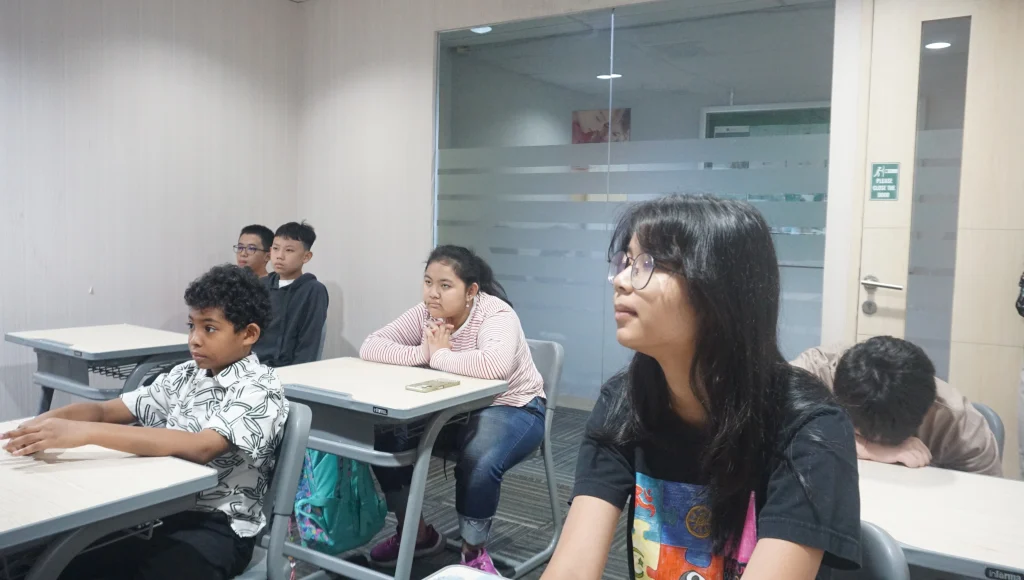
Choosing a high school is hard enough. Adding one more variable, the hybrid format, leaves many parents unsure. Will my child stay focused without a teacher in the room every day? Will they keep their friendships? Will they still be ready for university? Those are fair questions, and the answers depend far more on how a particular school runs its hybrid model than on the word “hybrid” itself. This guide gives you seven questions to ask, what a good answer sounds like, and the warning signs to watch for.
Is a Hybrid School a Good Fit for High School Students?
High school is where a hybrid format can help most, and where it can go wrong fastest. Teenagers are ready for more independence, and many have commitments outside class: sport, arts, projects, part-time work or exam preparation. A hybrid schedule gives them room for those. At the same time, the workload is heavier, the stakes for grades and university applications are higher, and a student who quietly falls behind online can lose months before anyone notices.
That is why the support system matters more than the format. A hybrid high school works well when three things are in place: a clear weekly structure, a named adult who tracks each student’s progress, and campus days that do things online learning cannot.
1. How Much Time Is In Person and How Much Is Online?
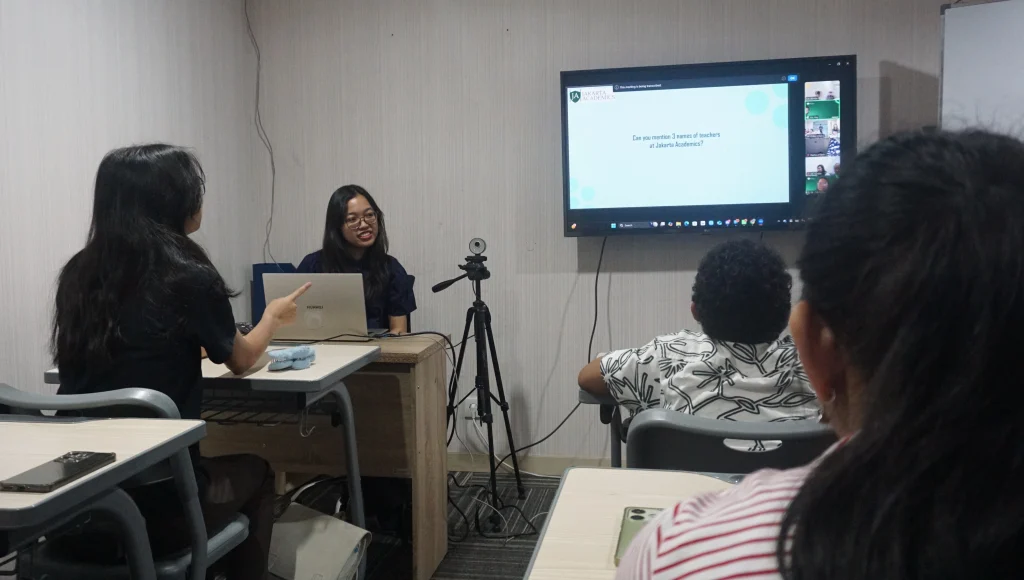
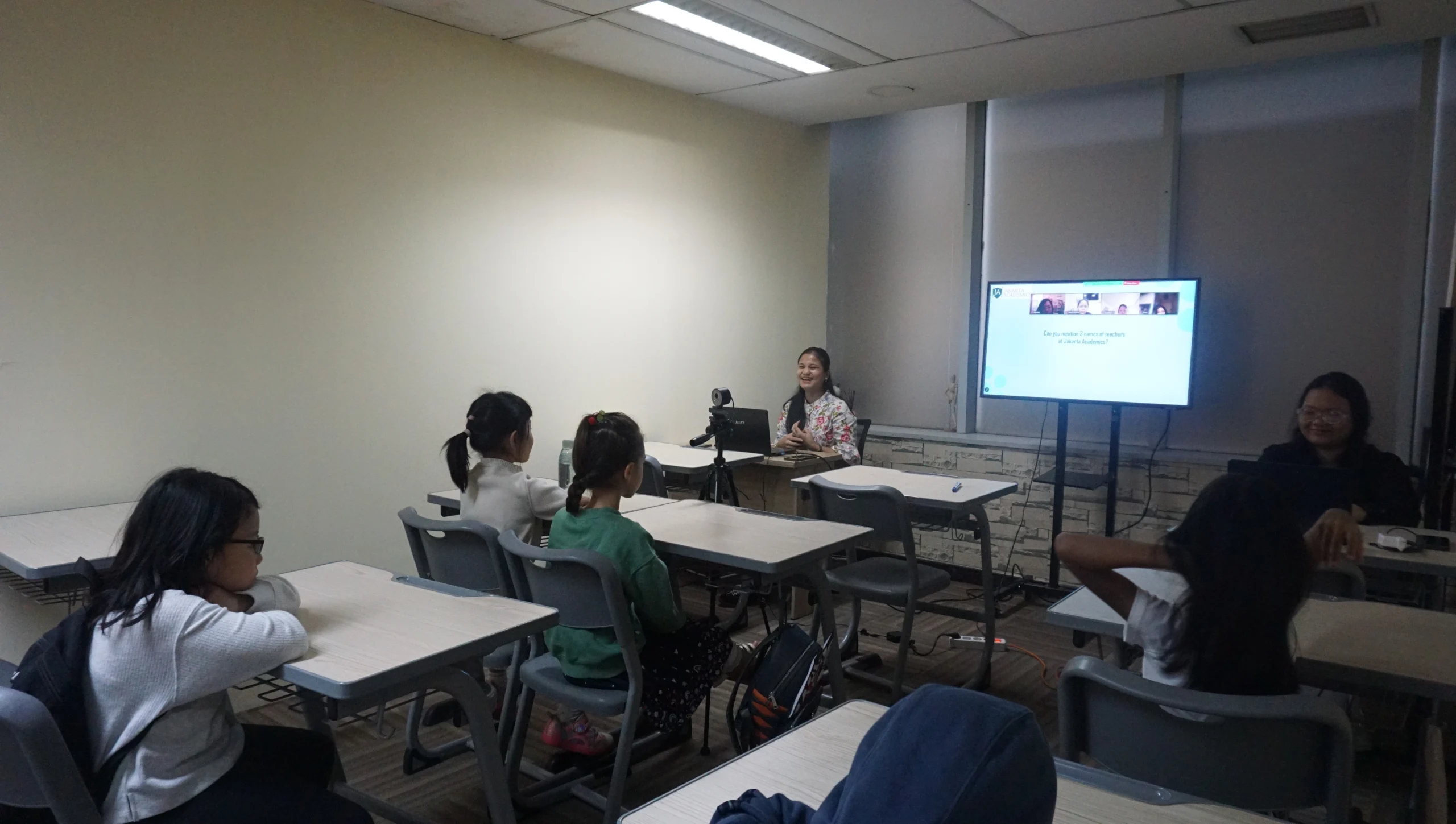
Ask for a real weekly timetable, not just the word “flexible”. Find out which days students come to campus, how many hours are live online lessons (synchronous), and how many are independent study (asynchronous). A mature school can show a sample week for Grades 10, 11 and 12.
A good answer: specific days, hours and a worked example. A warning sign: “It depends on the student” with no default schedule.
2. Who Teaches on the Non-Campus Days?
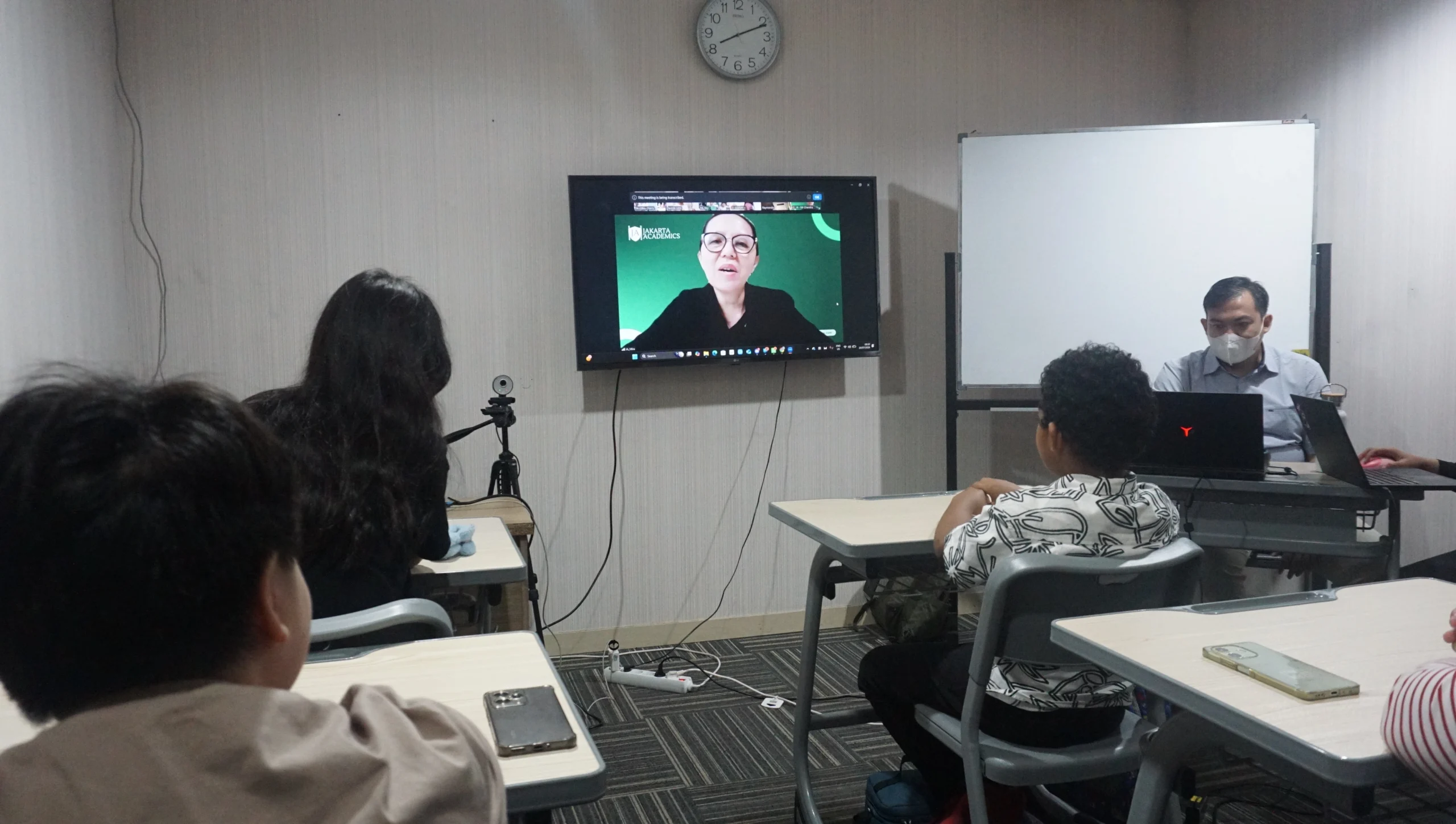
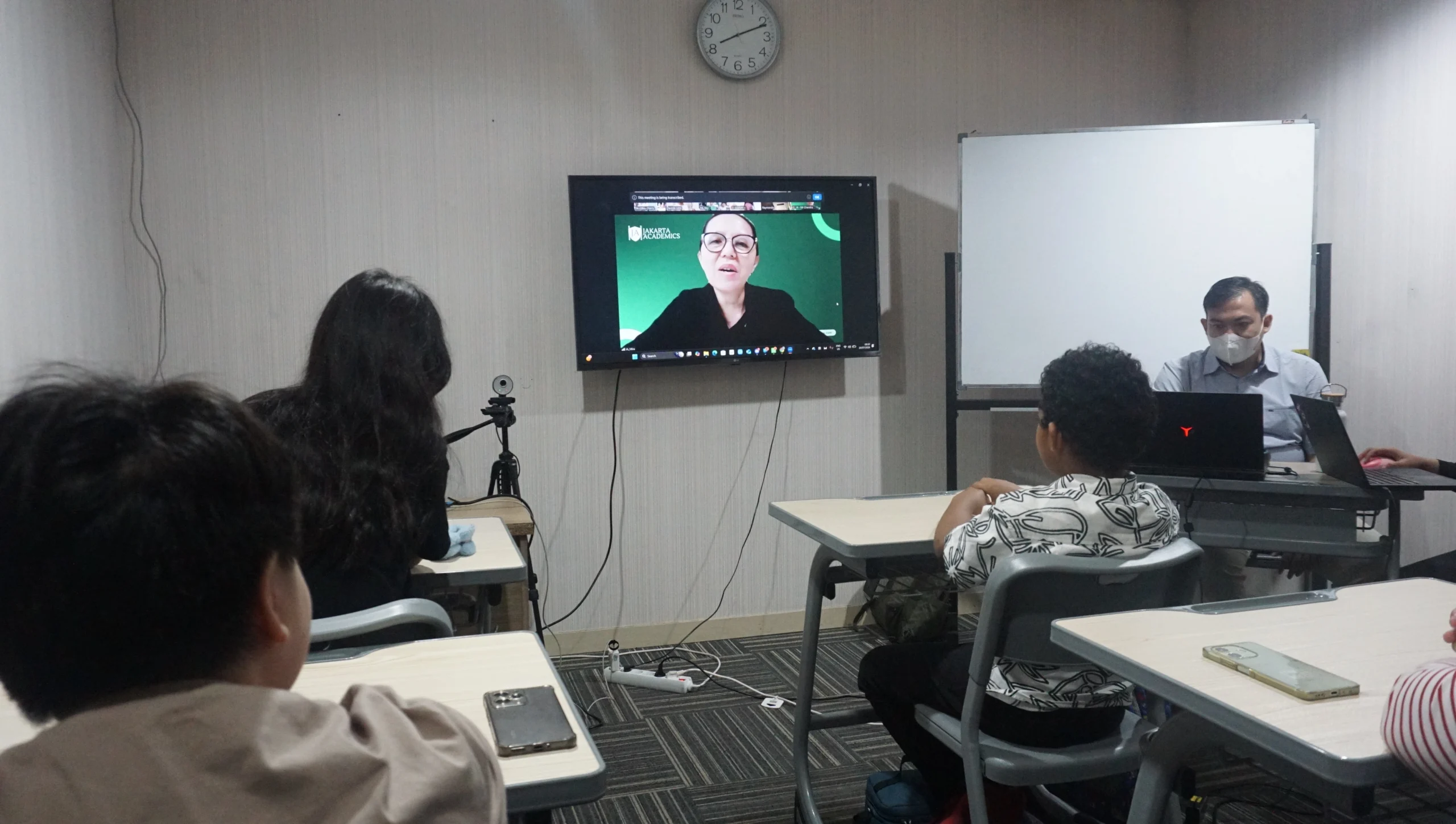
Some hybrid schools expect parents to run lessons at home using school materials. Others have teachers lead live sessions online. For high school subjects such as mathematics, sciences and languages, most families cannot act as subject teachers, so this question decides how much pressure lands on you.
A good answer: qualified teachers deliver live or closely guided lessons. A warning sign: students mostly watch recordings and submit work with little feedback.
3. Which Curriculum and Diploma Does It Use, and Is the School Licensed?
Make sure it is clear which curriculum is taught (national, international or mixed), what operating permit the school holds, and how its diploma or certificate is recognised. If your child plans to study abroad, ask which universities have accepted past graduates and what the school does to prepare applications.
A good answer: written details of permit, curriculum and recognition. A warning sign: vague claims such as “globally recognised” with no names.
4. Who Supports My Child During Online Learning?
Online learning without a mentor is the biggest weak point of hybrid schooling. Ask whether each student has a homeroom teacher or mentor, how often progress is reviewed, what happens when a student starts falling behind, and how large the groups and classes are. Hybrid campus classes at some schools run from roughly 8 to 15 students per teacher; smaller is generally better for students who need attention.
A good answer: a named mentor, regular check-ins and an intervention plan. A warning sign: students are expected to self-manage entirely.
5. How Does the School Monitor and Report Progress?
Find out whether parents get a dashboard or regular reports, how attendance in online sessions is recorded, and how quickly the school contacts you when it sees warning signs such as missed sessions or late work.
A good answer: weekly or fortnightly updates and a clear escalation path. A warning sign: you only hear from the school at the end of term.
6. What Happens on Campus, and What About Friends and Activities?
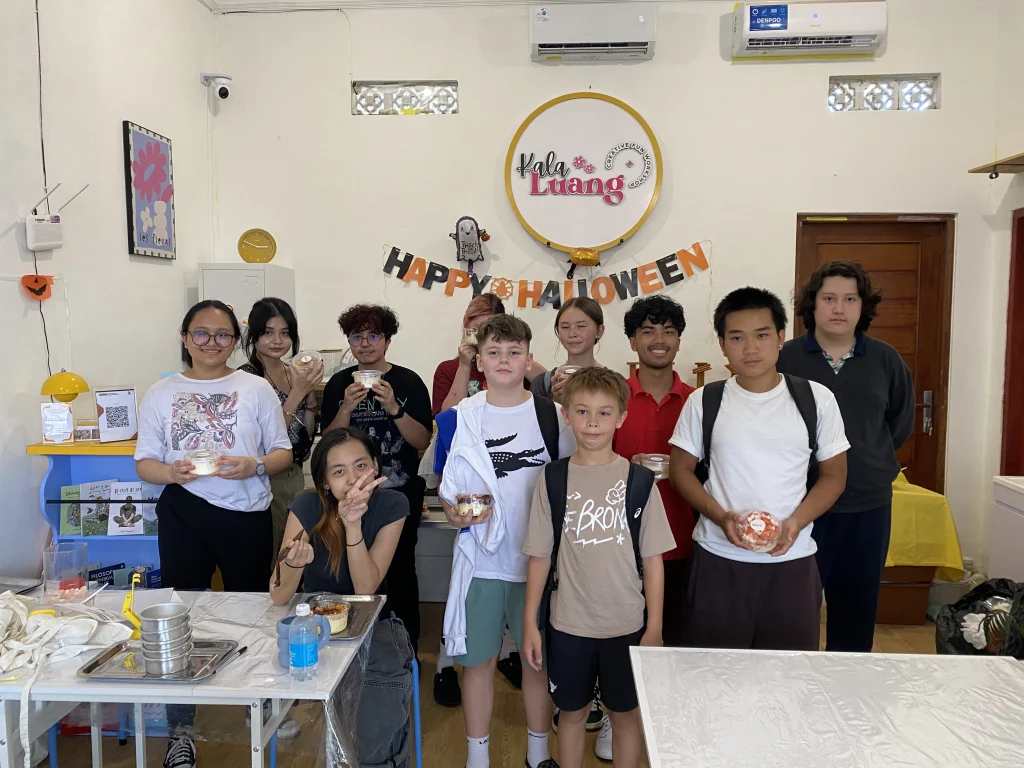
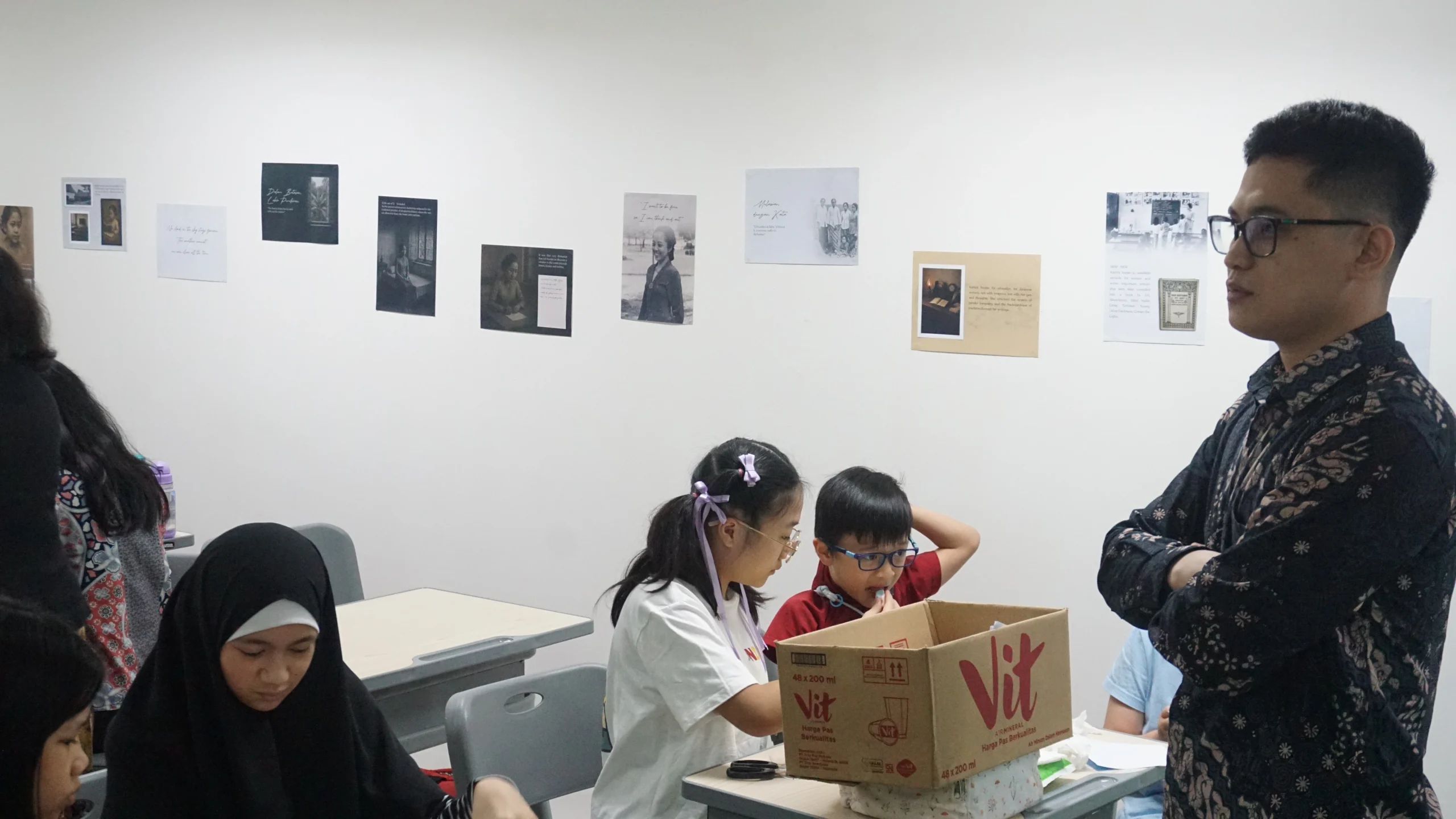
In-person time should be high value: discussion, practicals, projects, presentations and social activities. If campus days are just lectures that could be streamed, the hybrid format is not being used well. Also ask about clubs, student events and how the school makes students on fewer campus days feel part of a community. Friendships and character-building matter at this age.
A good answer: a calendar of activities and examples of student projects. A warning sign: campus days feel like an optional extra.
7. Where Do Graduates Go Next, and What Does It All Cost?
Ask for a picture of graduate pathways: universities in Indonesia, universities abroad, preparation programs or work. A confident school explains its pathways clearly and honestly, including that the final admission decision rests with each university. Then ask for the total cost in writing: tuition, registration, platform fees, exams, materials and any extra mentoring.
A good answer: named destinations, honest limits, and a written fee schedule. A warning sign: promises of guaranteed admission, or fees that are hard to pin down.
Quick Reference: What to Look For
| Question | Strong signal | Red flag |
|---|---|---|
| Timetable | Sample weeks for each grade | No default schedule |
| Teaching on home days | Qualified teachers, live or guided | Recordings with minimal feedback |
| Licence and diploma | Permit and recognition in writing | Vague “globally recognised” claims |
| Support | Named mentor, intervention plan | Self-management only |
| Reporting | Regular updates, clear escalation | Updates only at term end |
| Campus life | Projects, clubs, events | Lectures that could be online |
| Outcomes and fees | Named destinations, written fees | Guarantees, unclear costs |
Questions to Ask Your Child
- Do you prefer to work alone or with others? How do you handle deadlines when nobody is watching?
- What would you want to do with the time a hybrid schedule frees up?
- What would make you nervous about learning online some days?
A hybrid school works best when the student is part of the decision.
A Simple Trial-Week Checklist
- Visit the campus on a normal day, not only an open house.
- Ask to sit in on one in-person class and one online session, or to see a demo of the platform.
- Talk to a current parent and, if possible, a current student.
- Read a sample progress report.
- Ask what happens if the format does not suit your child: can they move to a more structured schedule?
Tips for Parents
- Compare at least two schools with the same list of questions.
- Check the school’s permit and curriculum yourself rather than relying on brochures.
- Plan home days: where will your child study, and who is available if they get stuck?
- Review progress in the first term and ask for adjustments early.
FAQ
Can a child who is not very independent succeed in a hybrid school? Yes, if the school offers strong mentoring and a clear daily structure. Independence can be built gradually, but a school that expects it from day one is a risk.
Is a hybrid school good preparation for university? The format trains time management and independent study, which universities rely on. How well it fits still depends on the curriculum and the school’s support.
How many days should be on campus in high school? There is no single right number. Many hybrid schools use two to four campus days a week. Choose the pattern that gives your child enough structure and enough support.
What should I do if my child falls behind? Ask for a meeting with the mentor immediately, agree a catch-up plan, and ask whether the school can increase campus days or tutoring for a while.
How do I judge the quality of a hybrid school? Look at the real timetable, who teaches on home days, the quality of support, the monitoring system, campus activities and how transparent fees are.
Want to talk about which learning format suits your child? Book a consultation with the Jakarta Academics admissions team.