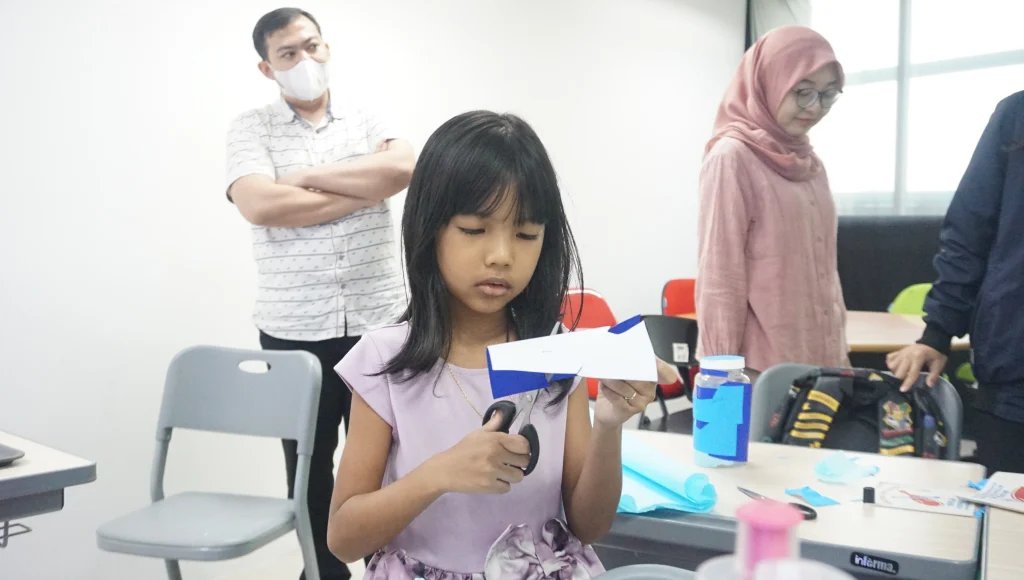
As parents, we all want to give our children the best opportunities, not just academically, but in life. That’s why, after a full day at school, many children still head to piano lessons, art studios, or dance classes.
At first glance, it might seem like “just another activity.” But for many parents, there’s a deeper intention behind it.
Contents
- Because Not All Learning Comes from Textbooks
- Because Improvement Takes Time and That’s Part of The Lesson
- Because Not Everything Can Be Expressed In Words
- Because Confidence Grows Through Creating
- Because The World They’re Growing Into is Changing
- Because They’re Learning To Connect – With Themselves And Others
- Because Childhood Should Feel Balanced
- Interested in Learning More?
Because Not All Learning Comes from Textbooks
While school builds academic foundations, art introduces a different kind of learning. Through painting, music, or movement, children explore ideas, make decisions, and think independently. Studies show that creative activities strengthen problem-solving and critical thinking skills, which helps children approach challenges from different angles, not just memorise answers.
Because Improvement Takes Time and That’s Part of The Lesson
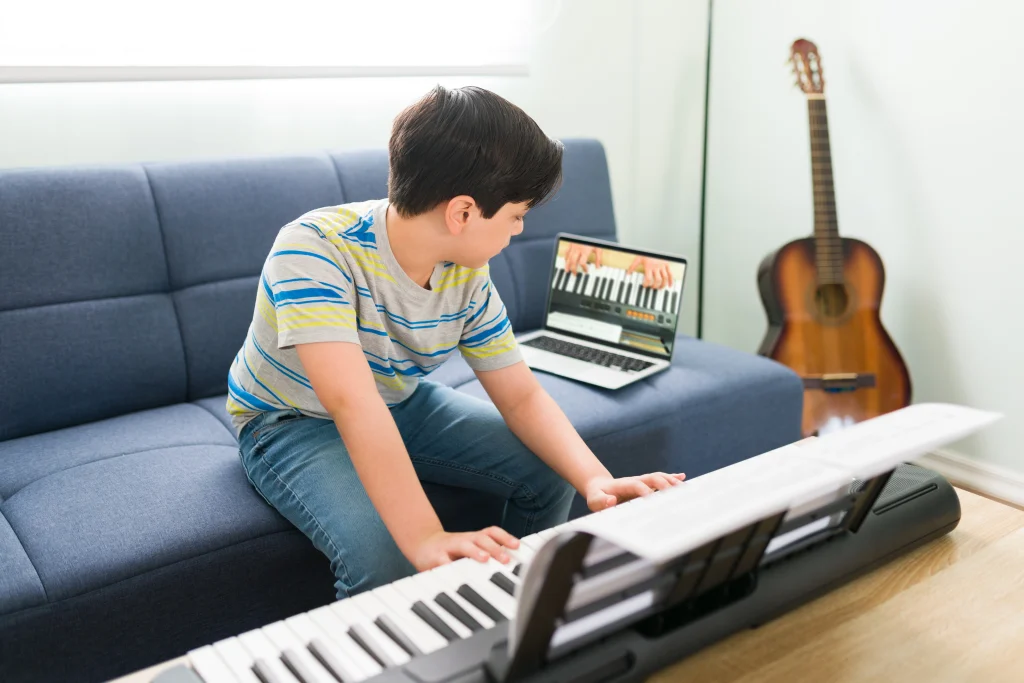
Art quietly teaches patience. Whether it’s practicing a piano piece or finishing a drawing, children learn that progress takes consistency. Research has even linked art education with higher levels of perseverance, children learn to keep going, even when things don’t go perfectly the first time.
Because Not Everything Can Be Expressed In Words
Children don’t always have the vocabulary to express what they feel. Art gives them another language. According to studies in child development, creative expression helps children process emotions, organise their thoughts, and build emotional awareness, which is something essential for their well-being.
Because Confidence Grows Through Creating
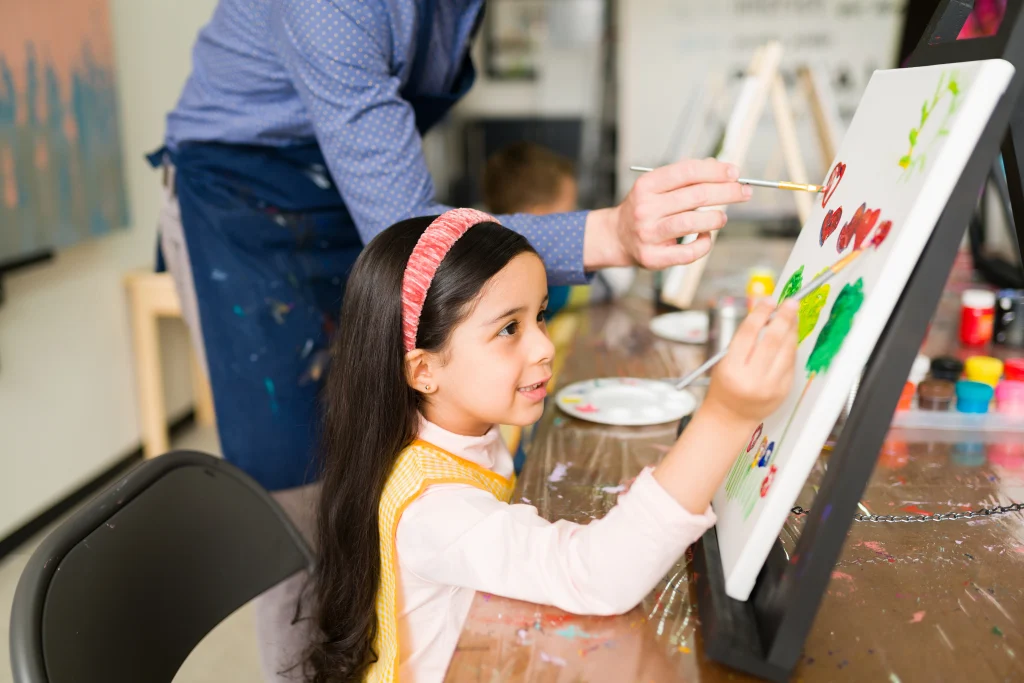
There’s something powerful about finishing a piece of work and saying, “I made this.” In fact, a study by Crayola and YouGov found that 92% of children feel more confident when they engage in creative activities, and many experience a strong sense of pride and accomplishment after completing their projects.
Because The World They’re Growing Into is Changing
Art doesn’t just stay in the art room. Research from institutions like Harvard has shown that children involved in the arts often perform better academically. Skills like pattern recognition, spatial awareness, and focus, which is developed through art, carry over into subjects like math, reading, and science.
Because They’re Learning To Connect – With Themselves And Others
In art classes, children don’t just create, they share, collaborate, and learn from each other. This helps build communication skills, empathy, and confidence in social settings. For some children, especially those who are shy, this can make a meaningful difference.
Because Childhood Should Feel Balanced
Beyond achievements and results, parents want their children to experience joy, exploration, and self-discovery. Art allows children to slow down, express themselves, and even relax. It becomes not just a skill, but a healthy outlet, which supports both their mental and emotional well-being.
At Jakarta Academics, we see art not as an “extra,” but as an essential part of growing up. Because sometimes, the most important lessons aren’t written in textbooks, they’re played, drawn, and felt.
Interested in Learning More?
Contact our Admissions Team to explore how Jakarta Academics supports your child’s academic and creative growth.