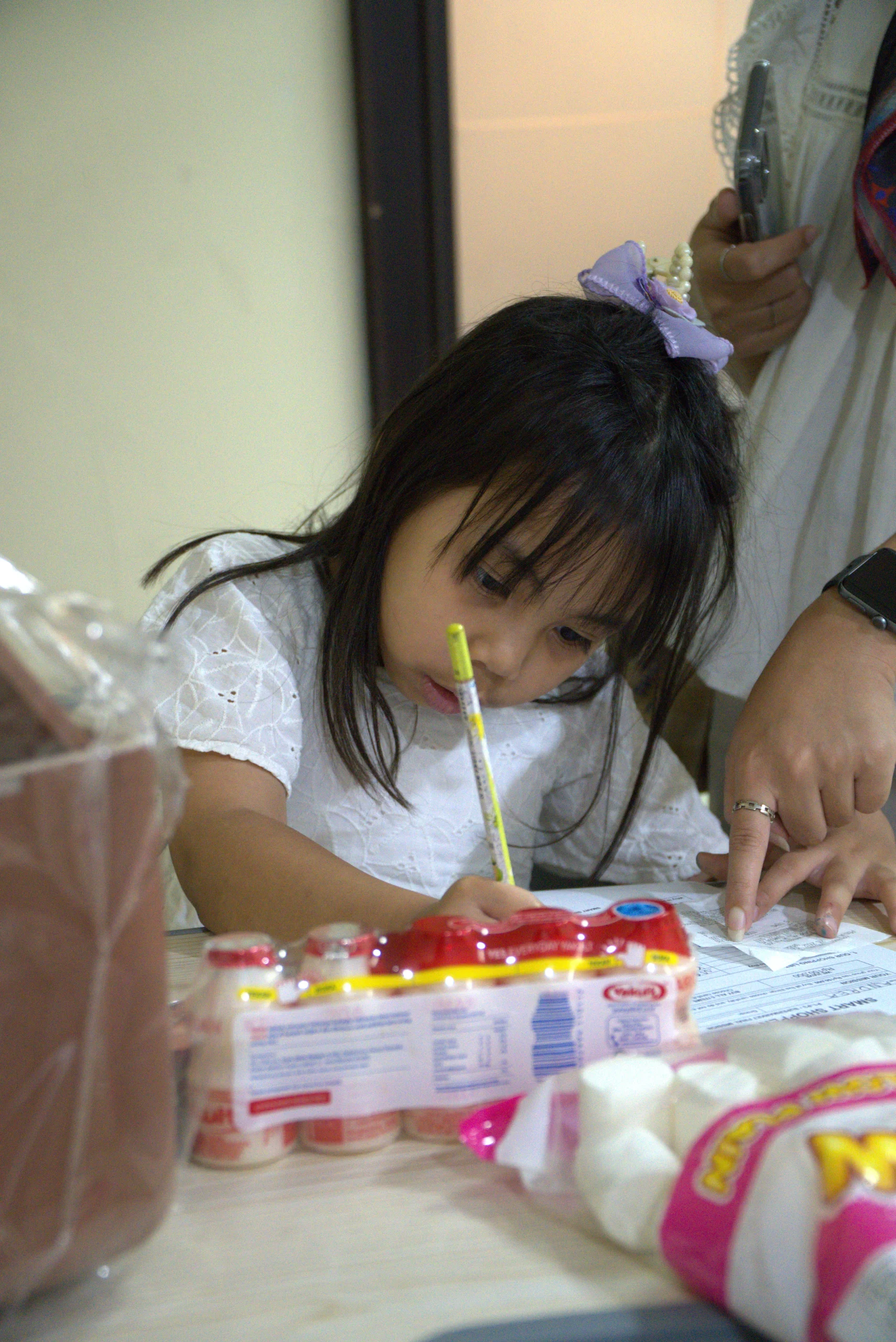
Why Balance Matters More Than Perfect Grades

For many years, academic success has been closely linked to one thing: grades.

Many students grow up believing that high scores determine their future, while parents naturally want their children to perform well and have access to the best opportunities.

And while good grades can certainly open doors, build confidence, and create strong academic foundations, more families today are beginning to realise an important truth:

Perfect grades do not always mean a student is thriving.

Behind impressive report cards, some students may be struggling with stress, anxiety, low self-confidence, and the constant pressure to meet expectations. Over time, an excessive focus on achievement can come at the expense of something equally important — a student’s wellbeing.

Academic success matters, but balance matters too.

The Growing Pressure Students Face Today

Students are growing up in a world that feels more competitive than ever.

From a young age, many feel pressure to perform well, stay productive, and keep up with their peers. Social media has only intensified this challenge.

Every day, students are exposed to university acceptances, awards, achievements, and carefully curated success stories online. While these accomplishments can be inspiring, they can also create unrealistic expectations and constant comparisons.

As a result, many students begin to study not because they enjoy learning, but because they fear:

  • Falling behind
  • Disappointing others
  • Not being “good enough”

Even highly capable students can become emotionally exhausted when their self-worth becomes too dependent on academic results.

This is why more parents and educators are shifting the conversation.

Success should never come at the cost of a student’s wellbeing.

Good Grades Alone Are Not Enough

Strong academic performance is valuable, but grades alone do not determine future success.

Students also need to develop essential life skills such as:

  • Confidence
  • Communication
  • Adaptability
  • Independence
  • Emotional resilience
  • Time management

These qualities play a significant role in university, future careers, and everyday life.

In fact, students who maintain a healthy balance often perform better in the long run because they are able to stay motivated without experiencing constant burnout.

Balance allows students to:

  • Manage stress more effectively
  • Build healthier routines
  • Maintain long-term motivation
  • Develop social and communication skills
  • Enjoy learning more meaningfully

Education should help students grow as individuals, not simply train them to chase numbers.

Every Student Learns Differently

One of the biggest misconceptions in education is that every child succeeds in the same environment.

The reality is very different.

Some students thrive in highly structured academic settings, while others perform better when given flexibility and a more personalised learning experience.

A student who struggles in one environment is not necessarily incapable. Often, they simply need a learning approach that better supports their individual strengths and learning style.

When students feel constantly overwhelmed, they often lose confidence.

But when they are placed in a supportive environment that encourages balance and personal growth, they tend to become more engaged, motivated, and emotionally secure.

Sometimes, the right environment can make all the difference.

Preparing Students for More Than Exams

The world students are entering is changing rapidly.

Universities and employers increasingly value skills such as:

  • Critical thinking
  • Creativity
  • Communication
  • Collaboration
  • Problem-solving
  • Adaptability

These skills are just as important as academic achievement.

That is why education should not focus solely on helping students pass exams. It should also help them become confident, independent thinkers who are prepared for life beyond the classroom.

Students need opportunities to:

  • Explore their interests
  • Discover their strengths
  • Build confidence
  • Develop healthy habits
  • Learn from real-world experiences

These are the experiences that help shape well-rounded, future-ready individuals.

Creating a Healthier Learning Experience

At Jakarta Academics, we believe education should support both achievement and wellbeing.

Every student learns differently, which is why flexibility, guidance, and a supportive environment are essential for meaningful growth.

As Indonesia’s first hybrid school, Jakarta Academics offers internationally recognised education through a modern learning model that allows students to study both online and onsite from Jakarta, Bali, or anywhere across Indonesia.

This flexible approach helps students create a healthier balance between:

Because success is not only measured by grades.

It is also reflected in a student’s confidence, resilience, wellbeing, and readiness for the future.

The Right Environment Can Change Everything

Every child deserves an education that supports both their academic goals and personal growth.

When students feel supported, understood, and encouraged to learn at their own pace, they are more likely to thrive both inside and outside the classroom.

Because in the end, the goal is not simply to raise students with perfect grades.

It is to raise confident, capable, and emotionally healthy individuals who are ready to succeed in whatever path they choose.

Looking for a More Balanced Approach to Education?

If you’re exploring an educational environment that values both academic excellence and student wellbeing, our Admissions Team would be happy to help.

Contact Jakarta Academics today to learn how our flexible hybrid learning model can support your child’s academic journey while helping them grow with confidence and balance.

Recent Post

Panduan Masuk Universitas Luar Negeri dari Jalur Homeschooling

Salah satu kekhawatiran terbesar orang tua sebelum memilih homeschooling adalah pertanyaan mendasar: “Apakah anak saya tetap bisa masuk universitas, terutama di luar negeri, meski tidak menempuh sekolah formal konvensional?” Jawabannya adalah sangat bisa, bahkan dengan jalur yang jelas dan terstruktur, asalkan menggunakan kurikulum internasional yang tepat dan direncanakan dengan matang sejak dini.

1. Pilih Kurikulum yang Diakui oleh Universitas Tujuan

Langkah pertama dan paling krusial adalah memastikan anak menempuh kurikulum yang diakui secara luas oleh universitas di negara tujuan. Sertifikat IGCSE dan A-Level dari Pearson Edexcel diterima secara luas oleh universitas di Inggris, Australia, Kanada, Singapura, hingga Amerika Serikat — meski untuk universitas di AS, biasanya dikombinasikan dengan skor tambahan seperti SAT atau ACT, tergantung kebijakan masing-masing kampus.

2. Pahami Syarat Nilai Minimum Setiap Universitas

Setiap universitas dan program studi memiliki standar nilai A-Level yang berbeda-beda. Universitas dengan tingkat kompetitif tinggi, seperti universitas-universitas top di Inggris, biasanya meminta nilai A atau A* pada mata pelajaran inti yang relevan dengan jurusan yang dituju. Karena itu, penting untuk melakukan riset spesifik terhadap universitas dan jurusan yang menjadi target anak sejak jauh sebelum masa pendaftaran.

3. Siapkan Dokumen Pendukung Sejak Dini

Selain transkrip nilai resmi, universitas luar negeri umumnya membutuhkan beberapa dokumen pendukung, di antaranya:

  • Personal statement atau essay motivasi, yang menjelaskan alasan dan kesiapan anak untuk menempuh jurusan yang dipilih
  • Surat rekomendasi dari tutor atau lembaga homeschooling yang menjelaskan karakter dan kemampuan akademik anak
  • Portofolio kegiatan non-akademik, terutama untuk universitas yang menerapkan sistem penilaian holistik yang mempertimbangkan kegiatan ekstrakurikuler, kompetisi, atau proyek pribadi

4. Manfaatkan Bimbingan Konseling Studi Lanjut

Proses aplikasi ke universitas luar negeri bisa terasa kompleks, terutama bagi keluarga yang belum familiar dengan sistemnya. Banyak lembaga homeschooling, termasuk Jakarta Academics, menyediakan pendampingan khusus untuk proses ini — mulai dari pemilihan kampus yang sesuai dengan profil akademik anak, penyusunan esai aplikasi, hingga simulasi wawancara untuk universitas yang menerapkan proses interview.

5. Perhatikan Timeline Pendaftaran Sejak Awal

Salah satu perbedaan mencolok dibanding sistem pendaftaran di Indonesia adalah timeline yang jauh lebih awal. Misalnya, sistem UCAS di Inggris untuk pendaftaran universitas dibuka sekitar satu tahun sebelum tahun masuk kuliah yang direncanakan. Keterlambatan memahami timeline ini sering menjadi penyebab utama siswa kehilangan kesempatan mendaftar ke universitas pilihan mereka.

6. Pertimbangkan Kebutuhan Tes Bahasa

Bagi universitas di negara berbahasa Inggris, siswa umumnya juga diminta melampirkan skor tes kemampuan bahasa Inggris seperti IELTS atau TOEFL, meski beberapa universitas memberikan pengecualian bagi siswa yang telah menempuh kurikulum berbahasa Inggris secara penuh, seperti kurikulum Pearson Edexcel.

7. Bangun Portofolio yang Kuat Sejak Jenjang IGCSE

Universitas luar negeri, terutama yang menerapkan sistem penilaian holistik, sering mempertimbangkan rekam jejak siswa sejak jenjang lebih awal. Karena itu, membangun portofolio kegiatan — baik akademik maupun non-akademik — sejak jenjang IGCSE dapat memberikan keunggulan tambahan saat proses aplikasi di jenjang A-Level nanti.

Studi Kasus Singkat

Sebagai gambaran, siswa yang menempuh kombinasi mata pelajaran A-Level yang relevan dengan jurusan tujuan, dilengkapi dengan portofolio kegiatan yang konsisten dan esai aplikasi yang matang, umumnya memiliki peluang lebih besar diterima di universitas kompetitif — terlepas dari apakah mereka menempuh pendidikan lewat sekolah formal atau jalur homeschooling.

Pertanyaan yang Sering Diajukan

Apakah universitas luar negeri membedakan pelamar dari sekolah formal dan homeschooling? Umumnya tidak, selama kurikulum dan sertifikasi yang ditempuh diakui secara resmi dan memenuhi syarat nilai yang diminta.

Kapan idealnya mulai mempersiapkan aplikasi universitas luar negeri? Sebaiknya sejak awal jenjang A-Level, atau bahkan sejak IGCSE untuk membangun portofolio yang kuat.

Apakah dibutuhkan konsultan pendidikan khusus? Tidak selalu wajib, namun sangat membantu, terutama jika lembaga homeschooling yang diikuti sudah menyediakan layanan bimbingan studi lanjut secara internal.

Kesimpulan

Jalur homeschooling, jika dijalankan dengan kurikulum internasional yang terakreditasi seperti Pearson Edexcel, justru bisa menjadi keunggulan tersendiri saat mendaftar ke universitas luar negeri — karena menunjukkan kemandirian, disiplin, dan kesiapan akademik yang matang sejak dini. Kuncinya adalah perencanaan yang matang, dokumen yang lengkap, dan pemahaman yang baik terhadap timeline serta syarat spesifik universitas tujuan.

Tim pendampingan studi lanjut Jakarta Academics membantu siswa kami mulai dari pemilihan kampus, penyusunan esai aplikasi, hingga simulasi wawancara. Beberapa alumni kami telah berhasil melanjutkan studi ke universitas di luar negeri lewat jalur ini — hubungi kami untuk mengetahui lebih lanjut program pendampingannya.

Homeschooling Pearson Edexcel Jakarta: A Flexible Path to International Qualifications

For many parents in Jakarta, choosing an international education is no longer simply about choosing between a traditional international school and a national school.

Today, families can consider a wider range of educational pathways, including homeschooling, hybrid schools, online learning, and flexible international education.

One qualification pathway that has gained increasing attention is Pearson Edexcel.

But what exactly is Pearson Edexcel? How is it different from Cambridge or the International Baccalaureate (IB)? Is Pearson Edexcel a curriculum or an examination system? And, most importantly, can Pearson Edexcel work with a homeschooling or hybrid school model in Jakarta?

The answer is yes, but understanding how the system works is important.

In this article, we will explore the history of the British education and qualification system, the development of Pearson Edexcel, how it compares with other international qualifications, and why it can be particularly suitable for students who need a more flexible approach to education.

What Is Pearson Edexcel?

Pearson Edexcel is Pearson’s qualification brand for academic and general qualifications. It includes qualifications such as International GCSEs, AS and A Levels, as well as other vocational qualifications.

Edexcel was formed in 1996 through the merger of London Examinations and the Business & Technology Education Council (BTEC). Pearson acquired a 75% stake in Edexcel in 2003 and completed the acquisition in 2005. In 2013, Pearson reorganised its education businesses, with Edexcel becoming part of Pearson’s global qualifications structure.

This is an important distinction:

Pearson Edexcel is not simply another “school curriculum.” It is an awarding and qualification system built on the British education tradition.

For international students, Pearson Edexcel offers qualifications such as International GCSE and International A Level, designed for learners studying outside the UK.

Pearson describes its international pathway, known as iProgress, as a learning journey for students aged 3–19 that includes iPrimary, iLowerSecondary, International GCSE and International AS/A Level.

A Brief History of the UK Education System

To understand Pearson Edexcel, it helps to understand how the British education and qualification system developed.

The United Kingdom has a long history of formal examinations and academic qualifications.

Cambridge, for example, began administering examinations outside the University in the 19th century. The University of Cambridge established its Local Examinations Syndicate in 1858, and its international examination activity began in 1864.

The modern UK qualification landscape later developed through several examination boards and awarding organisations.

In England today, the Department for Education sets the subject content and policy framework for many school qualifications, while Ofqual regulates qualifications, examinations and assessments.

Ofqual was established as an independent regulator in 2010. Its role includes maintaining standards and public confidence in qualifications such as GCSEs and A Levels.

There are currently four exam boards recognised by Ofqual to award GCSE, AS and A Level qualifications in England:

  • AQA
  • Cambridge OCR
  • Pearson
  • WJEC Eduqas

These organisations develop and award qualifications within the regulatory framework established by Ofqual and the subject requirements set by the Department for Education.

This means that when people talk about a “British curriculum,” there is actually a broader ecosystem behind it, covering curriculum content, qualifications, examination boards, regulation and schools.

Where Does Pearson Edexcel Fit Into the UK System?

A simple way to understand the relationship is:

UK Education System → Subject & Qualification Requirements → Awarding Organisations → Qualifications → Schools & Students

Pearson is one of the recognised awarding organisations.

Its Edexcel qualifications include International GCSE and International A Level programmes designed for international learners.

For example, Pearson’s International GCSE qualifications are designed specifically for international students and are comparable in academic demand and assessment standards to reformed UK GCSEs.

For students outside the UK, this creates an interesting opportunity.

A student does not necessarily need to attend a conventional British school in the UK to follow a British qualification pathway.

Instead, an appropriate international school, study centre or educational provider can support the student’s learning while the student works toward internationally recognised qualifications.

This is where flexible education models become particularly relevant.

Pearson Edexcel vs Cambridge vs IB

Parents searching for international education in Jakarta will often encounter three names: Pearson Edexcel, Cambridge and IB.

However, they are not exactly the same type of educational system.

Feature Pearson Edexcel Cambridge IB
Origin United Kingdom United Kingdom International
Established Edexcel formed in 1996 Cambridge examinations date to 1858 IB founded in 1968
Main model Qualifications and examinations Qualifications and examinations International educational programmes
Common qualifications/programmes International GCSE, International A Level IGCSE, International AS & A Level Primary Years, Middle Years, Diploma Programme
Learning approach Subject-focused academic qualifications Subject-focused academic qualifications Broader interdisciplinary framework
Suitable for flexible learning Yes, depending on delivery model Yes, depending on delivery model Possible, but programme requirements can be more structured

Cambridge has more than 160 years of examination history, while the International Baccalaureate was founded in Geneva in 1968 with the goal of developing an international education pathway that promoted academic rigour, international understanding and mobility.

The important point is that one system is not automatically better than another.

The better question is:

Which educational pathway is the right fit for the individual student?

Why Some Students Need More Than a Traditional Classroom

Traditional schooling works very well for many students.

But it is not necessarily the best environment for every learner.

Some students may need:

  • More flexible learning hours
  • Smaller classes
  • Individual academic support
  • More control over their learning pace
  • The ability to combine education with professional training or extracurricular activities
  • Flexibility because of frequent travel
  • A learning environment that better suits their personality
  • Additional academic support in particular subjects
  • A pathway that allows them to study from home

This is where homeschooling and hybrid education can become valuable.

The purpose of flexibility should not be to make education easier.

Instead, it should make education more appropriate to the student.

How Does Pearson Edexcel Work With Homeschooling?

One of the biggest misconceptions about homeschooling is that homeschooling and internationally recognised qualifications are incompatible.

They are not.

Homeschooling describes how a student learns.

Pearson Edexcel describes the qualification pathway and assessment system.

These are two different things.

A student can therefore learn through a flexible or home-based model while working toward internationally recognised Pearson qualifications, provided the relevant educational provider and examination arrangements meet the requirements of the qualification.

This distinction gives families more options.

Instead of choosing between:

Traditional school OR homeschooling

parents can consider:

International qualifications + personalised learning + flexible delivery

That combination is particularly relevant for families looking for homeschooling Pearson Edexcel Jakarta options.

Why Pearson Edexcel Can Suit a Homeschooling Model

Pearson Edexcel can be attractive to flexible-learning students because the qualification pathway is centred around clearly defined academic subjects and assessments.

For example, students may work toward International GCSE qualifications before progressing to International A Levels.

This can allow a student to build a structured academic pathway while having more flexibility in how learning is delivered.

Pearson also offers different assessment approaches for some international qualifications. For example, Pearson’s International GCSE History has a modular assessment route for international schools, where students can take examinations at the end of individual units when they are ready.

However, flexibility does not mean that every student can simply take an international examination independently without meeting the relevant requirements.

Parents should always work with an appropriately authorised school, study centre or examination centre to understand registration, teaching and examination arrangements.

Homeschooling vs Hybrid School: Which Is Better?

There is no universal answer.

The choice depends on what the student needs.

Homeschooling

Homeschooling can provide maximum flexibility.

Students may learn primarily from home, with parents, tutors or educational providers supporting their education.

This can work particularly well for students who are highly independent or have very specific schedules.

However, parents may also need to take greater responsibility for academic planning, subject selection, progress monitoring and social opportunities.

Hybrid School

A hybrid school combines elements of online and face-to-face education.

Students may study some subjects or lessons online while attending a physical learning environment for selected classes, activities or academic support.

This can provide a balance between flexibility and structure.

Traditional School

A traditional school provides a fixed timetable, physical classroom environment and established school community.

For students who thrive with routine, peer interaction and consistent teacher supervision, this can remain an excellent option.

The goal is not to replace traditional schools.

The goal is to recognise that different students may thrive in different learning environments.

Choosing the Right International Qualification for Your Child

Instead of asking:

“Which curriculum is the best?”

parents should ask:

1. What are my child’s academic goals?

Does your child want to study at a university in the UK, Australia, Singapore, Malaysia, Europe, the US or another country?

The intended university pathway can influence which qualifications and subjects make the most sense.

2. How does my child learn best?

Does your child perform better in a structured classroom?

Or do they need smaller classes, more individual attention and flexible learning hours?

3. Does my child need flexibility?

Students who travel frequently, participate seriously in sports or arts, or have demanding extracurricular schedules may benefit from a more flexible model.

4. Does my child need personalised academic support?

A student who struggles in a large classroom may perform very differently when teachers can provide more individual attention.

5. What matters beyond grades?

Academic results are important, but education should also help students develop independence, confidence, communication skills and the ability to manage their own learning.

Pearson Edexcel and Homeschooling in Jakarta

For families searching for Pearson Edexcel Jakarta, the most important consideration is not simply finding an international qualification.

It is finding an educational environment that can combine:

International academic standards + qualified teachers + appropriate assessment + flexibility + personalised support.

This is particularly important for homeschooling families.

A student may be academically capable but struggle in a conventional classroom.

Another student may be highly talented in music, sport or another field and require a schedule that a traditional school cannot easily accommodate.

Others may simply learn better in a smaller environment.

The right flexible school model can provide academic structure without forcing every student into exactly the same learning experience.

Jakarta Academics: Pearson Edexcel and Flexible International Education

Jakarta Academics provides a flexible international education pathway in Jakarta, combining personalised learning with UK qualifications.

Jakarta Academics states that it has been an official Pearson Edexcel study centre since 2020 and offers UK qualification pathways including IGCSE and A Levels.

The school offers students different ways to learn, including physical group study and learning from home, allowing families to choose an environment that better matches their circumstances.

The value of this model is not simply flexibility for the sake of flexibility.

It is about creating an education experience where the academic pathway can be maintained while the learning environment is adapted to the student.

Academic Achievement at Jakarta Academics

Flexible education does not have to mean lower academic standards.

Jakarta Academics has highlighted multiple Pearson Edexcel student achievements, including students receiving Pearson High Achiever recognition.

For example, Sherleen Emmanuel Xie, who had previously been homeschooled with her parents, joined Jakarta Academics for additional academic support and later achieved a Pearson High Achiever Award in 2023.

Another Jakarta Academics student, Mutiara Libra Pradnyana, received a Pearson Edexcel High Achiever Award in 2024 for outstanding IGCSE performance.

The school has also reported multiple Pearson Edexcel awards associated with high-performing students in the Asia-Pacific region.

These achievements demonstrate an important principle:

Flexible education does not mean compromising academic ambition.

With the right academic structure, personalised support and qualified teachers, students can pursue rigorous international qualifications while learning in a way that fits their individual needs.

Is Pearson Edexcel Right for Your Child?

Pearson Edexcel may be worth considering if your child:

  • Wants an internationally recognised academic qualification
  • Is considering university abroad
  • Needs a more flexible learning schedule
  • Prefers smaller classes
  • Benefits from personalised academic support
  • Is balancing school with sport, arts or other commitments
  • Has previously struggled in a conventional classroom
  • Wants a structured academic pathway without a fully traditional school environment

However, Pearson Edexcel is not automatically the right choice for every student.

The best education pathway depends on your child’s academic goals, learning style, personality, family circumstances and future university plans.

Frequently Asked Questions About Homeschooling Pearson Edexcel Jakarta

Is Pearson Edexcel a curriculum?

Pearson Edexcel is more accurately described as Pearson’s qualification and awarding brand rather than a single curriculum. It offers qualifications including International GCSE and International A Level that are based on the British education tradition.

Can I homeschool my child with Pearson Edexcel?

A flexible or home-based learning model can be combined with Pearson qualifications, but families need to ensure that teaching, registration and examination arrangements are handled through an appropriate authorised centre or examination arrangement.

Is Pearson Edexcel recognised internationally?

Pearson states that its Edexcel qualifications are internationally recognised and designed to support progression to higher education and employment.

Is Pearson Edexcel better than Cambridge?

Neither qualification system is universally “better.” Pearson Edexcel and Cambridge offer respected international qualifications, but the best choice depends on the student’s subjects, learning needs, assessment preferences and university pathway.

Is Pearson Edexcel suitable for homeschooling in Jakarta?

Yes, Pearson Edexcel qualifications can fit within a flexible education model when the appropriate academic and examination arrangements are in place. The key is choosing an educational provider that can provide both academic support and a recognised qualification pathway.

Where can I study Pearson Edexcel in Jakarta?

Families looking for a flexible Pearson Edexcel pathway in Jakarta can explore authorised or approved educational centres and ask specifically about their Pearson Edexcel status, available qualifications, examination arrangements, subjects and university pathways.

The Future of International Education Is More Flexible

Education does not have to be defined by a single classroom model.

For some students, the traditional classroom remains the best environment.

For others, homeschooling, online education or hybrid learning may provide the flexibility they need to achieve their potential.

Pearson Edexcel provides one established qualification pathway within the broader British education ecosystem. Combined with the right learning environment, it can give students the opportunity to pursue rigorous international qualifications without necessarily following a conventional school model.

For families searching for homeschooling Pearson Edexcel Jakarta, the real question is therefore not simply:

“Which school has the best curriculum?”

It is:

“Which learning environment can help my child achieve their academic goals while allowing them to learn in the way that works best for them?”

At Jakarta Academics, the answer is built around flexibility, personalised learning, small classes and internationally recognised qualifications, giving students a different way to learn without lowering the academic standard.


Homeschooled in Indonesia and Planning for University? Here’s What You Need to Know About Transcripts

Homeschooled in Indonesia and planning for university? One of the first questions parents often ask is: “What documents will my child need to prove their education?”

Unlike a conventional school student, a homeschooled student may not automatically receive the same school issued report cards, transcripts, or graduation documents. This can make university applications feel complicated, especially when choosing between Indonesian universities and international universities.

The good news is that homeschooling does not have to close the door to higher education.

What matters is building an academic record that clearly demonstrates what your child has studied, how they have performed, and, where required earning an officially recognised qualification.

What Is a Homeschool Transcript?

A homeschool transcript is an academic record that summarises a student’s secondary education.

Depending on the homeschool programme, it can include:

  • Subjects studied
  • Academic years or grade levels
  • Course descriptions
  • Grades or marks
  • Credits or learning hours
  • GPA, where applicable
  • Examination results
  • Extracurricular activities
  • Academic achievements
  • Graduation information

Think of it as a structured academic history.

For university admissions, however, a transcript should not be confused with a government issued graduation certificate or an international examination certificate.

A university may ask for both an academic transcript and evidence that the student has completed an accepted secondary school qualification.

Planning to Study at an Indonesian University?

For Indonesian students, one possible pathway is the Paket C qualification.

Paket C is a national equivalency programme corresponding to senior secondary education. For a homeschool student who wants to follow the Indonesian education pathway, obtaining an appropriate equivalency qualification can provide an official credential for further study.

However, students following an international curriculum may have another pathway.

Some Indonesian universities recognise international qualifications such as Cambridge International AS & A Levels. Cambridge notes that an increasing number of Indonesian universities recognise these qualifications, although the admissions pathway can vary depending on the university, programme, and whether the student applies to a domestic or international programme.

For example, UGM’s International Undergraduate Program admissions list A Level, IB, or equivalent qualificationsamong accepted qualifications, alongside its stated senior secondary requirements.

This means parents should not assume that every Indonesian university treats an international qualification in exactly the same way.

Always check the specific admission requirements of the university and programme you are targeting.

What About International Universities?

For students planning to apply overseas, internationally recognised qualifications can provide a more standardised academic pathway.

Two common options are:

Cambridge International

Homeschooled students can take Cambridge examinations as private candidates.

Cambridge explains that private candidates are students who do not attend a Cambridge school but arrange to enter examinations through a school or approved exam provider that accepts private candidates.

This can be particularly useful for homeschooling families because the student can study independently while still working toward a recognised external qualification.

However, not every Cambridge syllabus is available to private candidates. Some subjects involve coursework or assessment components that require supervision or authentication by the entering centre.

Pearson Edexcel

Pearson Edexcel also recognises private candidates, including home educated learners and students studying independently.

A private candidate can enter examinations through an approved centre that is willing to accept them.

Pearson states that its GCSE, International GCSE, A Level and International AS/A Level qualifications are widely recognised by universities worldwide for undergraduate progression.

Again, the important point is that the student needs to plan the qualification pathway not simply create a transcript.

So, Can a Homeschool Student Apply Without a National Diploma?

Potentially, yes but it depends on the university and admission pathway.

A student with an international qualification such as Cambridge or Pearson Edexcel may be eligible for universities that recognise those qualifications.

However, this does not mean:

“Every Indonesian university accepts an international diploma instead of a national diploma.”

Admission requirements can differ significantly between:

  • Public and private universities
  • Domestic and international programmes
  • WNI and WNA applicants
  • Indonesian and overseas qualifications
  • Individual faculties and degree programmes

Cambridge’s Indonesia guidance specifically highlights these differences.

For Indonesian applicants, additional documentation or equivalency requirements may also apply depending on where the student completed their schooling and which admission route they use.

The safest approach is to identify your target universities first, then work backwards to the qualification requirements.

How to Make Sure Your Homeschool Transcript Is Accepted

Don’t wait until the university application deadline to discover that a document is missing.

1. Choose the university pathway early

Are you targeting:

Indonesian universities?

International universities?

Both?

Your answer can affect the best qualification strategy.

2. Check the university’s official requirements

Look specifically for:

  • Accepted high school qualifications
  • International qualification requirements
  • Minimum grades
  • Subject requirements
  • English language requirements
  • Graduation requirements
  • Equivalency or recognition documents
  • Application deadlines

Don’t rely solely on another family’s experience. Requirements can change between universities and admission cycles.

3. Build your transcript from the beginning

Don’t try to reconstruct six years of education in your final year.

Keep records of:

  • Subjects
  • Grades
  • Learning hours
  • Projects
  • Assessments
  • External examinations
  • Academic competitions
  • Research
  • Community activities

A consistent academic record makes the application much easier to understand.

4. Use recognised external examinations where appropriate

If your child plans to apply internationally, qualifications such as Cambridge International or Pearson Edexcel can provide externally assessed evidence of academic achievement.

For homeschoolers, both examination boards have pathways for private candidates, although availability and assessment requirements vary by subject.

5. Keep your documentation consistent

Make sure the student’s:

Name → Date of Birth → Subjects → Grades → Examination Results

are consistent across documents.

Small administrative inconsistencies can create unnecessary questions during admissions.

What Should a Strong Homeschool Transcript Include?

A professional homeschool transcript could include:

Student Information

  • Full name
  • Date of birth
  • Citizenship
  • Graduation year

Academic Record

  • Grade/year
  • Subject
  • Course description
  • Final grade
  • Credits or learning hours

External Qualifications

  • Qualification
  • Exam board
  • Subject
  • Grade
  • Examination date

Additional Academic Evidence

  • Research projects
  • Competitions
  • Leadership
  • Community involvement
  • Portfolio work

The goal is simple:

Make the student’s education easy for an admissions officer to understand.

Homeschooling Doesn’t Mean Giving Up University Options

One of the biggest misconceptions about homeschooling is that students must choose between flexibility and academic recognition.

They don’t necessarily have to.

A well planned homeschool pathway can combine:

Flexible learning

A structured transcript

Recognised qualifications

Clear university planning

This can create a pathway toward both Indonesian and international higher education.

The key is to plan backwards from the university destination.

Thinking About Cambridge or Pearson Edexcel?

If your child is being homeschooled in Indonesia and you are considering an international qualification, start by asking:

Where does your child want to study after graduation?

If the answer is Indonesia, investigate the specific university and programme requirements.

If the answer is the UK, US, Australia, Singapore, or another country, investigate which qualifications and subjects those universities require.

And if you’re keeping both Indonesian and international university options open, build a pathway that preserves flexibility rather than waiting until the final year.

The Bottom Line

Homeschooled in Indonesia and planning for university?

Your child’s education doesn’t have to fit into a conventional school model but it does need to be documented, credible, and aligned with the requirements of the universities you’re targeting.

A homeschool transcript can tell your child’s academic story.

Paket C can provide an Indonesian equivalency pathway.

Cambridge and Pearson Edexcel can provide internationally recognised examination qualifications through appropriate routes, including private candidate pathways.

But the most important step is to check the destination university before choosing the qualification pathway.

Because the best homeschool education isn’t simply about learning differently.

It’s about keeping more doors open.