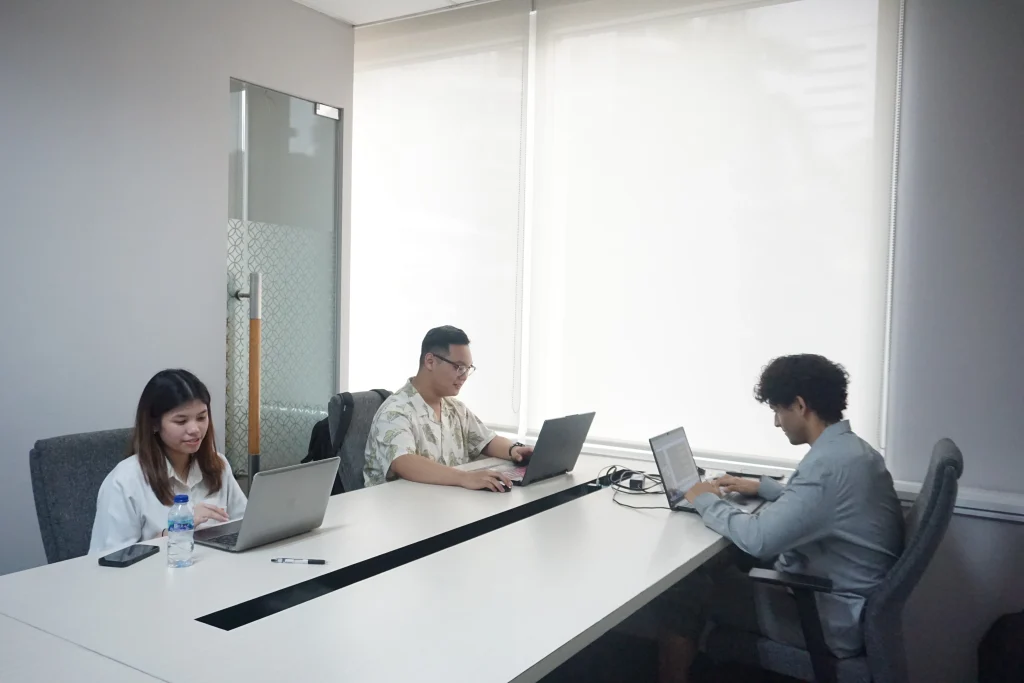
Homeschooling Methods That Work Best for Indonesian Families

Homeschooling Indonesia

Homeschooling is gaining popularity in Indonesia as more families seek flexible, personalized education for their children. With growing access to online resources, global curriculums, and local homeschooling communities, Indonesian parents have various options to ensure their children receive a high-quality education at home. However, homeschooling comes with unique challenges, including legal considerations and socialization concerns.

In this article, we explore homeschooling methods that work best for Indonesian families, incorporating both international and local approaches. We also discuss available resources, bilingual education strategies, and success stories to help parents make informed decisions.

Popular Homeschooling Methods

Indonesian families can choose from various homeschooling methods based on their children’s learning styles and family values.

a. Traditional Homeschooling

This approach follows structured lesson plans based on the Indonesian national curriculum (Kurikulum Merdeka). It is ideal for families who want their children to transition smoothly to formal education later.

b. Montessori Method

Montessori homeschooling emphasizes hands-on learning, independence, and natural curiosity. It is suitable for younger children and focuses on practical life skills alongside academic subjects.

c. Charlotte Mason Approach

This literature-based approach encourages children to learn through storytelling, nature studies, and art appreciation. It fosters a love for reading and critical thinking, making it a great fit for bilingual education.

d. Classical Education

The classical method divides learning into three stages:

  • Grammar Stage (ages 6–10): Focus on memorization and language skills.
  • Logic Stage (ages 11–14): Encourages analytical thinking and reasoning.
  • Rhetoric Stage (ages 15–18): Develops articulation, debate, and persuasive writing.

e. Unschooling

Unschooling allows children to learn at their own pace through life experiences, exploration, and self-directed study. This method works well for families who prioritize flexibility and creativity over structured lessons.

f. Eclectic Homeschooling

Many Indonesian families adopt an eclectic approach, combining elements from different methods to create a customized learning experience tailored to their child’s needs.

g. Online and Distance Learning

With the rise of digital education, online homeschooling programs such as Jakarta Academics offer structured learning paths while allowing flexibility.

International Homeschooling Approaches in an Indonesian Context

Homeschooling Indonesia

For families aiming for a globally recognized education, international curricula provide an excellent option.

a. Cambridge, Pearson Edexcel, IB, and Other Global Curricula

Many Indonesian homeschooling families opt for internationally accredited curriculums such as:

  • Cambridge/Pearson Edexcel (IGCSE, A-Levels) – Recognized worldwide and widely used in Indonesian homeschooling communities.
  • International Baccalaureate (IB) – Focuses on inquiry-based learning and critical thinking.
  • American Curriculum (SAT, AP Courses) – A flexible and widely accepted alternative for university preparation.

b. Bilingual Education Strategies

Since many Indonesian parents want their children to be proficient in both Bahasa Indonesia and English, homeschooling can integrate bilingual education through:

  • Reading books in both languages
  • Watching educational content in English and Indonesian
  • Encouraging communication in both languages at home
  • Using online resources like Duolingo or BBC Learning English

c. How to Integrate International Curriculums with Local Culture

Parents can enrich their homeschooling experience by incorporating:

  • Indonesian history, literature, and cultural studies
  • Local community projects and field trips
  • Bahasa Indonesia as a core subject alongside English

Available Resources for Homeschooling in Indonesia

Parents have access to various homeschooling resources within Indonesia, including:

  • Local Homeschooling Communities: Groups like Rumah Inspirasi and Indonesian Homeschooling Network provide support, workshops, and social activities.
  • Accredited Homeschooling Institutions: Institutions such as Jakarta Academics Homeschooling offer structured programs.
  • Online Learning Platforms: Websites like Zenius, and Khan Academy provide digital lessons.
  • Extracurricular Activities: Music, sports, coding, and art classes available through local and online platforms.

Challenges and Solutions for Homeschooling in Indonesia

Homeschooling comes with its own set of challenges, but solutions are available.

a. Socialization Concerns

Many parents worry about their child’s social skills. Solutions include:

  • Joining homeschooling co-ops and playgroups
  • Enrolling in extracurricular activities
  • Attending community events and workshops

b. Government Regulations

While homeschooling is legal in Indonesia, parents must ensure compliance with the Ministry of Education’s guidelines. Registering with an accredited homeschooling provider can help ensure legal recognition.

c. Balancing Homeschooling with Work

Working parents can manage homeschooling by:

  • Using online learning platforms for independent study
  • Hiring tutors for specific subjects
  • Creating a structured yet flexible schedule

Success Stories of Homeschooling in Indonesia

Many Indonesian families have successfully homeschooled their children, leading to academic excellence and career success. Notable examples include:

  • Homeschooling graduates who have secured scholarships at top universities
  • Entrepreneurial homeschoolers who started successful businesses
  • Children excelling in arts, sports, and STEM fields through self-directed learning

Homeschooling offers Indonesian families a flexible and personalized education solution. By combining international approaches with local values, families can ensure their children receive a high-quality education tailored to their needs.

If you’re considering homeschooling, explore the resources available, connect with support groups, and develop a curriculum that best suits your child’s learning style. With the right approach, homeschooling in Indonesia can be a rewarding and effective educational choice.

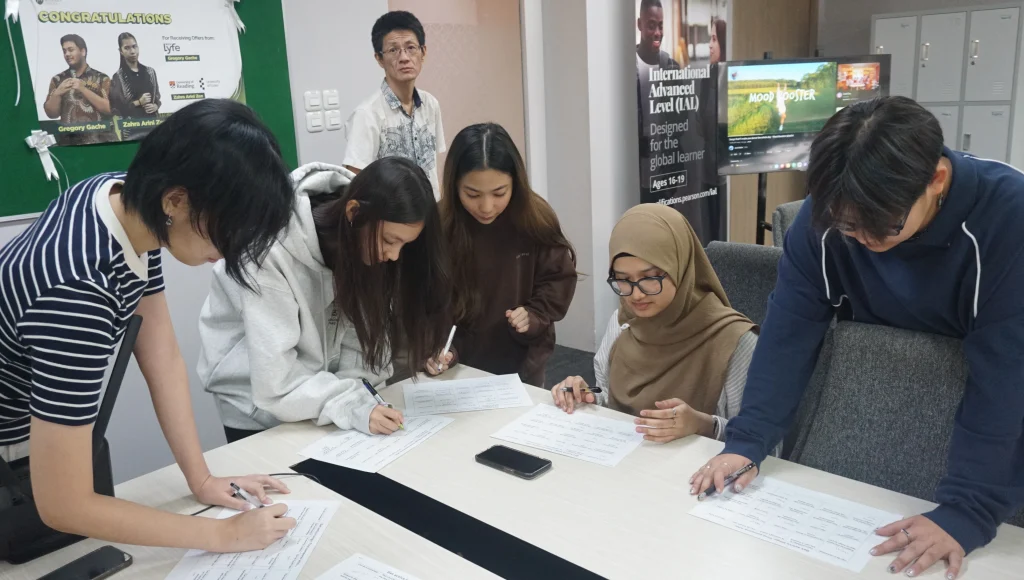
Recent Post

A Level Online Indonesia

Homeschooling Internasional di Bali: Memahami Pilihan Pendidikan yang Lebih Fleksibel dan Terarah

Setiap orang tua tentu ingin memberikan pendidikan terbaik untuk anaknya. Namun, tidak semua anak cocok dengan sistem sekolah konvensional yang jadwalnya padat dan seragam. Di Bali, semakin banyak keluarga mulai mempertimbangkan homeschooling internasional sebagai solusi pendidikan yang lebih fleksibel, personal, dan tetap memiliki standar global. Homeschooling bukan berarti belajar tanpa arah. Justru, dengan sistem yang tepat, anak dapat belajar secara lebih fokus, terstruktur, dan sesuai dengan tujuan akademiknya.

Apa yang Dimaksud dengan Homeschooling Internasional?

Homeschooling internasional adalah sistem pendidikan yang menggunakan kurikulum global dan diakui secara internasional. Siswa belajar dengan pendekatan yang lebih personal, namun tetap mengikuti target akademik yang jelas dan ujian resmi yang diakui oleh universitas luar negeri. Melalui Jakarta Academics, siswa di Bali dapat mengikuti jalur pendidikan internasional seperti IGCSE, A Level, dan Foundation, yang dirancang sebagai persiapan menuju universitas internasional.

Mengapa Homeschooling Menjadi Pilihan di Bali?

Bali memiliki karakter yang unik. Banyak keluarga lokal dan internasional tinggal di Bali dengan gaya hidup yang dinamis. Homeschooling menawarkan fleksibilitas tanpa mengorbankan kualitas pendidikan.
Beberapa alasan utama keluarga memilih homeschooling di Bali:

  • Anak dapat belajar dengan tempo yang sesuai dengan kemampuannya
  • Jadwal belajar lebih fleksibel dan seimbang
  • Fokus pada pengembangan potensi akademik dan minat siswa
  • Lingkungan belajar yang lebih kondusif dan terarah

Perbedaan Homeschooling Internasional dan Sekolah Internasional

hybrid school

Sekolah internasional umumnya memiliki jadwal dan struktur yang tetap, dengan jumlah siswa dalam satu kelas yang cukup besar. Sementara itu, homeschooling internasional memberikan ruang belajar yang lebih personal. Pada homeschooling, guru dapat menyesuaikan metode belajar sesuai kebutuhan siswa. Anak tidak harus mengejar, tetapi belajar memahami materi secara mendalam. Bagi siswa yang menargetkan kuliah ke luar negeri, pendekatan ini sering kali lebih efektif.

Keunggulan Homeschooling Internasional di Bali

    • Pendekatan Belajar yang Lebih Personal
      Setiap siswa memiliki kebutuhan dan target yang berbeda. Homeschooling memungkinkan proses belajar yang disesuaikan dengan kemampuan dan minat siswa.
    • Kurikulum yang Diakui Secara Global
      Program internasional yang digunakan telah diakui oleh universitas di berbagai negara, sehingga siswa memiliki jalur yang jelas untuk melanjutkan pendidikan ke luar negeri.
    • Persiapan Menuju Universitas Sejak Dini
      Selain akademik, siswa juga dibimbing untuk memahami jalur pendidikan selanjutnya, termasuk kesiapan mental dan akademik menghadapi sistem universitas internasional.
    • Fleksibilitas yang Seimbang
      Siswa tetap memiliki waktu untuk mengembangkan minat lain tanpa harus mengorbankan pencapaian akademik.

Program yang Umumnya Dipilih dalam Homeschooling Internasional

Beberapa program yang banyak diminati keluarga di Bali antara lain:

  • Program menengah sebagai dasar akademik
  • IGCSE sebagai persiapan pendidikan lanjutan
  • A Level dan Foundation sebagai jalur langsung ke universitas

Setiap tahap dirancang untuk membangun kesiapan siswa secara bertahap dan terarah.

Siapa yang Cocok Mengikuti Homeschooling Internasional?

Homeschooling internasional cocok bagi siswa yang:

  • Memiliki target kuliah di luar negeri
  • Membutuhkan sistem belajar yang lebih fleksibel
  • Ingin belajar dengan pendekatan yang lebih personal
  • Tinggal di Bali dengan kebutuhan pendidikan yang dinamis

Kesimpulan

Homeschooling internasional di Bali bukan sekadar alternatif, tetapi pilihan pendidikan yang memberikan pemahaman, arah, dan fleksibilitas. Dengan sistem yang terstruktur dan kurikulum yang diakui secara global, anak dapat belajar dengan lebih nyaman dan terarah menuju masa depan akademik yang lebih luas. Bagi keluarga yang ingin memahami dan mempertimbangkan homeschooling internasional di Bali, Jakarta Academics menawarkan pendekatan pendidikan yang relevan dengan kebutuhan siswa saat ini dan tantangan pendidikan global.

is IGCSE difficult

Is IGCSE Difficult? An Honest Guide for Students & Parents

One of the most common questions families ask when choosing a secondary qualification is:
Is IGCSE difficult?

The honest answer is: IGCSE is not inherently harder than GCSE—but it can feel challenging depending on the student, subjects chosen, and support available.

IGCSEs are designed to be academically rigorous yet fair, with difficulty shaped more by context and preparation than by the qualification itself.

What Is IGCSE?

IGCSE stands for International General Certificate of Secondary Education.

  • A two-year qualification typically taken by students aged 14–16
  • Offered by major exam boards such as Cambridge International (CIE) and Pearson Edexcel
  • Designed to prepare students for A-levels, IB, or vocational pathways
  • Studied by students in over 150 countries worldwide

How IGCSEs Are Assessed

Assessment methods vary by subject and board, and may include:

  • Written examinations
  • Practical exams (e.g. sciences)
  • Coursework or controlled assessment (in some subjects)

Are IGCSEs Harder Than GCSEs?

is IGCSE difficult

Not really.

IGCSEs are essentially GCSE-level qualifications adapted for international students. The key difference is that IGCSEs are designed without UK-specific cultural references, so students outside the UK are not disadvantaged by questions based on British life or context.

 In short:
Same academic level, different design purpose.

What Makes IGCSEs Manageable (Easier)?

For many students, IGCSEs are very achievable—especially with the right approach.

1. Clear Syllabuses and Marking Criteria

  • Topics are clearly defined
  • Mark schemes and grade descriptors are published
  • Teachers can align lessons closely to exam requirements

This transparency reduces surprises and helps focused students perform well.

2. Modular Learning in Many Subjects

  • Content is divided into distinct topics
  • Easier to revise in structured chunks
  • Supports steady progress over two years

3. Wide Choice of Subjects and Levels

  • Broad subject range (sciences, languages, humanities, creative subjects)
  • Some subjects offer different tiers or syllabuses for varying ability levels
  • Students can play to their strengths

4. Strong Availability of Past Papers

  • Extensive past papers and examiner reports
  • Predictable question styles in many subjects
  • Practising exam technique leads to significant grade improvement

What Makes IGCSEs Challenging (Harder)?

is IGCSE difficult

Despite their clarity, IGCSEs are not easy qualifications. Several factors can increase difficulty.

1. Breadth and Workload

  • Students often take 8–12 subjects
  • Each subject has substantial content
  • Time management becomes critical

2. Academic Demands in Certain Subjects

Some subjects are consistently more demanding, especially at higher levels:

  • Mathematics (Higher)
  • Sciences (Physics, Chemistry)
  • Foreign languages
  • Literature-heavy subjects

These require strong problem-solving, analysis, and conceptual understanding.

3. High-Stakes Exams

  • Final exams often determine the entire grade
  • Limited room for error
  • Exam pressure can be challenging for some students

4. Variation in Teaching Quality

  • School support and teacher experience vary widely by country and institution
  • Access to resources and feedback can significantly affect outcomes

5. Language and Background Factors

  • Students studying in a non-native language may struggle more
  • Gaps in earlier schooling (especially maths or English) increase difficulty

Who Typically Finds IGCSEs Easy or Hard?

IGCSEs Tend to Be Easier For:

  • Students with strong study habits
  • Regular past-paper practice
  • Supportive teachers and clear feedback
  • Solid foundations in English and maths

IGCSEs Tend to Be Harder For:

  • Poor organization or inconsistent revision
  • Weak foundational knowledge
  • Learning differences without accommodations
  • Students overloaded with too many subjects

Practical Advice to Make IGCSEs Easier

The good news: difficulty is highly controllable.

Choose Subjects Strategically

  • Balance strengths and interests
  • Avoid unnecessary overload
  • Don’t choose subjects only because friends are taking them

Use Past Papers Properly

  • Practise under timed conditions
  • Analyse mark schemes in detail
  • Learn how marks are actually awarded

Focus on Core Foundations

  • Secure basics in maths, English, and sciences early
  • Weak fundamentals multiply difficulty later

Master Exam Technique

  • Understand command words (e.g. describe, explain, evaluate)
  • Learn how to allocate time per question
  • Practise structured answers

Maintain a Regular Revision Schedule

  • Use spaced repetition
  • Target weak areas instead of rereading everything
  • Short, consistent revision beats cramming

Seek Targeted Support

  • Small-group tutoring
  • Subject clinics
  • Peer study for difficult topics

Use Official Resources

  • Board syllabuses
  • Specimen papers
  • Approved textbooks and examiner reports

These are far more effective than generic online notes.

Which IGCSE Subjects Are the Hardest?

Difficulty varies by student, but commonly challenging IGCSE subjects include:

  • Mathematics (Higher tier)
  • Physics and Chemistry
  • First Language English / Literature
  • Foreign Languages (especially for non-native speakers)

That said, a “hard” subject with good teaching is often easier than a “soft” subject with poor support.

Final Verdict: Is IGCSE Difficult?

IGCSE is challenging but fair.

  • Not easier or harder than GCSE in level
  • Difficulty depends heavily on preparation, subject choice, and support
  • Well-organized students with good exam practice can do very well

With the right strategy, IGCSEs are absolutely manageable—and often rewarding.

international school in Indonesia

International School in Indonesia with Flexible Learning

Choosing the right education pathway is one of the most important decisions Indonesian parents make for their children. In recent years, international schools in Indonesia have become a popular choice especially for families seeking flexible learning models that better suit their child’s individual needs.

Not every student thrives in a rigid, conventional school system. Today’s learners are diverse, and education should adapt to them, not the other way around.

Many Indonesian parents are rethinking traditional schooling for several reasons:

  • Growing awareness that one-size-fits-all education doesn’t work
  • Increasing demand for internationally recognised qualifications
  • The need for flexibility for students with non-academic commitments
  • Concerns about outdated teaching methods and rigid school rules

Not Every Student Fits Conventional School Settings

Every child learns differently. Some students struggle not because they lack ability, but because the system does not suit them.

Students Who Benefit from Flexible Learning Include:

  • Athletes or performers who need time for training and competitions
  • Students who learn better in smaller classes
  • Learners who need a calmer, more focused environment
  • Students who feel disengaged by rigid rules and traditional discipline systems

A flexible learning environment allows students to focus, grow, and succeed—both academically and personally.

The Importance of Small Class Sizes

international school in Indonesia

Large classrooms can make it difficult for students to concentrate and receive individual attention. For many learners, small class sizes are key to academic success.

Benefits of smaller classes include:

  • More personalised teacher support
  • Better focus and engagement
  • Increased confidence to ask questions
  • Stronger student–teacher relationships

For students who struggle with concentration, this can make a significant difference.

Moving Beyond Rigid School Systems

Some children become demotivated by:

  • Strict attendance policies
  • Excessive homework without purpose
  • Limited freedom to explore interests
  • Outdated teaching approaches

Flexible international schools focus on learning outcomes, not just compliance. The goal is to nurture independent, motivated learners who enjoy learning.

Jakarta Academics: Pioneer of Hybrid International Schooling in Indonesia

Jakarta Academics is a pioneer of the hybrid school model with an international curriculum in Indonesia, offering students the best of both worlds:

  • Internationally recognised education
  • Flexible learning schedules
  • Small class sizes
  • Personalised academic pathways

The hybrid model combines structured academic excellence with the freedom students need to pursue their talents outside the classroom.

Why Choose Jakarta Academics?

Jakarta Academics stands out among international schools in Indonesia for several key reasons:

✔ Internationally Recognised Curriculum

Students follow globally respected programmes aligned with international standards, preparing them for universities worldwide.

✔ Flexible & Hybrid Learning Model

Ideal for:

  • Student athletes
  • Creative performers
  • Learners who need a non-traditional schedule

✔ Small Classes, Individual Focus

Students receive tailored academic support to maximise their potential.

Is a Hybrid International School Academically Approved?

Yes—Jakarta Academics is academically recognised and internationally respected.

Pearson Awards – 4 Consecutive Years

international school in Indonesia

Jakarta Academics has received Pearson Awards for four consecutive years, recognising outstanding academic achievement and consistent quality.

This achievement reflects not only the school’s commitment to excellence, but also the dedication of students, parents, and educators who support the learning journey.

Proven University Pathways Worldwide

Graduates of Jakarta Academics have been accepted into top-ranked universities across the globe, including:

  • United Kingdom
  • Australia
  • United States
  • Singapore
  • Malaysia

This demonstrates that a flexible learning model does not compromise academic outcomes, it enhances them.

Final Thoughts: A Smarter Way to Learn

An international school with flexible learning in Indonesia is not about taking the “easy path.” It’s about choosing the right path one that respects how students learn, grow, and succeed.

Jakarta Academics offers a future-ready education designed for modern learners who need flexibility without sacrificing quality.