Anak Bisa Bahasa Inggris, Tapi Sulit Fokus di Kelas? Mungkin Ini Penyebabnya

Anak saya sebenarnya bisa bahasa Inggris. Kalau menonton YouTube atau bermain game, dia bisa mengerti. Bahkan kadang dia menggunakan bahasa Inggris ketika berbicara. Tapi kenapa kalau belajar di kelas justru sulit fokus dan sering tidak memahami pelajarannya?

Pertanyaan seperti ini mungkin cukup familiar bagi banyak orang tua.

Tidak sedikit anak yang terlihat nyaman dengan bahasa Inggris dalam kehidupan sehari-hari, tetapi ketika bahasa tersebut digunakan untuk belajar, situasinya bisa berubah. Mereka mulai kehilangan fokus, kesulitan mengikuti instruksi, atau membutuhkan waktu lebih lama untuk memahami materi yang diberikan guru.

Hal ini sering membuat orang tua bertanya-tanya apakah anaknya memang kurang fokus, kurang serius belajar, atau bahkan tertinggal dibandingkan teman-temannya.

Padahal, belum tentu demikian.

Bisa jadi masalahnya bukan karena anak tidak mampu belajar. Mereka mungkin hanya membutuhkan cara belajar dan lingkungan yang lebih sesuai dengan kebutuhan mereka.

Ketika Anak Terlihat Tidak Fokus, Jangan Langsung Menyalahkan Anak

Sebagai orang tua, kita tentu ingin anak fokus ketika belajar. Ketika mereka mulai melihat ke luar jendela, berbicara dengan teman, atau tidak menyelesaikan tugas, reaksi pertama yang muncul mungkin adalah meminta mereka untuk lebih serius.

Namun, sebelum mengatakan bahwa anak tidak fokus, ada baiknya kita melihat lebih jauh apa yang sebenarnya terjadi.

Apakah materinya terlalu sulit? Apakah mereka sudah memahami pelajaran sebelumnya? Apakah mereka merasa bosan karena materi terlalu mudah? Atau mungkin mereka sebenarnya ingin bertanya tetapi tidak cukup percaya diri untuk mengatakannya?

Setiap kemungkinan membutuhkan pendekatan yang berbeda.

Seorang anak yang tidak fokus karena tidak memahami materi membutuhkan bantuan yang berbeda dengan anak yang kehilangan fokus karena materi tersebut terlalu mudah baginya. Jika keduanya mendapatkan pendekatan yang sama, hasilnya tentu belum tentu optimal.

Karena itu, memahami alasan di balik perilaku anak menjadi bagian penting dari proses belajar.

Setiap Anak Memiliki Cara Belajar yang Berbeda

Di dalam satu kelas, kemampuan dan karakter siswa bisa sangat beragam. Ada anak yang cepat memahami penjelasan guru hanya dengan mendengarkan. Ada yang membutuhkan contoh visual agar konsepnya lebih mudah dipahami. Ada juga yang baru benar-benar mengerti setelah mencoba sendiri atau berdiskusi dengan teman.

Tidak ada satu cara belajar yang selalu berhasil untuk semua anak.

Itulah mengapa personalised learning menjadi semakin penting dalam pendidikan modern. Pendekatan ini bukan berarti setiap siswa mendapatkan pelajaran yang sepenuhnya berbeda, tetapi guru memiliki kesempatan untuk memahami perkembangan masing-masing siswa dan memberikan dukungan sesuai dengan kebutuhan mereka.

Ketika guru mengetahui bahwa seorang siswa masih kesulitan memahami konsep tertentu, mereka dapat memberikan penjelasan tambahan atau pendekatan yang berbeda. Sebaliknya, jika seorang siswa sudah memahami materi dengan cepat, mereka dapat diberikan tantangan yang lebih sesuai dengan kemampuannya.

Dengan begitu, anak tidak merasa terus-menerus tertinggal, tetapi juga tidak mudah merasa bosan.

Small Class Bisa Membantu Guru Lebih Mengenal Siswa

Jumlah siswa di dalam kelas juga dapat memengaruhi bagaimana guru memberikan perhatian.

Dalam kelas yang sangat besar, tidak selalu mudah bagi guru untuk mengetahui apakah setiap siswa benar-benar memahami materi. Seorang anak bisa saja terlihat tenang dan mengikuti kelas, padahal sebenarnya masih bingung dengan penjelasan yang diberikan.

Dalam kelas yang lebih kecil, guru memiliki lebih banyak kesempatan untuk memperhatikan perkembangan setiap siswa. Mereka dapat lebih mudah melihat ketika seorang anak mulai kesulitan, kehilangan fokus, atau justru membutuhkan tantangan yang lebih besar.

Di JA School Bali, pembelajaran dilakukan dalam lingkungan dengan small classes dan pendekatan yang lebih personal. Hal ini memberikan kesempatan kepada guru untuk mengenal siswa bukan hanya dari hasil tugas atau nilai mereka, tetapi juga dari cara mereka belajar dan berkembang di kelas.

Bagi anak yang sedang beradaptasi dengan lingkungan belajar menggunakan bahasa Inggris, perhatian seperti ini juga dapat membantu mereka merasa lebih nyaman untuk bertanya dan menyampaikan ketika mereka belum memahami sesuatu.

Fokus dalam Belajar Bukan Berarti Anak Harus Selalu Diam

Ada satu hal yang sering disalahartikan ketika membicarakan fokus.

Anak yang duduk diam belum tentu benar-benar memahami apa yang sedang dipelajari. Sebaliknya, anak yang banyak bertanya atau berdiskusi bukan berarti mereka tidak memperhatikan.

Dalam banyak situasi, bertanya justru merupakan bagian dari proses belajar.

Ketika seorang siswa mengatakan belum mengerti sebenarnya mereka sedang melakukan sesuatu yang sangat penting. Mereka menyadari bahwa ada bagian yang belum mereka pahami dan memiliki keberanian untuk meminta penjelasan.

Begitu juga ketika mereka mencoba menjawab meskipun belum yakin jawabannya benar.

Lingkungan belajar yang baik seharusnya memberikan ruang bagi siswa untuk melakukan hal tersebut tanpa merasa takut salah.

Karena proses belajar tidak selalu berjalan lurus. Ada kalanya anak memahami sesuatu dengan cepat, ada kalanya mereka membutuhkan lebih banyak waktu, dan keduanya merupakan bagian yang normal dari perkembangan mereka.

Bagaimana Jika Anak Justru Mudah Bosan?

Tidak semua masalah fokus disebabkan oleh materi yang terlalu sulit.

Ada juga anak yang kehilangan fokus karena materi yang diberikan terasa terlalu mudah atau kurang menantang. Ketika mereka sudah memahami konsep lebih cepat dibandingkan teman-temannya, mereka mungkin mulai kehilangan ketertarikan.

Dalam kondisi seperti ini, memberikan lebih banyak tugas belum tentu menjadi solusinya.

Yang dibutuhkan mungkin justru tantangan yang lebih sesuai dengan kemampuan mereka.

Inilah salah satu manfaat dari lingkungan belajar yang lebih personal. Guru dapat melihat apakah seorang siswa membutuhkan bantuan tambahan atau justru membutuhkan kesempatan untuk berkembang lebih jauh.

Dengan memahami hal tersebut, proses belajar dapat menjadi lebih relevan bagi masing-masing siswa.

Bahasa Inggris Seharusnya Membantu Anak Belajar, Bukan Menjadi Hambatan

Bagi sekolah internasional, bahasa Inggris tentu merupakan bagian penting dari kehidupan akademik siswa. Namun tujuan akhirnya bukan sekadar membuat anak mampu berbicara bahasa Inggris.

Bahasa Inggris digunakan sebagai alat untuk belajar.

Anak menggunakannya ketika membaca, berdiskusi, memahami science, menyelesaikan matematika, menulis, melakukan presentasi, dan menyampaikan pendapat.

Semakin sering bahasa tersebut digunakan dalam konteks yang nyata, semakin natural pula penggunaannya.

Karena itu, lingkungan English-speaking dapat memberikan pengalaman yang berbeda dibandingkan belajar bahasa Inggris hanya sebagai satu mata pelajaran.

Di JA School Bali, siswa belajar dalam lingkungan berbahasa Inggris dengan Pearson Edexcel International Curriculum. Pendekatan ini membantu siswa menggunakan bahasa Inggris bukan hanya untuk berkomunikasi, tetapi juga sebagai bagian dari proses akademik mereka sehari-hari.

Bagaimana dengan Anak yang Baru Masuk International School?

Tidak semua anak memulai pendidikan internasional sejak kecil. Ada yang baru berpindah ketika Primary, ada yang masuk saat Secondary, dan ada juga yang baru mengenal sistem pendidikan internasional ketika sudah berada di jenjang yang lebih tinggi.

Perpindahan seperti ini tentu membutuhkan proses adaptasi.

Anak harus terbiasa dengan lingkungan baru, teman baru, guru baru, dan mungkin juga cara belajar yang berbeda dari sekolah sebelumnya.

Karena itu, orang tua tidak perlu langsung berharap semuanya berjalan sempurna sejak hari pertama.

Yang lebih penting adalah melihat apakah anak secara bertahap mulai merasa nyaman, semakin berani bertanya, lebih aktif berkomunikasi, dan mulai memahami cara belajar di lingkungan barunya.

Dukungan dari guru dan komunikasi yang baik dengan orang tua dapat memainkan peran penting selama proses tersebut.

Jadi, Apa yang Bisa Dilakukan Orang Tua?

Ketika anak mulai sulit fokus atau terlihat kesulitan memahami pelajaran, mungkin langkah pertama bukan langsung menambah les atau memberikan lebih banyak latihan.

Cobalah memahami terlebih dahulu apa yang sebenarnya membuat mereka kesulitan.

Tanyakan bagaimana mereka merasa ketika belajar. Dengarkan ketika mereka mengatakan bahwa suatu materi terlalu sulit atau terlalu mudah. Perhatikan apakah mereka merasa nyaman bertanya kepada guru. Dan jika memungkinkan, komunikasikan hal tersebut dengan pihak sekolah.

Dari sana, orang tua dan guru dapat melihat apakah anak membutuhkan dukungan tambahan, cara belajar yang berbeda, atau mungkin tantangan yang lebih sesuai.

Karena terkadang, perubahan yang dibutuhkan bukan pada anaknya, tetapi pada cara kita membantu mereka belajar.

Bagaimana JA School Bali Mendukung Setiap Siswa?

Di JA School Bali, kami memahami bahwa tidak semua siswa datang dengan kemampuan, pengalaman, dan cara belajar yang sama.

Karena itu, pembelajaran dirancang dengan pendekatan yang lebih personal melalui small classes dan personalised learning. Guru memiliki kesempatan untuk mengenal siswa lebih dekat, memahami perkembangan mereka, dan memberikan dukungan sesuai dengan kebutuhan masing-masing.

JA School Bali menyediakan pendidikan dari Primary, Lower Secondary hingga High School, dengan Pearson Edexcel International Curriculum dan English-speaking environment. Dengan lingkungan seperti ini, siswa tidak hanya belajar untuk mendapatkan nilai yang baik. Mereka juga didorong untuk menjadi lebih percaya diri dalam bertanya, berdiskusi, menyampaikan ide, dan mengambil tanggung jawab terhadap proses belajar mereka sendiri.

Pada akhirnya, setiap anak memiliki perjalanan yang berbeda. Ada anak yang langsung percaya diri di kelas. Ada yang membutuhkan waktu untuk beradaptasi. Ada yang cepat memahami materi, sementara yang lain membutuhkan penjelasan lebih banyak.

Tidak ada yang salah dengan itu, yang penting adalah anak berada di lingkungan yang mampu melihat perbedaan tersebut dan membantu mereka berkembang. Jadi, kalau anak Anda sebenarnya bisa bahasa Inggris tetapi masih sering kehilangan fokus atau kesulitan memahami pelajaran, mungkin masalahnya bukan karena mereka tidak bisa.

Mungkin mereka hanya membutuhkan cara belajar yang lebih sesuai dengan dirinya.

Dan terkadang, menemukan lingkungan belajar yang tepat bisa menjadi langkah pertama untuk membuat anak kembali merasa nyaman, percaya diri, dan menikmati proses belajar mereka.
Recent Post

Meet Ryukane: One of Jakarta Academics’ Top IGCSE Performers in 2026

When people hear the words homeschooling or online learning, one common misconception often comes up:

“Can students really achieve strong academic results if they are not learning in a conventional school environment?”

The answer is yes.

Ryukane, a Jakarta Academics student, is one example of how a flexible learning environment can support academic excellence. Despite completing his learning through an online and flexible model, Ryukane achieved an outstanding result in his 2026 IGCSE examinations, earning an A* in Mathematics and an A in Physics.

His achievement challenges the assumption that students need to be physically present in a conventional classroom every day to perform academically.

Meet Ryukane: A Strong 2026 IGCSE Result

In his 2026 IGCSE results, Ryukane achieved:

  • A* in Mathematics
  • A in Physics

These are strong results, particularly in subjects that require consistent practice, conceptual understanding, problem-solving, and independent study. His results demonstrate that where a student learns does not automatically determine how well they can perform academically.

What matters is whether the learning environment provides the right support, structure, resources, and opportunities for the student to develop.


Can Online Learning Really Prepare Students for IGCSE?

One of the biggest questions parents may have about online or homeschooling education is whether students can achieve the same academic standards as students in conventional schools.

Ryukane’s experience provides a real example.

Although his learning took place through an online learning model, he was still able to work toward an internationally recognized qualification and achieve excellent results.

For students taking IGCSE, success requires more than simply attending classes.

Students need to develop:

  • Strong subject knowledge
  • Independent learning skills
  • Time management
  • Consistent study habits
  • Problem-solving skills
  • Exam preparation strategies
  • The ability to take responsibility for their own learning

An online or hybrid learning environment can support these skills when it is designed around the individual student.

Breaking the Misconception: Homeschooling Students Are Academically Behind

There is a common stigma that homeschooling students may be academically behind their peers. However, this assumption does not reflect every student’s experience.

Students learn differently.

Some students perform better when they have a highly structured classroom environment. Others may perform better when they have greater flexibility, fewer distractions, and more control over their learning pace.

Ryukane’s results are one example of how flexible and online learning can support high academic achievement.

An A* in Mathematics and an A in Physics show that learning outside a conventional school environment does not mean lowering academic expectations. In fact, for some students, the flexibility of online or hybrid learning can allow them to focus more effectively on their academic goals.

What Makes Flexible Learning Different?

At Jakarta Academics, we believe education should not be about forcing every student into the same environment. A student’s learning needs can be different. Some students may prefer learning primarily online. Others may want regular face-to-face interaction.

Some may want a combination of online learning and onsite activities. This is where hybrid learning can provide an alternative. Students can have the flexibility of online learning while still having opportunities to participate in offline activities, connect with peers, and engage with their school community.

The goal is not to choose between online and offline learning simply because one is considered “better.” The goal is to find the environment that helps each student perform at their best.

Academic Excellence Does Not Depend on a Traditional Classroom Alone

Ryukane’s achievement also highlights an important point about modern education.

A physical classroom is one way of learning, but it is not the only way.

With access to qualified teachers, appropriate learning resources, structured academic support, and a curriculum such as Pearson Edexcel IGCSE, students can pursue rigorous academic qualifications through flexible learning models.

What matters is the quality of the educational experience and how well it supports the individual student.

This is particularly relevant for students who may not thrive in a conventional school environment.

A flexible model can allow students to create a learning routine that better fits their individual needs while maintaining academic expectations.

IGCSE Results Are About More Than Grades

While Ryukane’s A* in Mathematics and A in Physics are certainly worth celebrating, the achievement represents more than two grades.

It demonstrates the potential of students who take ownership of their education.

Independent learning requires students to become more responsible for their progress.

They need to understand what they are learning, identify areas where they need improvement, and develop strategies to overcome academic challenges.

These are valuable skills not only for IGCSE but also for future university study.

From IGCSE to Future Academic Pathways

Strong IGCSE results can also provide students with a foundation for their next educational stage.

Students may continue into programmes such as A Level, Foundation, or other university preparation pathways, depending on their academic goals and preferred university destination.

For students interested in studying abroad, having strong academic foundations can be particularly important.

Ryukane’s achievement demonstrates that students do not necessarily have to follow a conventional school pathway to prepare for their future.

There can be different routes to the same goal.

A Different Learning Environment, the Same High Expectations

At Jakarta Academics, flexibility does not mean lowering academic standards. It means giving students more flexibility in how, when, and where they learn, while maintaining a clear focus on their academic development.

Ryukane’s 2026 IGCSE results are a great example of this philosophy in practice. He learned through an online and flexible environment, yet achieved results that demonstrate strong academic performance:

A* Mathematics.
A Physics.

These results challenge the idea that students who learn outside conventional schools cannot excel academically.

Breaking the Stigma Around Homeschooling and Online Learning

There is no single definition of what a successful student looks like. Some students thrive in conventional classrooms. Others may thrive through online learning. Some need a hybrid approach that combines the flexibility of online education with opportunities for face-to-face interaction.

What matters is finding the environment that allows the student to learn effectively, stay motivated, and reach their potential. Ryukane’s IGCSE achievement is one example of what is possible. His results remind us that academic excellence is not limited to one type of school or one way of learning.

And perhaps most importantly, his story helps challenge the misconception that homeschooling or online learning automatically means lower academic performance.

Sometimes, giving students the freedom and flexibility to learn in a way that works for them can help them achieve more than we expect.

Congratulations, Ryukane! 🎓

Everyone at Jakarta Academics is proud to celebrate Ryukane’s outstanding 2026 IGCSE results.

A* in Mathematics. A in Physics.

His achievement is not only a result to celebrate, but also an example of how flexible, online, and hybrid education can support students in achieving academic excellence.

Get to Know Pre-Primary at Jakarta Academics

Choosing the right early education programme is an important decision for parents. At the pre-primary stage, children are beginning to develop essential skills, habits, confidence, and curiosity that can support them throughout their education journey.

But does early education have to look the same for every child?

At Jakarta Academics, our Pre-Primary programme is designed around a simple idea: young children learn best when their learning environment can adapt to their needs.

Through a flexible and personalized approach, Pre-Primary at Jakarta Academics gives children opportunities to learn, explore, socialize, and develop at their own pace.

What Is Pre-Primary?

Pre-Primary education is an early stage of learning designed to prepare young children for their future educational journey.

At this stage, education is not only about teaching children academic concepts. It is also about helping them develop:

  • Communication skills
  • Social and emotional skills
  • Independence
  • Problem-solving abilities
  • Creativity
  • Confidence
  • Early literacy and numeracy
  • Curiosity and a love of learning

For young learners, these foundational skills can be just as important as learning how to read, write, or count. That is why Pre-Primary at Jakarta Academics focuses on creating meaningful learning experiences rather than simply following a fixed academic routine.

A More Personalized Approach to Early Learning

Every child develops differently. Some children are naturally curious and enjoy exploring independently. Others learn better through interaction, conversation, movement, or hands on activities. Because of these differences, a one-size-fits-all approach may not always be the best fit for every child.

At Jakarta Academics, our learning approach aims to provide a more personalized educational experience.

Rather than expecting every child to learn in exactly the same way and at exactly the same pace, teachers can pay closer attention to each student’s development, interests, strengths, and areas where they may need additional support. This allows learning to become more meaningful for the child.

What Do Children Learn in Pre-Primary?

Pre-Primary is about building a strong foundation across different areas of development.

1. Early Literacy

Children begin developing the skills they need to become confident readers and communicators.

Activities may introduce children to:

  • Letters and sounds
  • Vocabulary
  • Storytelling
  • Listening
  • Speaking
  • Early writing skills

The goal is not simply to make children memorize letters or words. It is to help them understand that language is a tool they can use to communicate and express themselves.

2. Early Numeracy

Children are also introduced to basic mathematical concepts through age-appropriate activities.

They may explore:

  • Numbers
  • Counting
  • Shapes
  • Patterns
  • Sorting
  • Basic measurements
  • Simple problem-solving

At this age, learning mathematics can be much more engaging when children can connect concepts with things they see and experience in everyday life.

3. Social and Emotional Development

Learning how to interact with others is an essential part of early childhood education.

Pre-Primary students can begin learning how to:

  • Share
  • Communicate their feelings
  • Listen to others
  • Cooperate
  • Take turns
  • Solve simple conflicts
  • Build friendships

These experiences help children develop the confidence and emotional awareness they need as they grow.

4. Creativity and Exploration

Young children are naturally curious.

Pre-Primary education should give them opportunities to ask questions, experiment, create, and discover.

Creative activities such as art, storytelling, music, movement, and hands-on projects can help children express themselves while developing their imagination.

Learning Through Experience

For young children, learning does not only happen when they are sitting at a desk. A child can learn about numbers while counting objects. They can learn communication through storytelling. They can learn teamwork through group activities.

They can learn problem-solving by figuring out how to complete a project. This is why experiential learning can be an important part of the Pre-Primary experience. Instead of separating learning into isolated academic subjects all the time, children can experience learning as something connected to the world around them.

A Learning Environment Designed Around the Child

One of the key principles of Jakarta Academics is personalized learning. Rather than focusing solely on a standardized pace, teachers can consider where each student is in their learning journey.

This is particularly important during the early years because children can develop at very different rates. One child may be confident with numbers but still developing communication skills.

Another may love storytelling but need more time to develop early numeracy. A personalized approach allows educators to recognize these differences and provide appropriate support.

Does Pre-Primary Mean Children Learn Alone?

Not at all.

Another important part of early education is developing relationships and learning how to interact with others. While Jakarta Academics provides a flexible learning model, children can still have opportunities to participate in activities that encourage social interaction, collaboration, and community building.

This can include learning activities, projects, events, and other experiences where students can interact with their peers and teachers. The goal is to provide flexibility without removing the social aspect of education.

Why Choose a Flexible Pre-Primary Programme?

Parents today have different circumstances and priorities. Some families may prefer a more traditional school environment. Others may be looking for an educational approach that provides greater flexibility.

A flexible learning model can be particularly useful for families who value:

Personalized learning
Children can receive learning experiences that consider their individual development.

Flexible schedules
Families may have different schedules and routines, and flexibility can make education easier to integrate into daily life.

A supportive learning environment
Young children can benefit from an environment where they feel comfortable asking questions, exploring, and making mistakes.

A balance between independence and support
Children can gradually develop independence while still receiving guidance from teachers and parents.

Preparing Children for Their Next Educational Stage

Pre-Primary is not simply about what children learn today. It is also about preparing them for what comes next. As children progress through their education, they will increasingly need to:

  • Learn independently
  • Communicate effectively
  • Work with others
  • Solve problems
  • Adapt to new situations
  • Take responsibility for their learning

Developing these skills early can help children approach future learning with greater confidence.

At Jakarta Academics, we believe that early education should build more than academic knowledge. It should help children develop the confidence, curiosity, and independence they need for their next stage.

Is Jakarta Academics Pre-Primary Right for Your Child?

There is no single educational model that is perfect for every family. The right choice depends on your child’s learning needs, personality, development, and your family’s circumstances.

If you are looking for a Pre-Primary programme in Jakarta that combines personalized learning with a flexible educational approach, Jakarta Academics may be worth exploring.

The best way to understand whether the programme is right for your child is to learn more about the learning environment, meet the educators, and understand how the programme can support your child’s individual development.

Start Your Child’s Learning Journey at Jakarta Academics

The early years of education can shape how children see learning for years to come. At Jakarta Academics, we want children to see learning not as something they simply have to do, but as something they can enjoy, explore, and take ownership of.

Through personalized learning, flexibility, and meaningful experiences, our Pre-Primary programme aims to give young learners a strong foundation for their next educational journey.

Interested in learning more about Pre-Primary at Jakarta Academics? Contact our team to discover the programme and find out how it can fit your child’s needs.

Homeschooling Without Isolation: How Hybrid Learning Brings Students Together

When people hear the word homeschooling, one of the first assumptions is often that students learn entirely from home, study alone, and rarely participate in social or offline activities.

But is that really the case?

At Jakarta Academics (JA) Jakarta and Bali, we believe homeschooling and hybrid learning should not mean limiting students to one way of learning. Some students thrive in a fully online environment, while others enjoy meeting their peers, participating in activities, and building friendships through offline events.

That is why our approach gives students something important: choice and flexibility.

Our recent Indonesia Independence Day celebration on August 17 was a great example of how hybrid learning can bring students, parents, and teachers together beyond the classroom.

Can Homeschooling Students Attend Offline Events?

Yes.

One of the biggest misconceptions about homeschooling is that students must always study from home and cannot participate in traditional school activities.

The reality is that homeschooling can take many different forms.

At Jakarta Academics, students have different learning needs, personalities, schedules, and preferences. Some students prefer the flexibility of studying online and may not want to attend every offline activity. Others are excited to meet their classmates, participate in school events, and experience learning outside the home.

And that’s completely okay.

Not every student needs the same learning environment.

Some students may prefer:

  • Fully online learning
  • Offline activities
  • A combination of online and offline learning
  • Flexible participation based on their needs and interests

This is where the hybrid learning model becomes particularly valuable.

Instead of asking students to fit into one fixed system, hybrid learning allows the learning experience to adapt to the student.

Celebrating Indonesian Independence Day at Jakarta Academics

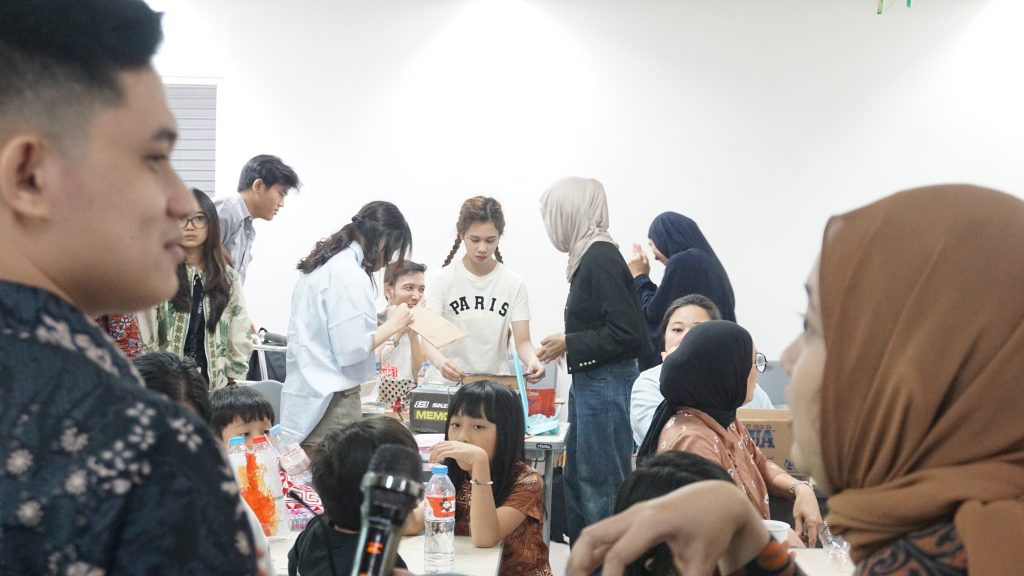
On August 17, Jakarta Academics Jakarta celebrated Indonesia’s Independence Day with approximately 100 students, parents, and teachers participating in the event.

The celebration started with a flag ceremony, followed by one of the most iconic parts of Indonesian Independence Day celebrations: the traditional 17 August competitions, or “lomba.”

The atmosphere quickly became lively and competitive.

Students and parents participated in various activities, including:

  • Kerupuk eating challenge
  • Marble race (lomba kelereng)
  • Wooden sandal race (lomba bakiak)
  • Archery competition
  • And several other fun activities

Although the competitions were designed primarily for fun, everyone quickly became invested in the games. There was cheering, there was competition, there was laughter, and, of course, there were some disappointments when someone lost. But that’s part of the experience.

More Than Just a School Event

For us, the Independence Day celebration wasn’t simply about organizing an offline event. It represented something much bigger.

Community.

Homeschooling students can have flexibility without having to sacrifice opportunities to connect with others. The flag ceremony, for example, provided an opportunity for students to participate in a meaningful Indonesian tradition.

For Indonesian students, understanding their roots and culture is an important part of growing up. Participating in an Independence Day ceremony allows students to experience that sense of national identity together with their peers, teachers, and families. It is not just about standing in front of a flag. It is about understanding where we come from and what brings us together.

What Can Students Learn From a Simple “Lomba”?

At first glance, traditional Independence Day competitions might seem like nothing more than games. But there are actually many lessons hidden within them.

Learning to Compete

Students experience healthy competition and learn how to work toward a goal.

Learning to Lose

Not everyone wins. Some students were disappointed. Some even cried after losing a competition. And that’s okay. One of the lessons we hope students take away from these experiences is simple:

You can lose, and that’s okay.

Winning isn’t always the most important outcome.

Learning how to handle disappointment, accept the result, and try again is also an important part of growing up.

Learning to Connect

Perhaps one of the most meaningful outcomes of the event was seeing students who had previously only interacted online finally meet one another in person.

Some students made new friends.

Others discovered shared interests.

Parents connected with other parents.

Teachers interacted with students outside the usual learning environment.

Slowly, a group of individual students began to feel more like a community.

Building Friendships Beyond the Classroom

One of the concerns people sometimes have about homeschooling is whether students have enough opportunities to socialize.

This concern comes from a common perception that homeschooling means students spend most of their time studying independently at home.

But socialization doesn’t have to happen in exactly the same way as it does in a traditional school.

Students can build friendships through:

  • School events
  • Group projects
  • Extracurricular activities
  • Online communities
  • Offline gatherings
  • Sports and competitions
  • Workshops and field activities

At Jakarta Academics, we believe that social interaction should be available, without being forced into a one-size-fits-all system. The Independence Day event showed us exactly why this matters. Students who wanted to participate could join. Students who preferred not to attend an offline event could continue with their preferred learning environment. That flexibility is one of the strengths of hybrid learning.

Homeschooling Does Not Have to Mean Learning Alone

Perhaps the biggest misconception we want to address is this:

Homeschooling means studying alone.

It doesn’t have to. Modern homeschooling and hybrid education can provide students with a combination of personalized learning, flexibility, digital education, and real-world experiences.

At Jakarta Academics, students can have the freedom to learn in a way that works for them while still having opportunities to become part of a community. For some students, that may mean spending most of their learning time online. For others, it may mean regularly joining onsite activities. And for some, it may mean a combination of both. There is no single correct way to learn.

The Freedom to Choose Is the Strength of Hybrid Learning

This is ultimately what we believe makes hybrid learning different from traditional education.

Instead of asking:

“Should students learn online or offline?”

We ask:

“What does this student need?”

If a student prefers a fully online learning experience, that option should be available. If another student wants to participate in onsite activities, they should have that opportunity too. And if a student wants both, hybrid learning makes that possible. The goal isn’t to remove the school experience. It is to redefine what the school experience can look like.

Breaking the Stigma Around Homeschooling

The Independence Day celebration at Jakarta Academics was a small example of something we see every day: homeschooling does not have to mean isolation. Our students can learn independently, build friendships, participate in community activities, and experience important moments together.

At the same time, we recognize that every student is different. Not every student wants to attend an onsite event, and they shouldn’t have to. That’s the freedom we want to provide.

Online when they need flexibility.
Offline when they want connection.
Hybrid when they want both.

Because education shouldn’t be about forcing every student into the same experience. It should be about creating an environment where every student has the freedom to learn, connect, and grow in the way that works best for them. And sometimes, that means putting down the laptop, joining a lomba with your friends, getting a little too competitive over a marble race, and celebrating Indonesia together.

Happy Independence Day from Jakarta Academics Jakarta and Bali. 🇮🇩