For some families, travelling is more than just a school holiday activity. It is part of everyday life.
Some parents travel regularly for work, while others love taking their children to explore new places. For expat families living in Bali, visiting their home country to spend time with relatives can also mean being away for several weeks.
Living in Bali offers plenty of opportunities for this kind of lifestyle. A weekend might be spent exploring another part of Indonesia, while a longer holiday could mean travelling overseas with the family.
But alongside all the excitement, many parents have one important question:
What happens to your child’s education when they cannot attend school because the family is travelling? Will they fall behind?
It is a reasonable concern. Parents want their children to experience the world, discover new interests, and spend quality time with family. At the same time, they want to make sure their children continue developing academically.
That is why choosing the right international school in Bali involves more than looking at the curriculum and teaching quality. It is also worth considering whether a school understands your family’s needs and can help your child maintain academic progress when circumstances change.
Contents
- When Family Schedules Don’t Always Follow a Routine
- What If Your Child Cannot Attend School in Person?
- Flexibility Doesn’t Mean Academics Come Second
- Why Personalised Learning Matters for Travelling Families
- Travelling Can Be a Learning Experience, Too
- How JA School Bali Supports Personalised Learning
- What Should You Ask When Choosing an International School in Bali?
- An Education That Supports Both Learning and Family Life
When Family Schedules Don’t Always Follow a Routine
Every family has a different routine. Some families plan their trips months in advance. Others need to travel because of work or family commitments outside Bali.
In these situations, a fixed school schedule can sometimes be challenging. When children miss school, they may miss important explanations, assignments, or classroom activities that are not always easy to make up later.
The issue is not that children cannot learn while travelling. What matters is how they continue receiving guidance and understanding the material they need to study. This is where flexible learning becomes important.
Flexible learning does not mean children can study whenever they want without any structure. Instead, it allows learning arrangements to take individual needs and circumstances into account while keeping academic goals, assignments, and progress in focus.
For families who travel regularly, this approach can help reduce the worry of returning home to a long list of missed lessons.
What If Your Child Cannot Attend School in Person?
Imagine your family needs to spend several days outside Bali. Your child cannot attend their usual classes, and you start wondering how much schoolwork they will miss.
The concern is not just about attendance. It is also about keeping up with the lessons.
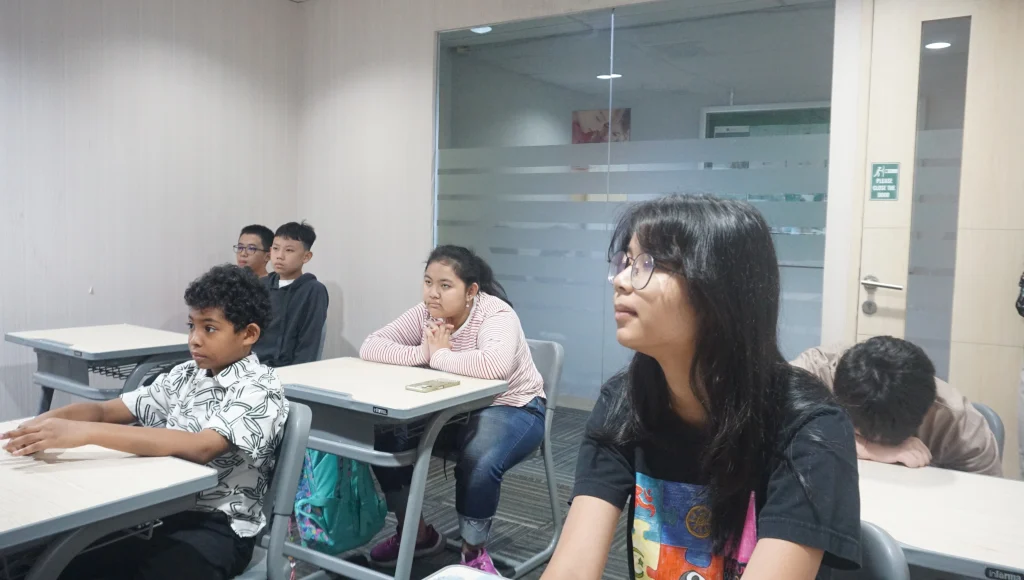
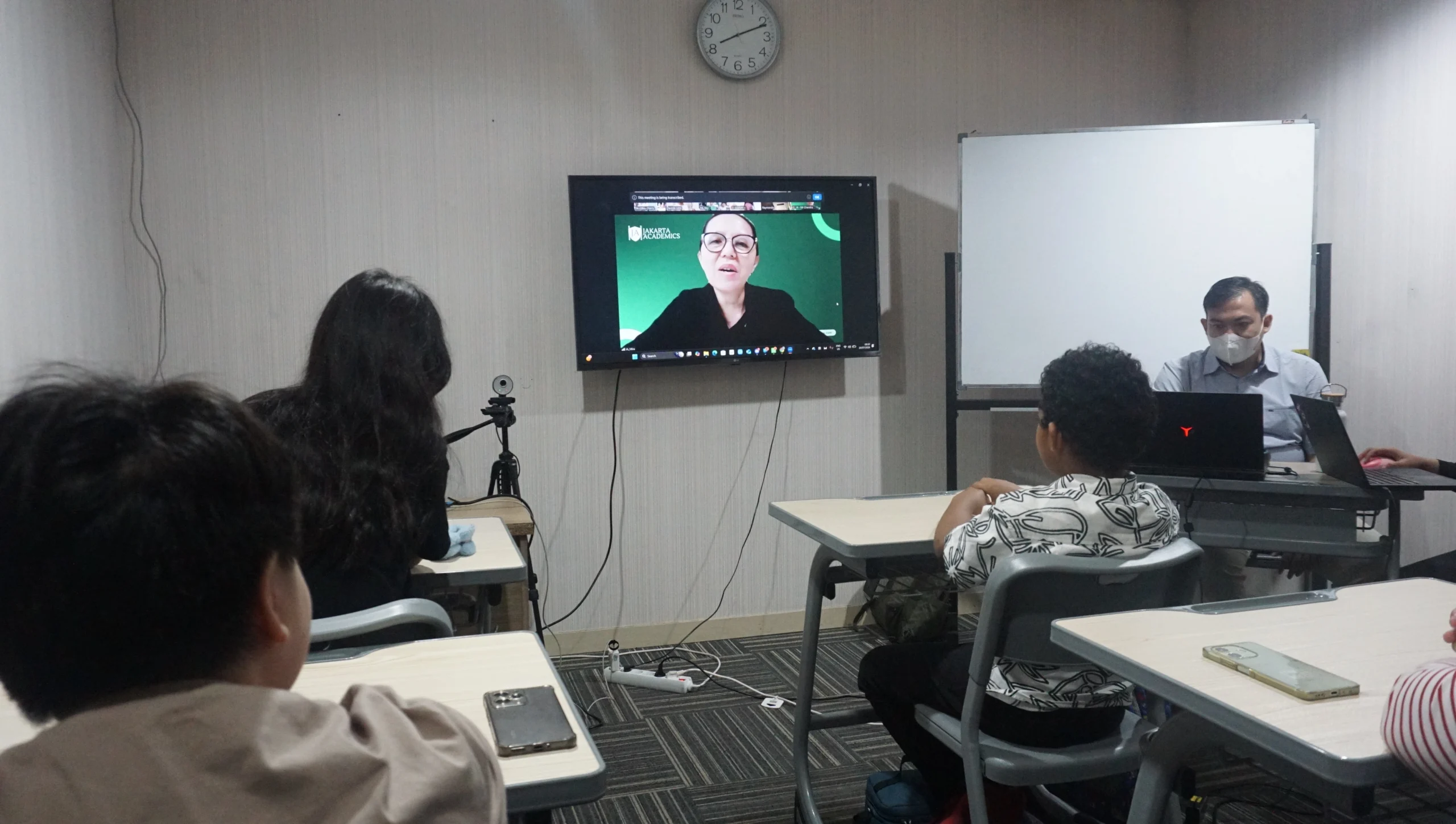
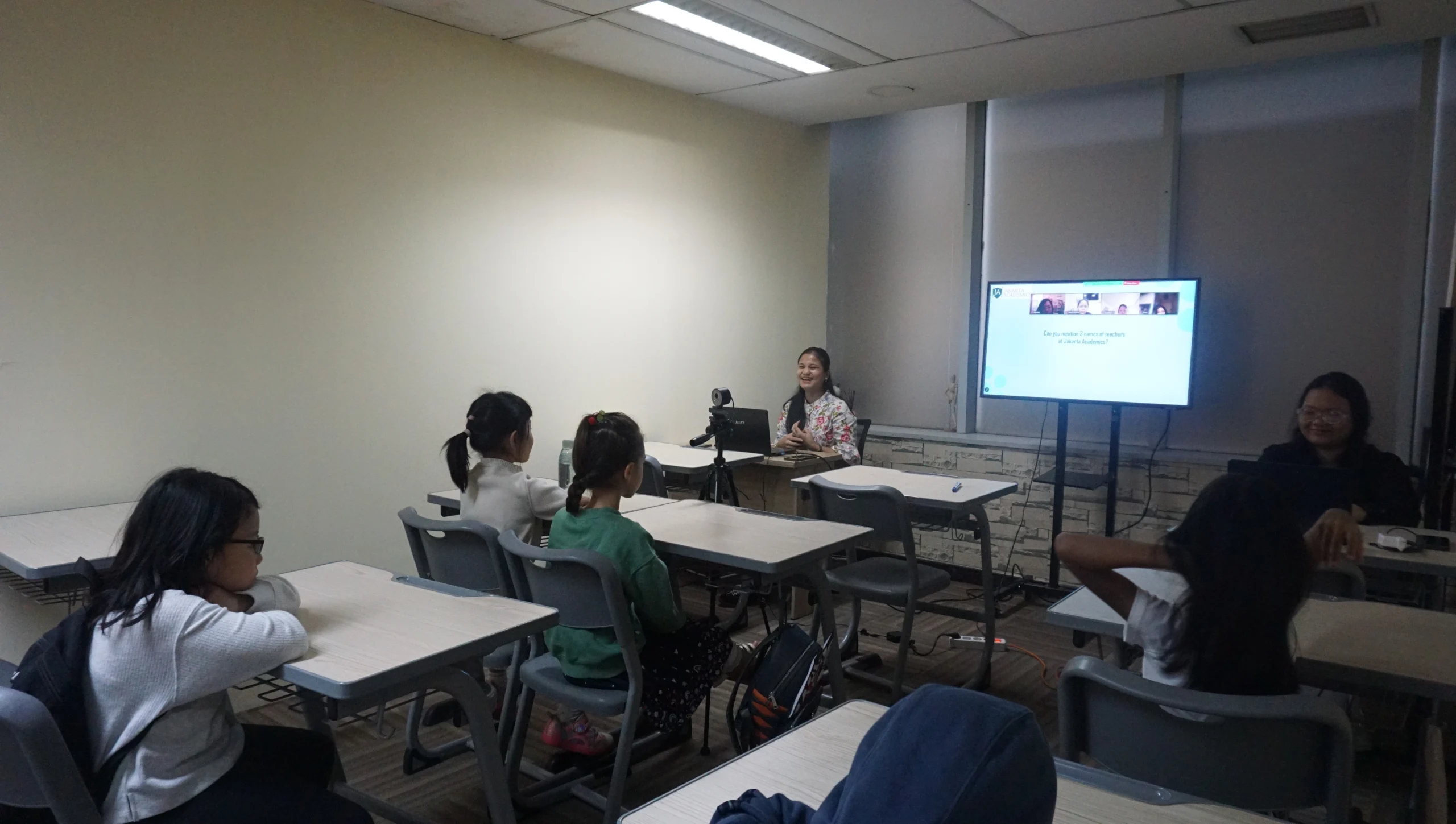
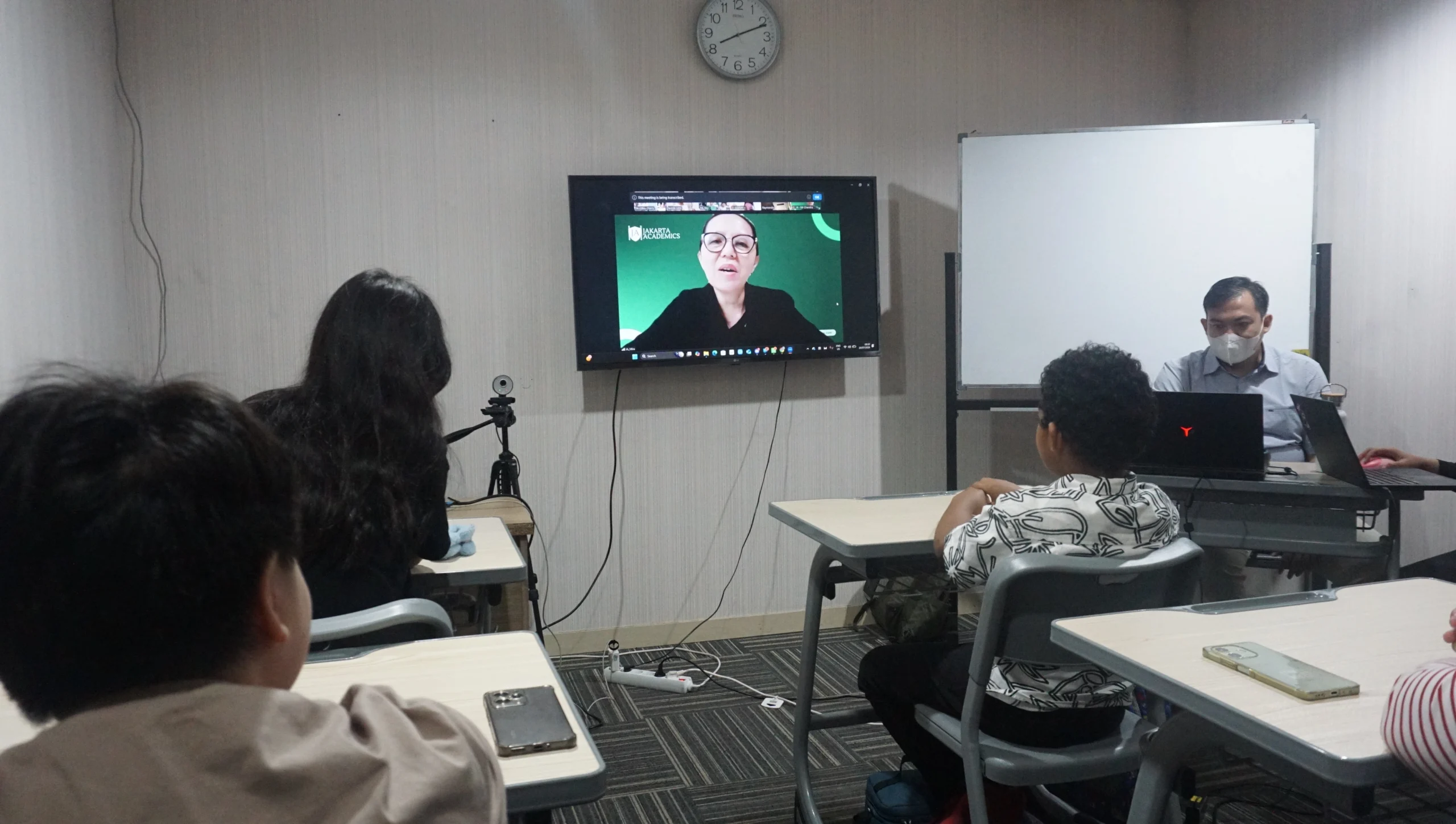
In certain circumstances, online learning support can help children stay connected with their education when they cannot physically attend school.
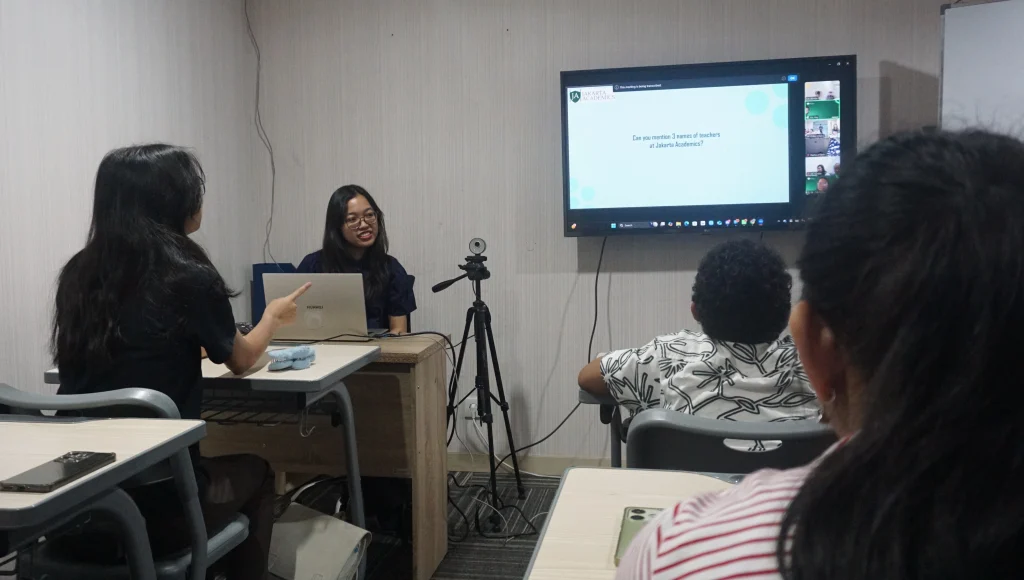
Where online classes are available and arranged with the school, students may be able to join lessons remotely. Learning materials and selected assignments can also help them continue working on topics covered in class.
With clear guidance, children do not necessarily have to wait until they return to school to begin catching up on everything they missed.
Of course, not every activity can be completed online. Some lessons, assessments, and practical activities may still require students to attend school in person. This is why discussing travel plans with the school in advance is important.
The goal is not to replace the classroom entirely. It is to help maintain continuity in learning when a student is unable to attend in person.
Flexibility Doesn’t Mean Academics Come Second
One concern parents may have about flexible learning is whether their children will still make consistent academic progress.
It is a fair question. Children still need structure, clear learning goals, and guidance to build their understanding step by step. That is why flexibility works best when it is supported by proper planning.
Before travelling, parents can discuss the upcoming schedule with the school, including the topics being covered, assignments that need to be completed, and any activities that may need to be followed up on after the child returns.
This gives children a clearer idea of what they need to do without making every family holiday feel like an extension of the school week.
It can also help children gradually develop responsibility. They learn to manage their time, complete tasks, and return to their learning routine after a change in schedule.
Ultimately, the goal is not simply to have a flexible timetable. It is to help children continue learning in a structured way, even when family circumstances change.
Why Personalised Learning Matters for Travelling Families
Every child learns differently. Some children pick up new concepts quickly but need more support with written assignments. Others are academically capable but need guidance to stay organised and manage their time.
When children miss a few days of school, these differences become even more important.
A child who is already confident working independently may be comfortable completing assignments on their own. Another child may need clearer guidance about which topics to prioritise and what to do next. This is where personalised learning can make a difference.
Teachers can pay closer attention to each student’s progress, strengths, and learning needs. This helps parents understand what their child has already mastered, which areas may need more attention, and what should be followed up on after returning to school.
It is also one reason some families consider an international microschool in Bali with smaller classes.
In a smaller learning environment, teachers have more opportunities to get to know their students personally. However, class size alone is not what matters most. The real value comes from how teachers use that individual attention to support each child’s development.
Travelling Can Be a Learning Experience, Too
Beyond keeping up with schoolwork, travelling gives children opportunities to learn from real-life experiences.
They might visit a museum, discover a historical landmark, try local food, or meet people from different backgrounds.
Even everyday experiences can spark curiosity. Visiting a local market can introduce children to numbers and different currencies. Exploring a new country may encourage an interest in geography, history, or the environment. Being surrounded by another language can also help children develop a greater appreciation for different cultures.
These experiences do not replace academic learning, but they can complement what children learn in school and help them see how knowledge connects to everyday life.
For parents, that is one of the rewarding parts of travelling with children. They are not simply visiting new places; they are also learning to become more independent, curious, and open to different perspectives.
With the right planning, these experiences can go hand in hand with a structured education.
How JA School Bali Supports Personalised Learning
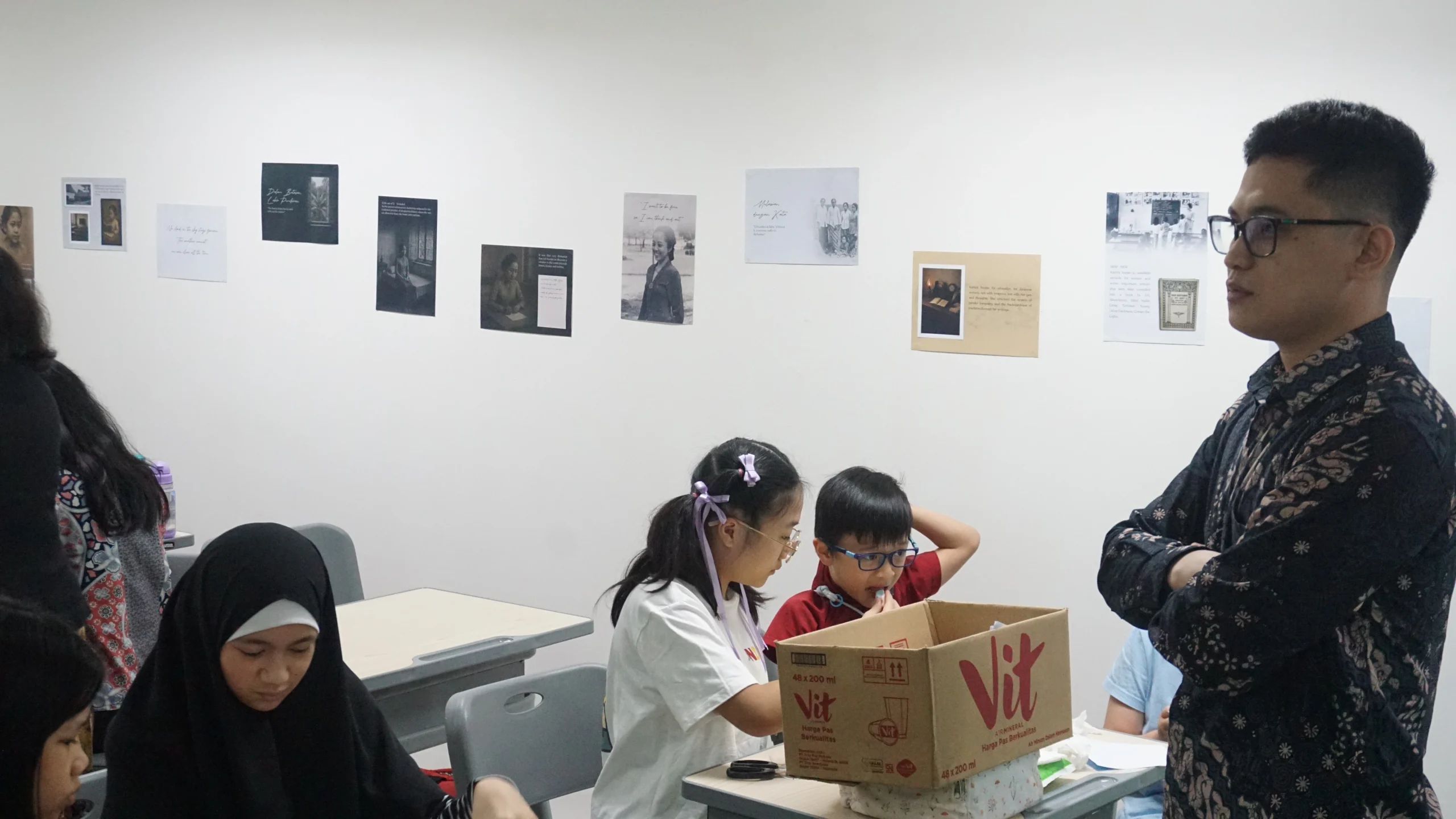
At JA School Bali, we understand that every family has different routines, priorities, and educational goals. Some families live in Bali throughout the year, while others have travel commitments because of work or family circumstances.
Located in Renon, Denpasar, JA School Bali is an international microschool offering Primary, Secondary, and High School education through the Pearson Edexcel International Curriculum.
Our approach focuses on smaller classes, an English-speaking environment, and personalised learning so that students can receive support that reflects their individual needs.
For families planning a trip, or when a student is unable to attend school in person, parents can discuss their circumstances with the school. Depending on the student’s needs, the topics being studied, and the arrangements available, learning support can be planned to help the student continue making academic progress.
Where online classes can be arranged, students may be able to join lessons remotely under the school’s applicable arrangements. Learning materials and selected assignments can also form part of a learning plan while they are away.
After returning to school, any outstanding work or topics that need further attention can be discussed with the teacher. This does not mean that every part of the school programme can be completed remotely. Classroom attendance, direct interaction with teachers, and certain academic activities remain important parts of a child’s education.
The aim is to find a balance between family flexibility and students’ academic development, supported by communication between parents and the school.
What Should You Ask When Choosing an International School in Bali?
If your family has a busy or unpredictable travel schedule, there are a few useful questions to ask when visiting a school.
How does the school handle planned absences? Can students attend online classes when they cannot be physically present? Are learning materials and assignments available to help them continue studying? And how do teachers support students who need to catch up after returning?
The answers can help you understand whether a school’s approach suits your family’s needs.
It is also important to understand the school’s arrangements and limitations. Not every school offers the same level of flexibility, and learning plans may depend on the academic schedule and the individual student’s circumstances.
Discussing these details early can help parents plan their travels with greater confidence while keeping their child’s education in focus.
An Education That Supports Both Learning and Family Life
Choosing a school is about more than finding a good place for your child to study. For families who travel regularly, another question matters: can the school help your child continue learning when your family’s routine changes?
Children still need a clear curriculum, supportive teachers, and meaningful academic goals. But they also need opportunities to explore the world, spend time with family, and grow through new experiences.
The two do not always have to compete.
With good communication, thoughtful learning plans, and appropriate guidance, families can work towards a balance between travel, everyday life, and education.
Because a good education is not only about completing lessons. It is also about helping children continue learning, growing, and understanding the world around them.
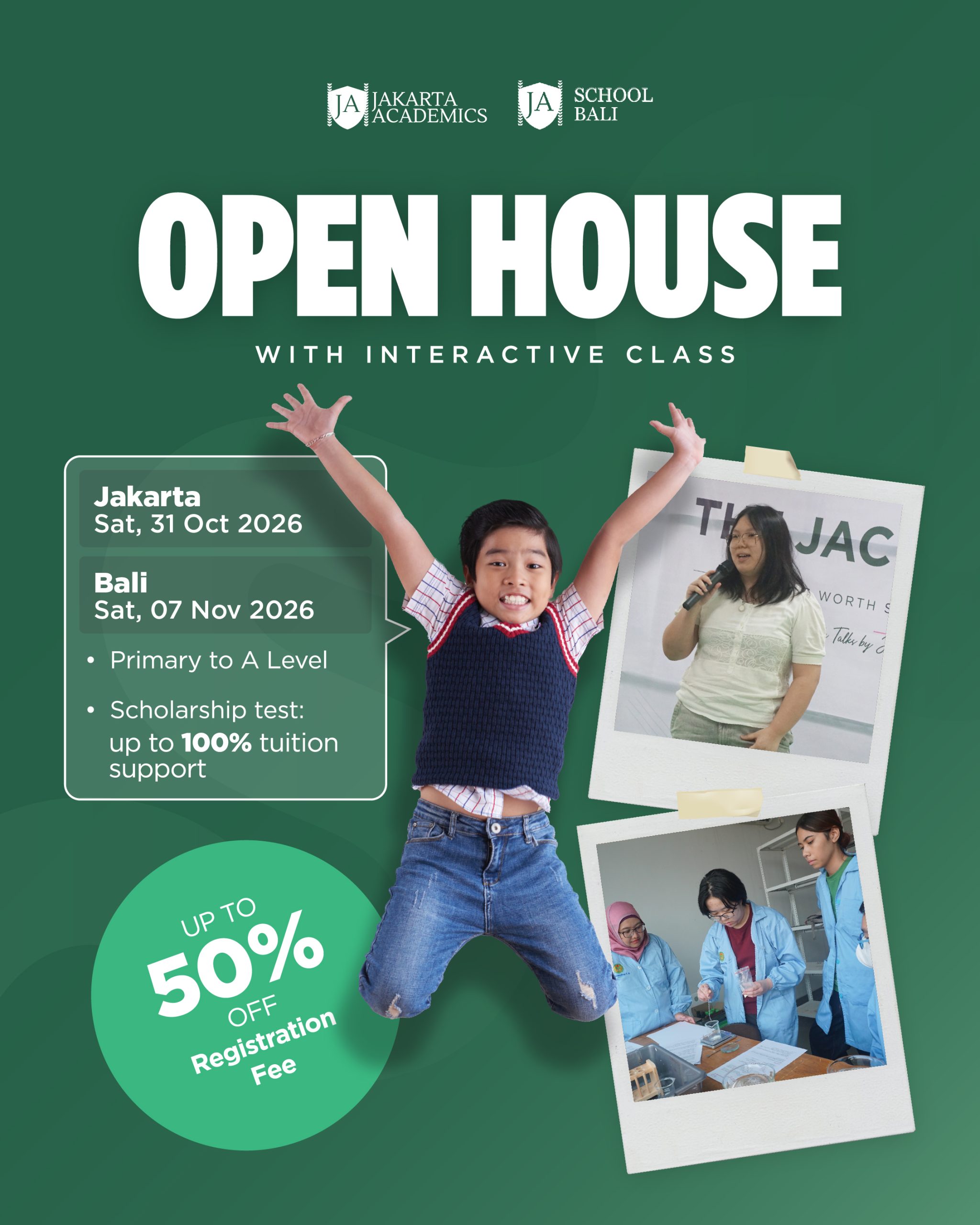
If you are looking for an international school in Bali that values personalised learning and want to explore how your family’s travel needs might be accommodated, visiting JA School Bali could be a helpful first step.