Bali telah menjadi rumah bagi ribuan keluarga internasional dari berbagai negara. Ada yang datang karena pekerjaan, ada yang menjalankan bisnis sendiri, dan ada juga yang memilih Bali karena kualitas hidup yang ditawarkan. Lingkungan yang lebih santai, komunitas internasional yang beragam, serta berbagai aktivitas untuk keluarga membuat Bali menjadi tempat yang menarik untuk membesarkan anak.
Namun setelah urusan tempat tinggal selesai, biasanya muncul satu pertanyaan yang cukup besar : Sekolah mana yang paling cocok untuk anak saya?. Menariknya, banyak expat parents yang awalnya mencari sekolah berdasarkan nama besar atau fasilitas, justru berubah pikiran setelah mulai mengunjungi beberapa sekolah secara langsung.
Mereka mulai bertanya hal yang berbeda seperti :
- Apakah guru benar-benar mengenal setiap siswa?
- Apakah anak saya akan merasa nyaman di lingkungan ini?
- Apakah kebutuhan belajar anak saya akan diperhatikan?
Pertanyaan-pertanyaan inilah yang membuat banyak keluarga mulai melirik sekolah dengan pendekatan yang lebih personal.
Tidak Semua Anak Berkembang di Lingkungan yang Sama
Setiap anak memiliki karakter yang berbeda. Ada anak yang sangat percaya diri dan mudah beradaptasi dengan lingkungan baru. Ada juga yang membutuhkan waktu lebih lama untuk merasa nyaman, mengenal teman baru, atau berbicara di depan kelas. Bagi keluarga expat, proses adaptasi ini sering kali menjadi tantangan tambahan. Anak tidak hanya berpindah sekolah. Mereka juga berpindah lingkungan, budaya, bahasa, bahkan cara belajar.
Karena itu, banyak orang tua mulai menyadari bahwa lingkungan belajar yang tepat sama pentingnya dengan kurikulum yang digunakan. Sekolah yang baik bukan hanya tempat untuk belajar matematika atau sains. Sekolah juga harus menjadi tempat di mana siswa merasa aman, didukung, dan percaya diri untuk berkembang.
Kenapa Small Class Size Menjadi Semakin Populer?
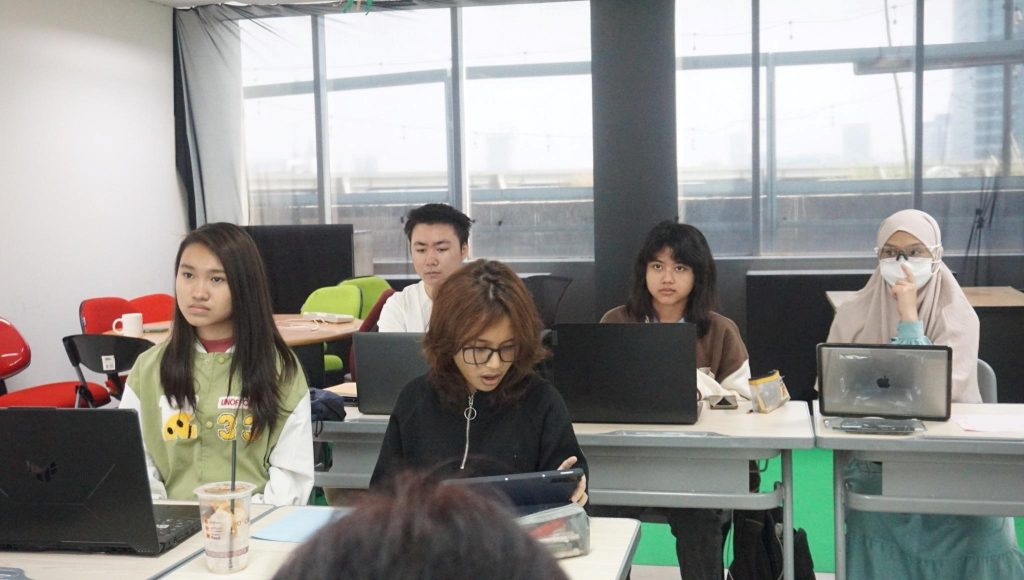
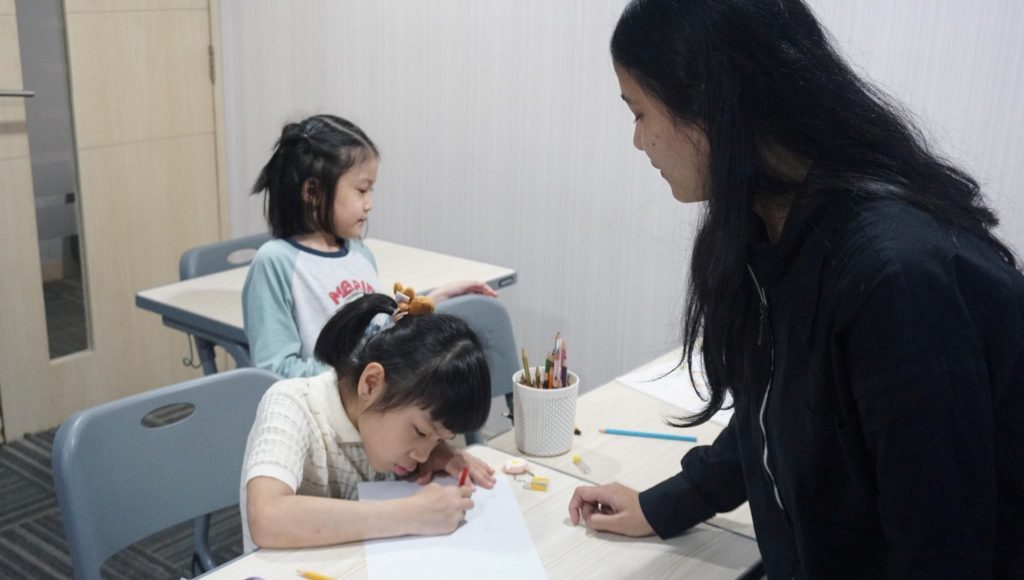
Salah satu tren yang semakin terlihat di kalangan expat families adalah meningkatnya minat terhadap sekolah dengan ukuran kelas yang lebih kecil. Alasannya cukup sederhana. Dalam kelas yang lebih kecil, guru memiliki lebih banyak kesempatan untuk mengenal siswa secara individual. Mereka bisa memahami kekuatan, tantangan, dan gaya belajar setiap anak dengan lebih baik.
Ketika seorang siswa mengalami kesulitan dalam pelajaran tertentu, guru dapat memberikan perhatian yang lebih cepat. Ketika seorang siswa memiliki potensi di bidang tertentu, guru juga lebih mudah membantu mengembangkannya. Bagi banyak orang tua, hal ini memberikan rasa tenang karena mereka tahu anak mereka tidak hanya menjadi salah satu dari banyak siswa di dalam kelas.
Pembelajaran yang Lebih Personal, Bukan Berarti Lebih Mudah
Ada anggapan bahwa pendekatan belajar yang personal berarti standar akademiknya lebih rendah, padahal kenyataannya justru sebaliknya. Pembelajaran yang personal bukan berarti memberikan tugas yang lebih mudah. Tapi pembelajaran yang personal itu bagaimana memahami cara terbaik setiap siswa untuk mencapai potensinya.
Karena beberapa siswa belajar lebih baik melalui diskusi. Sebagian lainnya lebih memahami materi melalui proyek dan praktik langsung. Ada juga yang membutuhkan pendekatan berbeda untuk membangun rasa percaya diri mereka. Ketika guru memahami kebutuhan tersebut, proses belajar menjadi jauh lebih efektif.
Apa yang Dicari Orang Tua Saat Ini?
Dulu banyak orang tua fokus pada nilai akademik, tapi hari ini banyak yang mulai melihat gambaran yang lebih besar.
Mereka ingin anak-anak mereka memiliki:
- Kemampuan komunikasi yang baik
- Kepercayaan diri
- Kemampuan berpikir kritis
- Kreativitas
- Kemampuan bekerja sama
- Kemandirian dalam belajar
Kemampuan-kemampuan ini tidak selalu muncul hanya melalui hafalan atau ujian. Kemampuan tersebut berkembang melalui lingkungan belajar yang mendukung siswa untuk aktif berpartisipasi dan berani menyampaikan ide.
Kurikulum Tetap Penting Dalam Sekolah
Meskipun pendekatan belajar yang personal semakin dicari, kurikulum tetap menjadi fondasi yang sangat penting. Banyak expat families memilih sekolah yang menggunakan kurikulum internasional karena memberikan jalur pendidikan yang jelas dan diakui secara global.
Salah satu kurikulum yang semakin banyak digunakan oleh sekolah internasional di berbagai negara adalah Pearson Curriculum dari UK. Kurikulum ini dirancang untuk membantu siswa mengembangkan kemampuan akademik yang kuat sekaligus keterampilan yang relevan untuk masa depan.
Melalui jalur :
- Primary School
- Secondary School
- IGCSE
- A Level
siswa memiliki roadmap pendidikan yang jelas hingga jenjang universitas. Hal ini menjadi salah satu alasan mengapa banyak keluarga internasional merasa lebih nyaman dengan sistem pendidikan yang berasal dari Inggris.
Kenapa Banyak Expat Families Memilih Bali untuk Pendidikan Anak?
Alasan setiap keluarga tentu berbeda-beda. Ada yang datang karena pekerjaan, ada yang mencari gaya hidup yang lebih seimbang, dan ada juga yang ingin memberikan pengalaman yang berbeda untuk anak-anak mereka.
Yang menarik, banyak orang tua merasa bahwa Bali memberikan kesempatan bagi anak untuk tumbuh di lingkungan yang lebih internasional. Mereka tidak hanya belajar di dalam kelas, tetapi juga belajar memahami berbagai budaya, cara berpikir, dan kebiasaan dari teman-teman mereka sehari-hari.
Banyak keluarga merasa pengalaman seperti ini sama pentingnya dengan pelajaran akademik. Karena pada akhirnya, pendidikan bukan hanya tentang nilai di rapor, tetapi juga tentang bagaimana anak berkembang menjadi pribadi yang percaya diri, terbuka, dan siap menghadapi dunia yang terus berubah.
Kenapa Hubungan antara Guru dan Siswa Menjadi Semakin Penting?
Saat berbicara tentang pendidikan, banyak orang tua fokus pada kurikulum, nilai akademik, atau fasilitas sekolah. Namun ada satu faktor yang sering kali memberikan dampak besar terhadap perkembangan siswa, yaitu hubungan antara guru dan siswa. Ketika seorang guru benar-benar mengenal siswanya, proses belajar menjadi jauh lebih efektif.
Guru dapat memahami kekuatan yang dimiliki siswa, area yang perlu dikembangkan, hingga cara belajar yang paling sesuai untuk mereka. Bagi siswa yang baru pindah ke Bali atau sedang beradaptasi dengan lingkungan baru, hubungan yang positif dengan guru sering kali membantu mereka merasa lebih nyaman dan percaya diri di sekolah.
Inilah salah satu alasan mengapa banyak expat families mulai mencari sekolah dengan ukuran kelas yang lebih kecil dan pendekatan yang lebih personal. Mereka ingin anak mereka tidak hanya dikenal melalui nilai akademik, tetapi juga sebagai individu dengan potensi dan kebutuhan yang unik.
Bagaimana dengan JA School Bali?
Di JA School Bali, kami percaya bahwa setiap anak memiliki cara belajar, minat, dan potensi yang berbeda. Karena itu, kami menggabungkan Pearson Curriculum dari UK dengan pendekatan pembelajaran yang lebih personal untuk membantu setiap siswa berkembang secara maksimal.
Program kami mencakup :
- Primary School
- Secondary School
- IGCSE
- A Level
Dengan ukuran kelas yang lebih kecil, guru memiliki kesempatan untuk mengenal siswa lebih dekat dan memberikan dukungan yang sesuai dengan kebutuhan mereka.
Selain fokus pada akademik, siswa juga didorong untuk membangun keterampilan yang akan berguna di masa depan seperti komunikasi, critical thinking, problem solving, leadership, dan collaboration.
Kami percaya bahwa pendidikan yang baik tidak hanya membantu siswa mendapatkan hasil akademik yang baik, tetapi juga membantu mereka menemukan kepercayaan diri dan potensi terbaik dalam diri mereka.
Memilih Sekolah yang Tepat Bukan Tentang Mencari yang Terbesar
Saat memilih sekolah, mudah untuk terfokus pada gedung yang besar, fasilitas yang lengkap, atau jumlah siswa yang banyak. Namun bagi banyak expat families di Bali pertanyaannya justru lebih sederhana, Apakah anak saya akan berkembang di sini?.
Karena pada akhirnya, sekolah yang tepat bukan selalu yang terbesar atau paling terkenal. Sekolah yang tepat adalah sekolah yang mampu memahami kebutuhan setiap siswa, membantu mereka berkembang dengan percaya diri, dan mempersiapkan mereka untuk masa depan yang penuh peluang.