Education is changing – and fast.
For years, most school systems followed a similar structure: same curriculum, same space, same expectations for every student. It worked for some, but not for all. Today, more parents and educators are starting to question whether a one-size-fits-all approach really supports how students learn best.
There is a growing understanding that every child learns differently – and that these differences should be supported, not forced into a fixed system.
In the middle of this shift, one model is quietly gaining momentum around the world: micro schools.
What Is a Micro School?
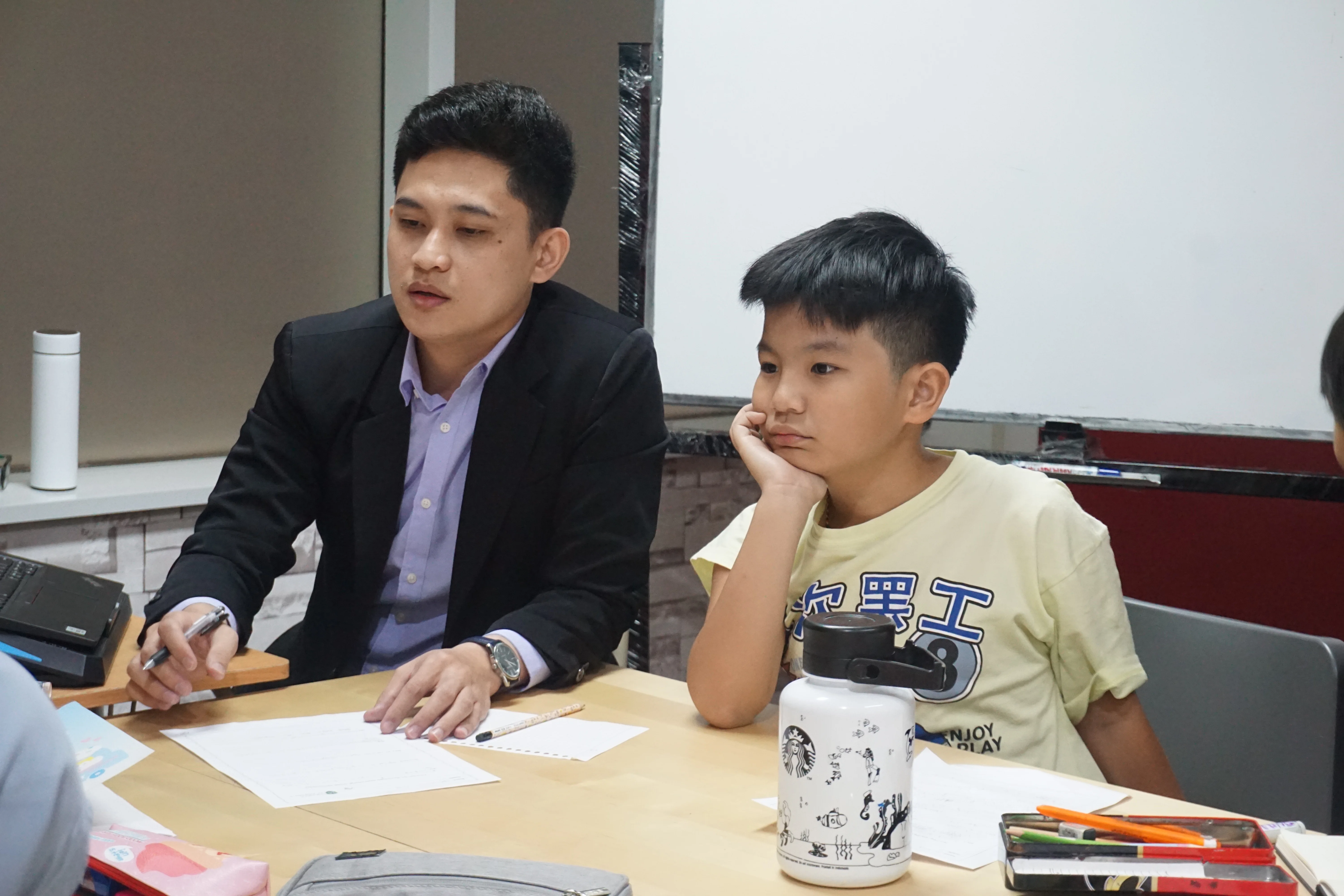
A micro school is not just a smaller version of a traditional school. It is a different approach to learning.
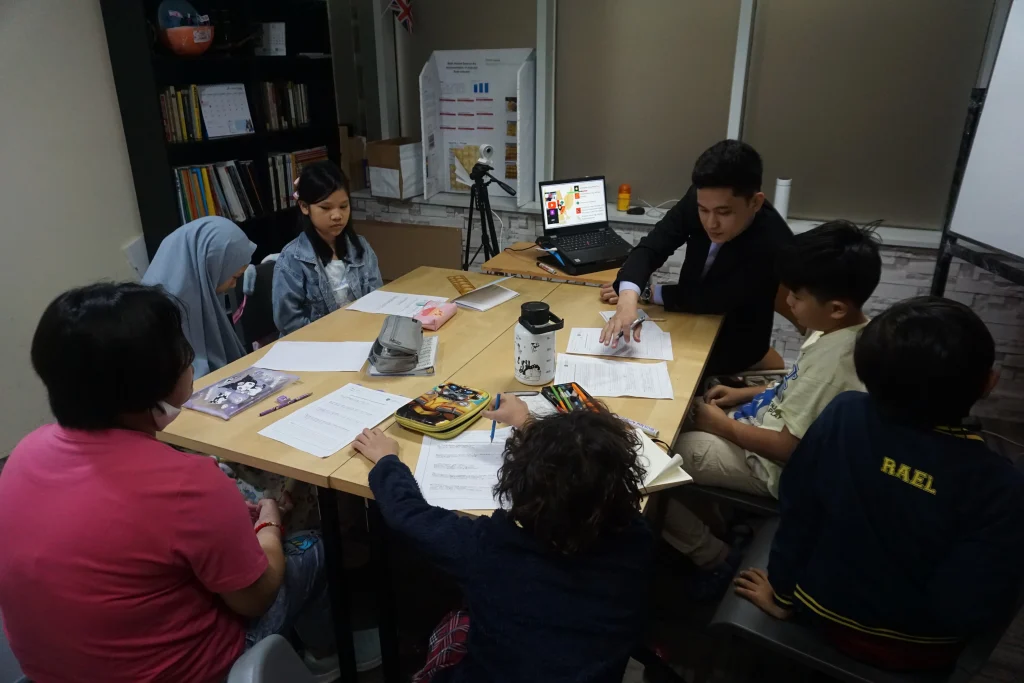
Yes, the class sizes are smaller – but what really sets micro schools apart is how learning happens.
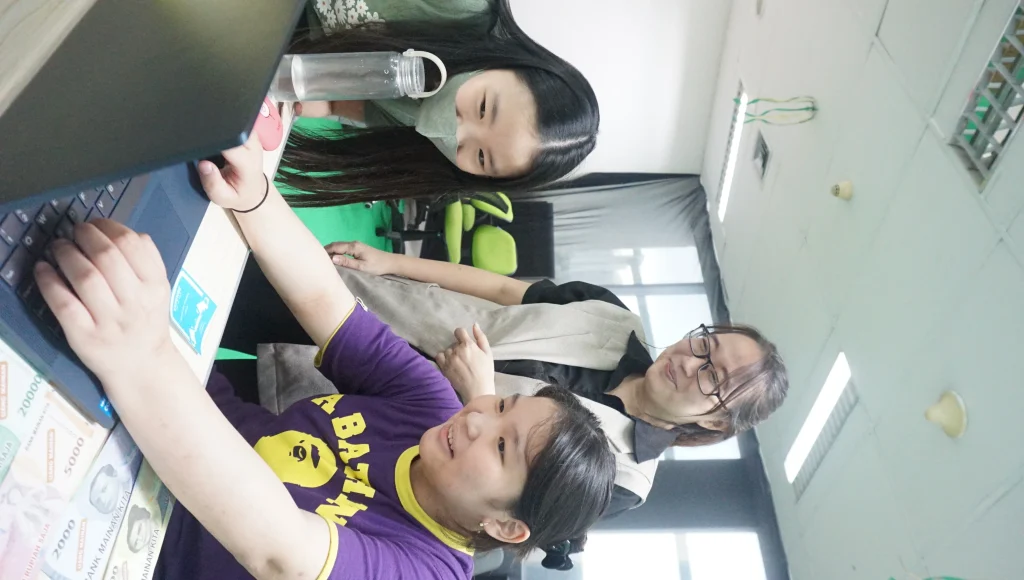
With fewer students, teachers are able to:
- Pay closer attention to each student
- Adjust how they teach based on individual needs
- Support students more consistently
In many cases, micro schools also use more flexible learning structures, such as:
- Multi-age classrooms
- Self-paced learning
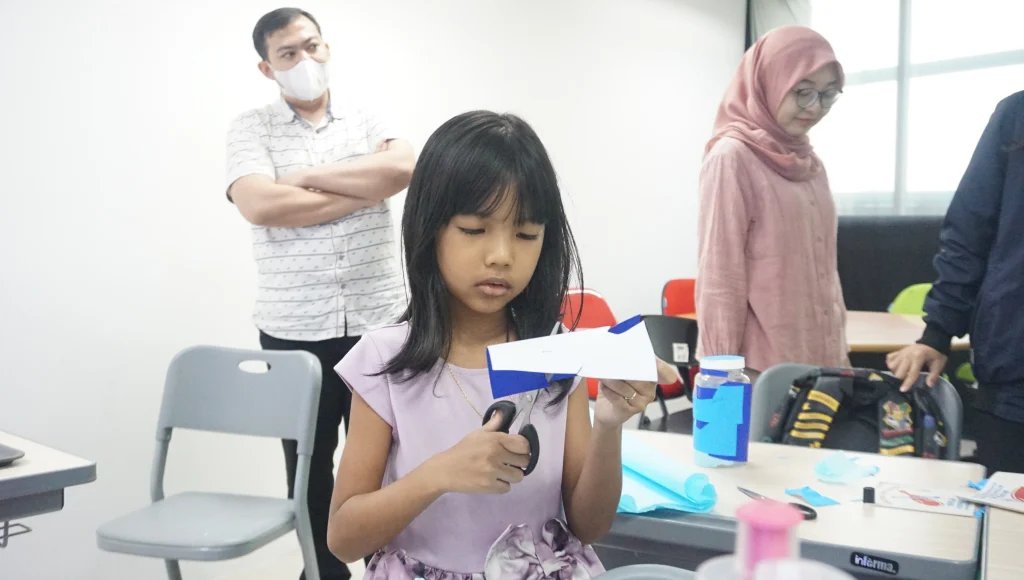
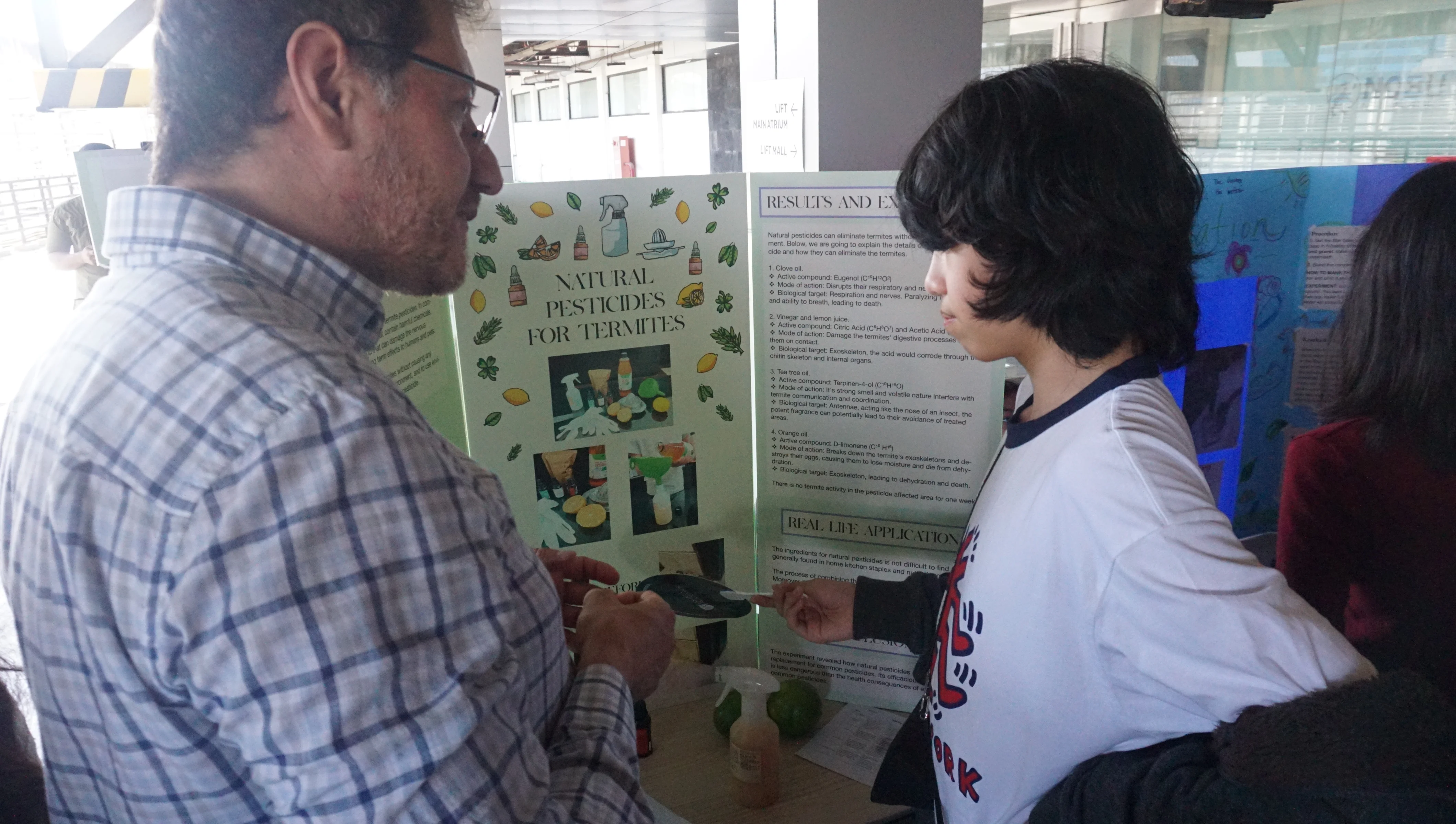
- Project-based activities
These are not just structural changes, they change how students experience learning every day.
Instead of rushing through topics, students are given the time to actually understand, ask questions, and engage more deeply.
Why Are More Families Considering Micro Schools?
Contents
1. They are built to solve real problems
Many micro schools didn’t start as trends – they started as solutions.
Parents were looking for alternatives because their children:
- Needed more support academically
- Felt overlooked in larger classrooms
- Struggled to stay engaged
Micro schools are often designed with these exact challenges in mind, instead of trying to fit every student into the same system.
2. Learning is centered around the student
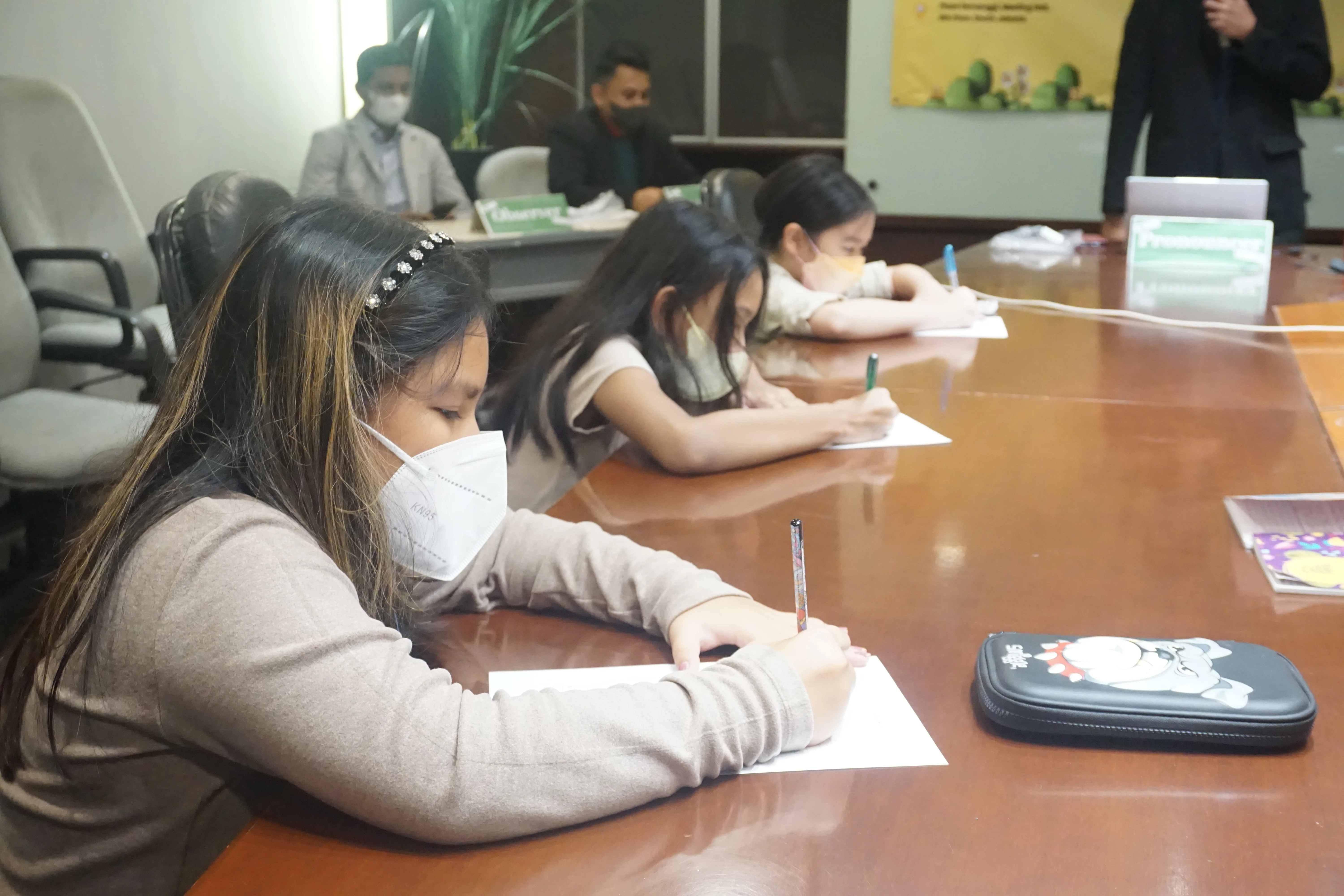
In traditional schools, the structure is usually fixed. Students are expected to keep up with the system.
Micro schools tend to flip this.
Students learn based on their level of understanding, not just their age or the school calendar. This means:
- Students who need more time can learn without pressure
- Students who are ready can move ahead without being held back
Over time, this leads to stronger understanding – not just finishing the syllabus.
3. Success is not just about grades
Academic results still matter, but they are not the only focus.
Many micro schools also prioritise:
- Critical thinking
- Problem-solving
- Communication skills
- Confidence
This reflects a bigger shift in how people view education – not just as preparation for exams, but for real life.
4. Students are more engaged
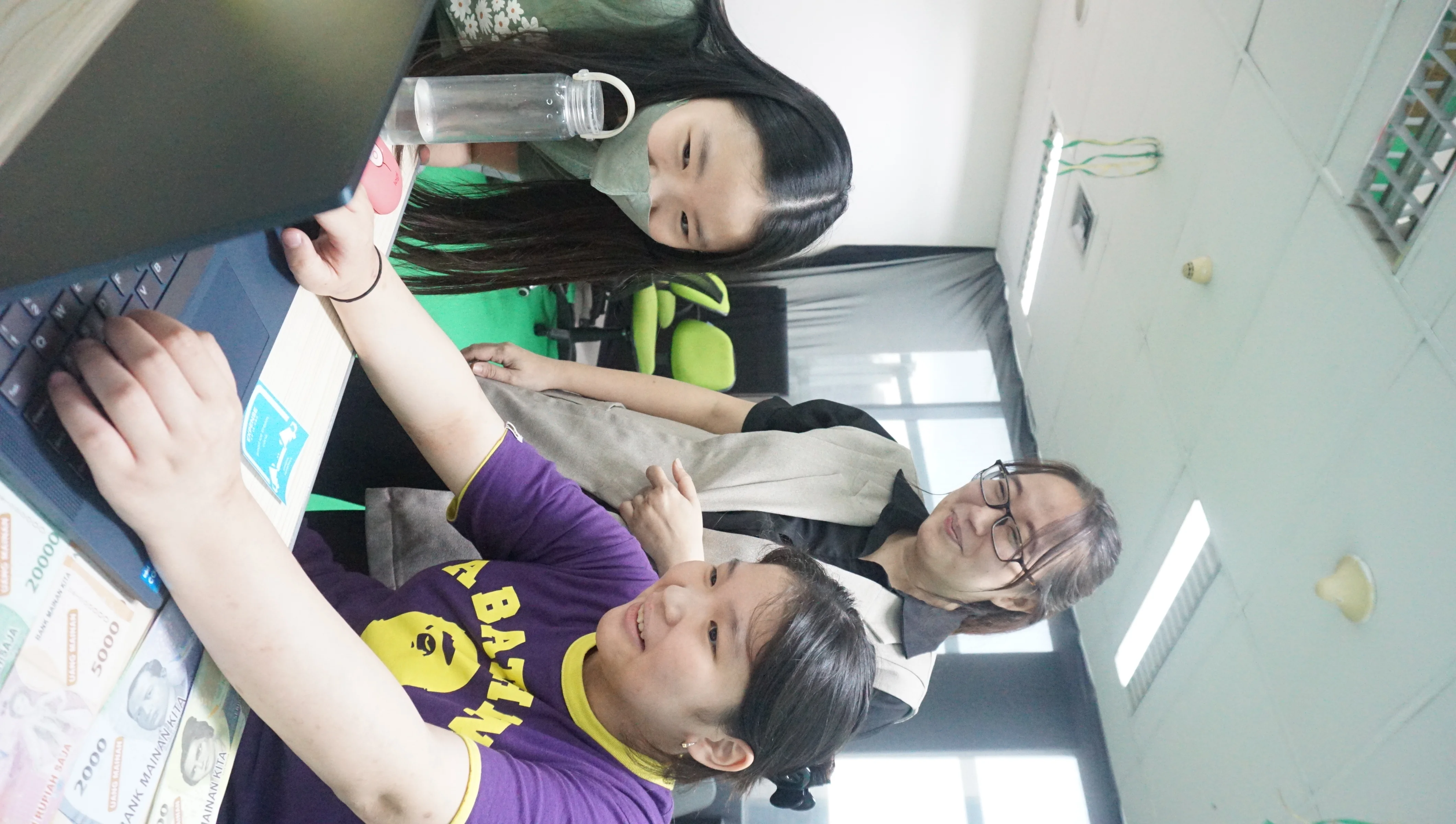
In smaller environments, students are more visible.
They are more likely to:
- Participate in discussions
- Ask questions
- Build stronger relationships with teachers
Engagement becomes more natural, not something that needs to be forced.
5. Learning becomes more flexible
Micro schools are not tied to one rigid structure.
They often include:
- Hybrid learning (online + offline)
- Flexible schedules
- Real-world, project-based learning
This makes learning feel more relevant and less repetitive.
6. Parents are becoming more intentional
Another big shift is how parents choose schools.
It’s no longer just about reputation or convenience. More families are asking:
- Is this the right environment for my child?
- Will my child feel supported here?
- Does this match how my child learns?
Micro schools are growing because they align with more thoughtful, personalised decision-making.
Is This Just a Trend?
Micro schools are often described as a trend – but they are part of something bigger.
Education is slowly moving towards:
- Personalised learning
- Flexible pathways
- More engaged, independent students
Micro schools reflect all of these changes. That’s why their relevance continues to grow.
Where Jakarta Academics Fits In
At Jakarta Academics, this approach is not about being different for the sake of it – it is about responding to what students actually need.
With:
- Smaller learning environments
- A flexible hybrid structure
- Internationally recognised curriculum pathways
the goal is to create a space where students can both achieve academically and grow personally.
Students are supported not just in what they learn, but in how they learn – building confidence, clarity, and independence along the way.
Final Thoughts
The rise of micro schools shows that education is no longer just about delivering content.
It’s about creating the right environment for each student to learn, grow, and stay engaged.
For many families, micro schools are not just an alternative – they are a better fit for how learning is evolving.
Want to Learn More?
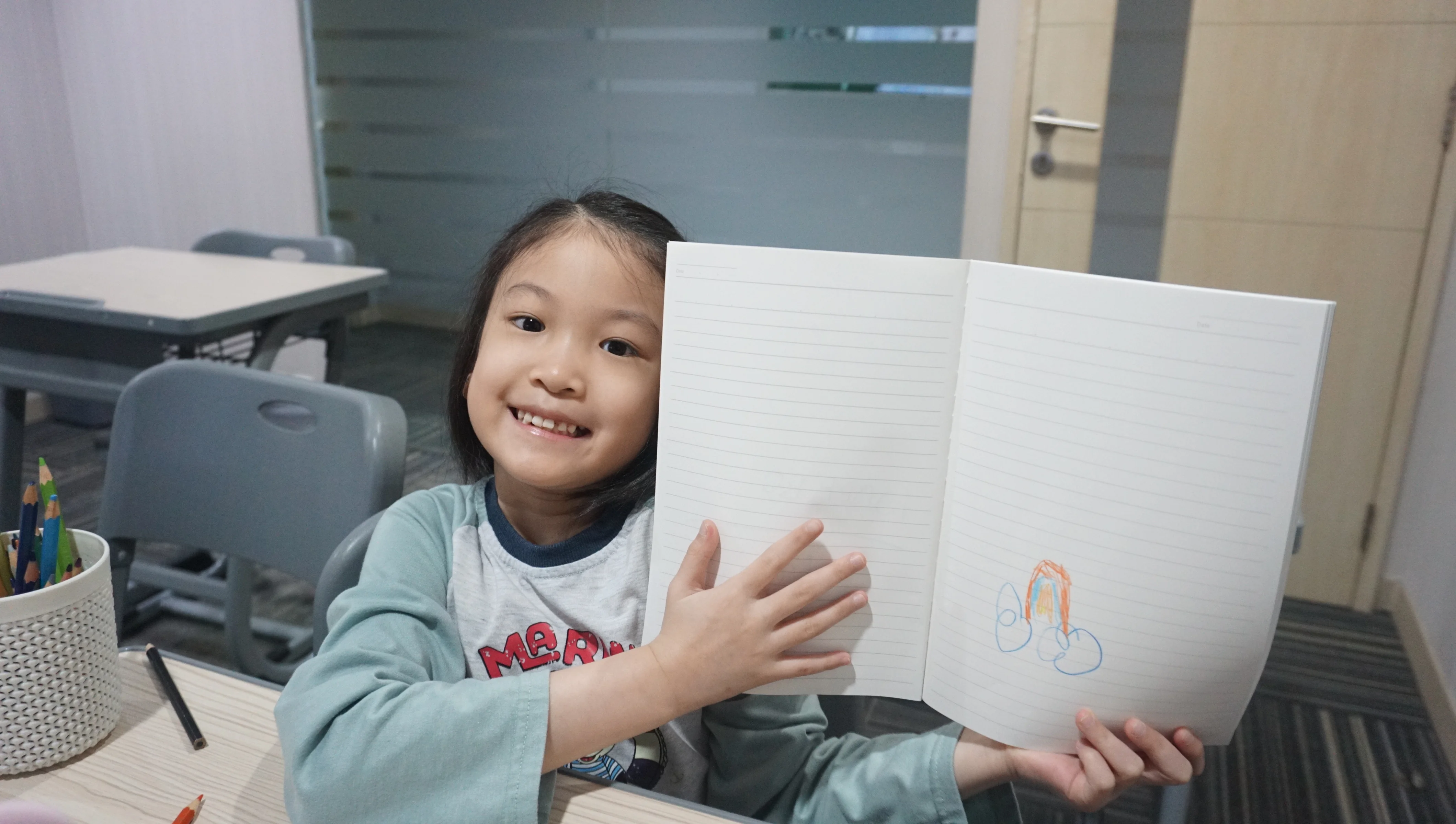
Every student is different – and the right environment can make a significant difference in how they learn and grow.
If you’re exploring a more personalised and flexible approach, you can reach out to the Jakarta Academics admission team to learn more about how they support each student’s learning journey.