Jakarta Academics: A More Flexible Way to Do International Education in Indonesia

Choosing a school is one of the biggest decisions you’ll make for your child. And let’s be honest: a traditional school doesn’t suit every student. Some kids need more flexibility. Some need more attention. Some just learn differently. That’s why more families in Indonesia are looking at hybrid schooling and international homeschooling.

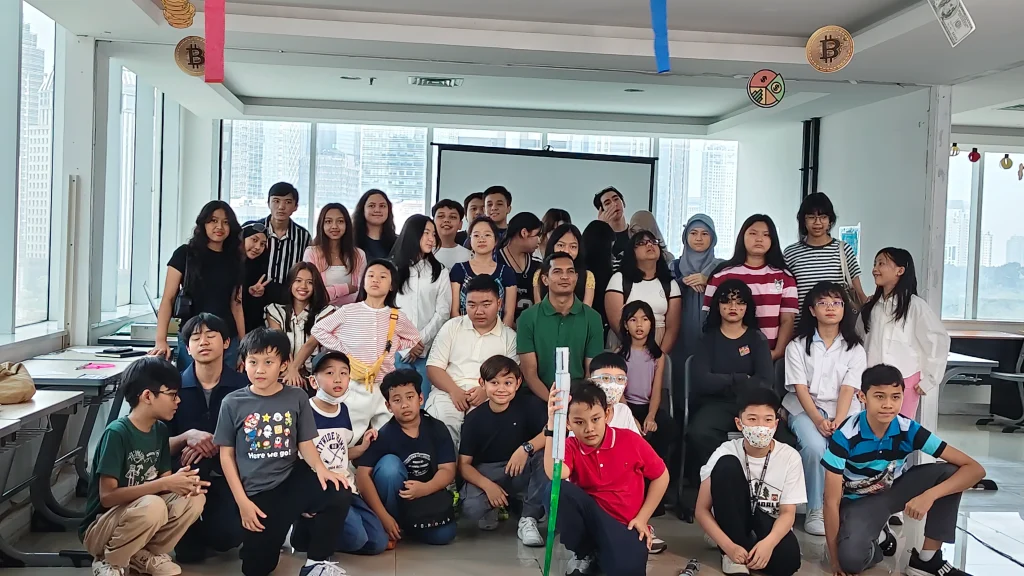
Jakarta Academics is an international education provider offering UK curriculum pathways, personalised support and flexible ways to learn. More than 1,000 families worldwide trust us. We run hybrid school and international homeschooling programmes, plus a microschool in Bali, with small classes and Pearson Edexcel qualifications that are recognised internationally.

What Makes Us Different

We believe education should adapt to the student, not the other way around.

Every learner has their own strengths, interests and goals. Some thrive in a classroom. Others do better with more flexibility, more one-to-one attention, or the time to pursue sports, music and other passions alongside their studies.

We’re based in Jakarta and Bali, and we teach students aged 6–19 through three models: hybrid school, international homeschooling and a microschool in Bali. The aim is simple. We want students to have a supportive place where they can learn at their own pace, build a solid understanding of the core subjects, and work towards qualifications that count around the world.

Hybrid Schooling: International Education With Room to Breathe

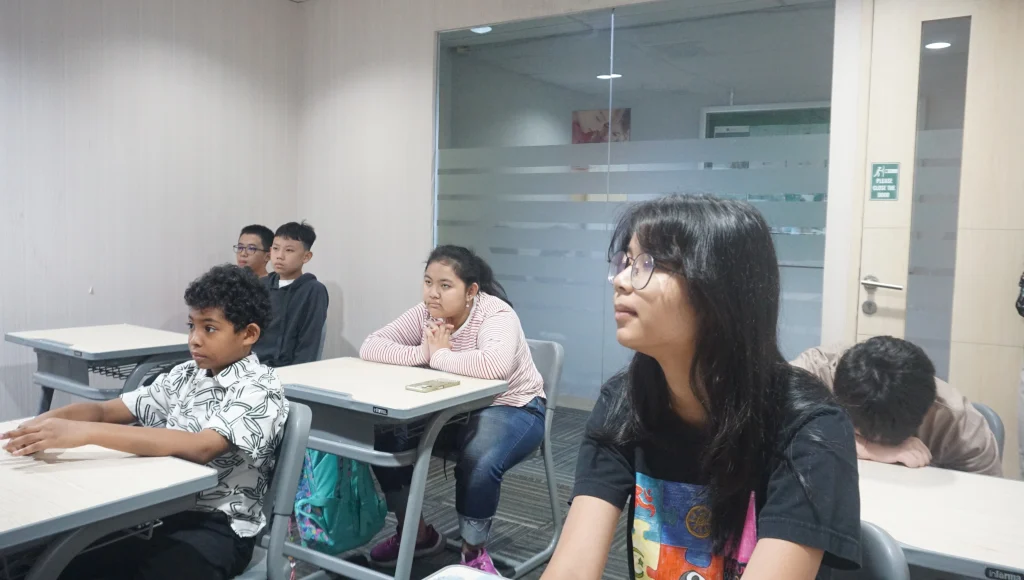
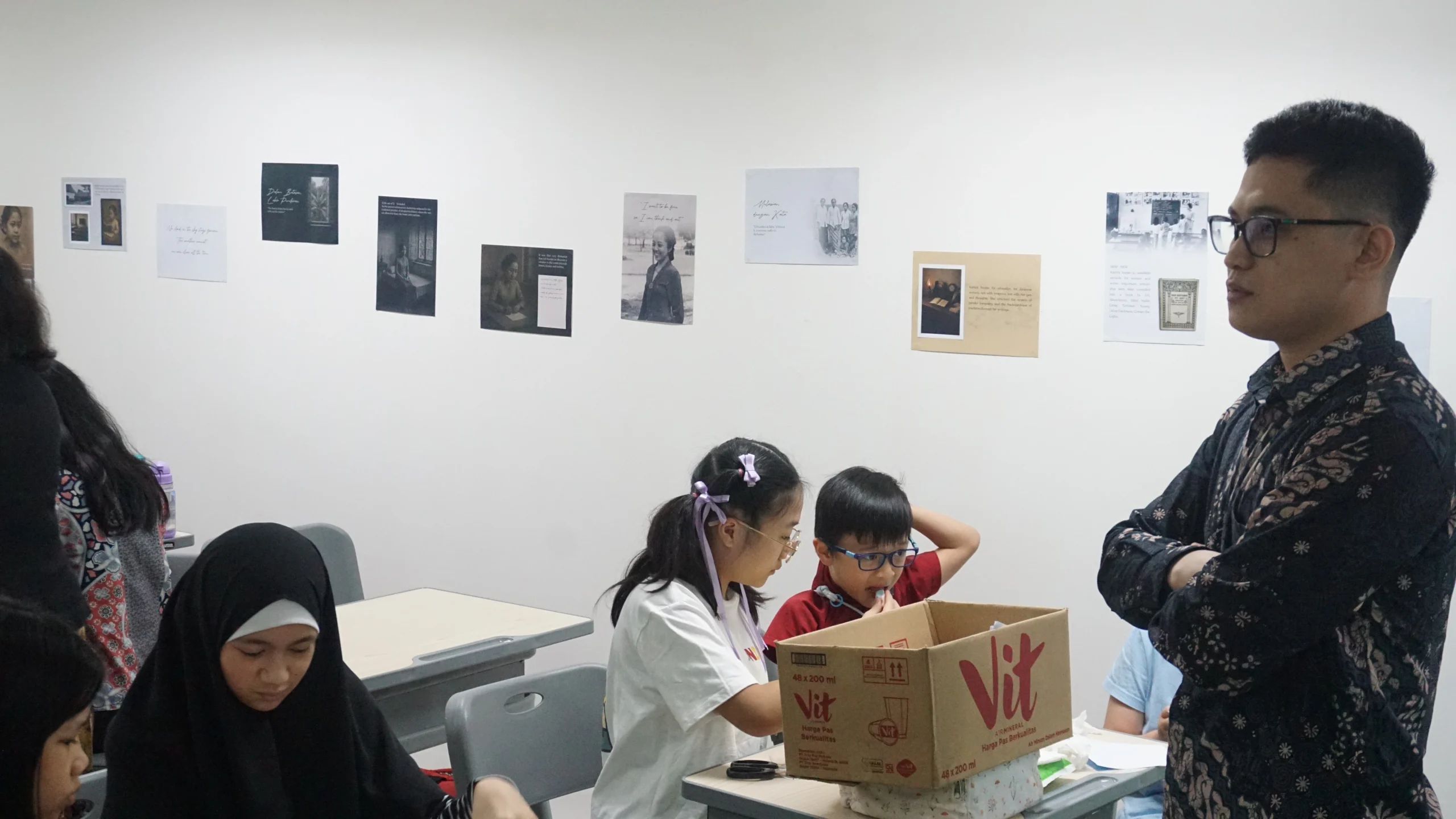
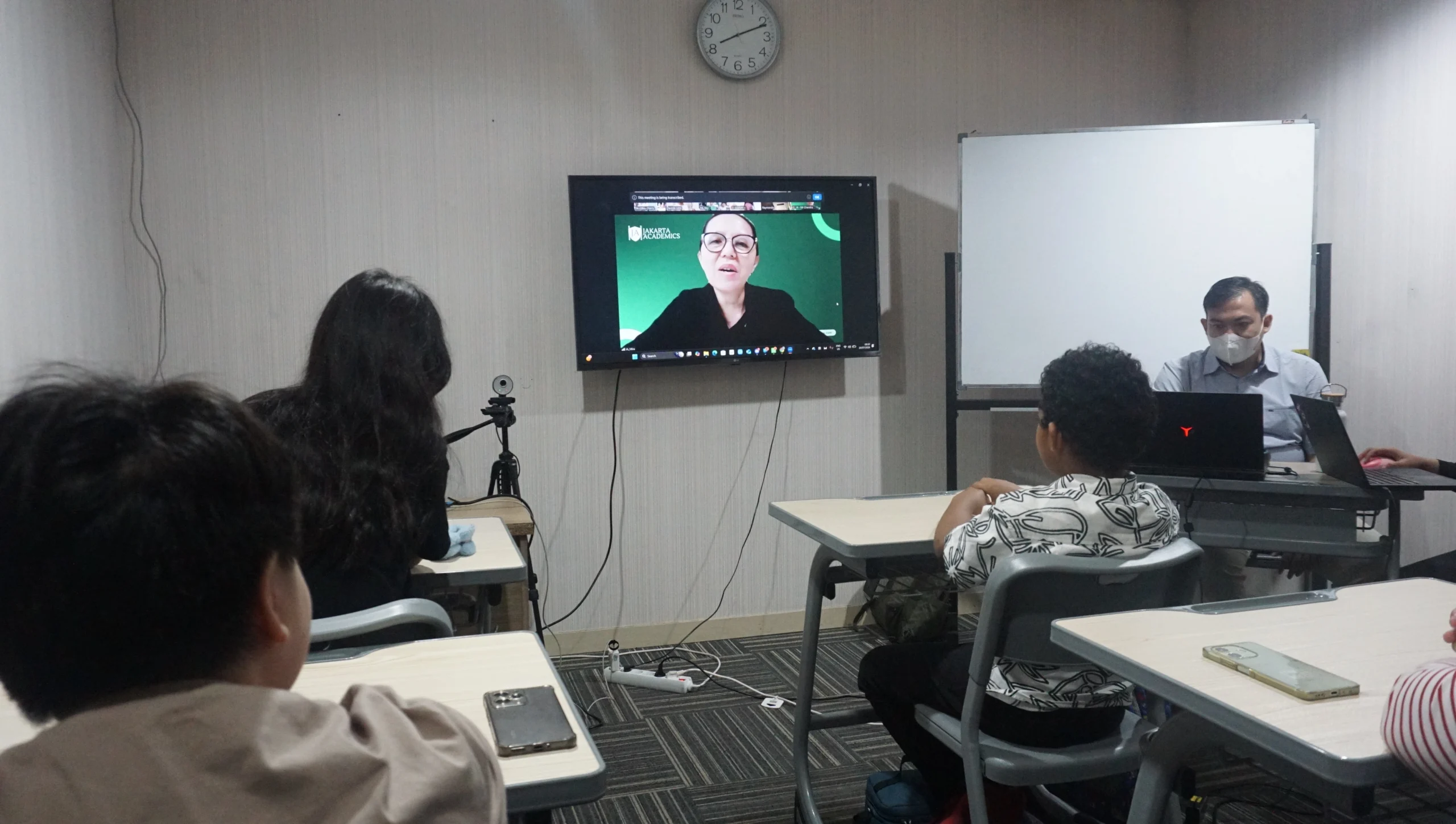
A hybrid school mixes face-to-face lessons with online learning, so students have more say in how and where they study. At Jakarta Academics, students can join lessons on campus and also learn from home. Families get real classroom interaction without being tied to a rigid school week.

This works well for families who want academic structure but also need space to move, whether that’s because of relocation, personal commitments or a child’s particular learning needs. Here’s what the experience includes:

  • Personalised academic guidance built around each student
  • Small classes, usually six students or fewer and never more than eight
  • Face-to-face, collaborative learning
  • Flexible learning from home
  • Structured programmes following the UK curriculum

Flexibility doesn’t mean lower standards. We pair adaptable learning arrangements with steady academic support and a clear path forward.

International Homeschooling in Indonesia

Conventional school doesn’t always give families the flexibility they need. International homeschooling lets students follow an international curriculum in a way that fits their lives. It can suit families who move often, live an international lifestyle, want more say in how their children learn, or simply want an alternative to attending a regular school.

We support homeschooling families with structured programmes, teacher guidance and UK curriculum pathways. Students work towards recognised qualifications, and their learning is shaped around their individual needs and future goals. They also have room for sports, music, creative projects and personal development.

For parents, it comes down to balance: flexibility, steady academic progress, and the support children need along the way.

A Microschool in Bali

Alongside hybrid schooling and international homeschooling, we run a microschool in Bali. A microschool is a small learning environment with a limited number of students, so teachers and learners really get to know each other. In small groups there’s more individual attention, more chances to join in, and more direct guidance than you’d find in a large class.

At Jakarta Academics Bali, classes usually have six students or fewer, with a maximum of eight. That lets teachers understand how each student learns, notice where extra help is needed, and have meaningful conversations in class. For families in Bali looking for an international alternative, a microschool offers the structure of a school with the closeness of a small community.

UK Curriculum and Pearson Edexcel Qualifications

Flexibility only works if there’s a clear academic path behind it. We deliver a UK-based international curriculum for students aged 6–19, following Pearson Edexcel pathways. As an approved Pearson Edexcel centre, we offer programmes leading to internationally recognised qualifications that can support students on their way to higher education. The UK curriculum is valued for its structured approach to subject knowledge, critical thinking and independent learning.

Students can move through these stages:

  • Primary (ages 6–11). Students build strong foundations in the core subjects through engaging, student-centred learning, while growing their curiosity, confidence and good learning habits.
  • Lower Secondary (ages 11–14). Students strengthen those foundations and get ready for more advanced, subject-based learning. They develop critical thinking, problem-solving and independence.
  • International GCSE (ages 14–16). The IGCSE is an internationally recognised qualification. With a range of subjects to choose from, students can explore their interests while building the knowledge and skills they need for further study.
  • International A Levels (ages 16–19). A Levels let students study chosen subjects in greater depth as they prepare for university. They’re widely recognised by universities around the world, subject to each university’s entry requirements.
  • Foundation Programme. This is an alternative route into university. It builds the academic knowledge and skills needed for higher education and can support applications to universities in the UK, United States, Canada, Australia, New Zealand and elsewhere, depending on the programme and each university’s admission requirements.

Through these pathways, we want students to leave with the foundation they need for further education and future careers.

Why Small Classes and Personalised Learning Matter
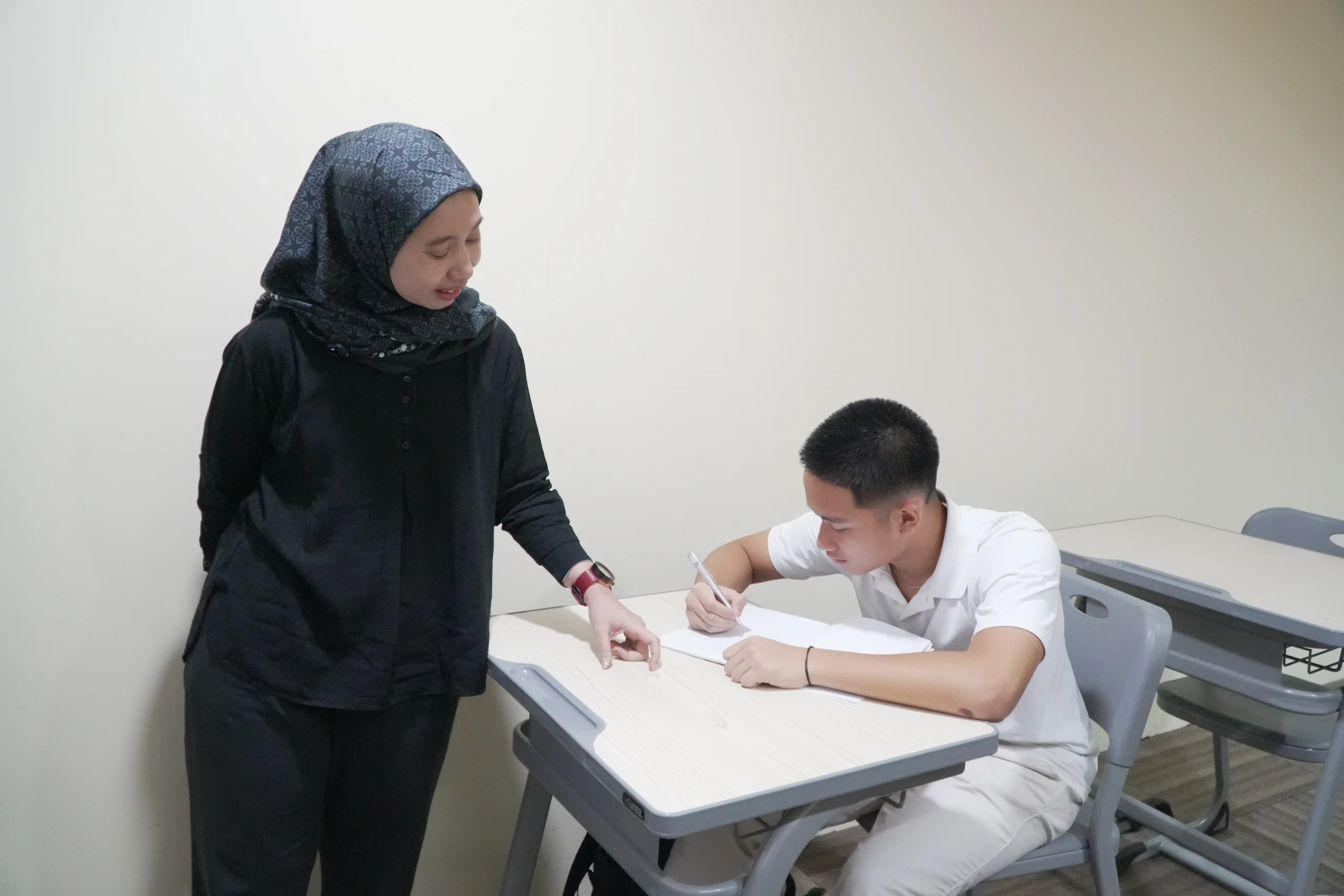
Personalised learning is at the heart of what we do. In a large classroom, a teacher has to keep track of many students at once, and students don’t all learn at the same pace or respond to the same methods. Smaller classes give teachers the room to understand each student and support them more directly.

Our classes typically have six students or fewer, with a maximum of eight. In practice, that means:

  • More conversation between teachers and students
  • More chances to ask questions and take part
  • Closer monitoring of progress
  • Individual guidance and feedback
  • A better understanding of each student’s strengths and challenges

It also helps students build confidence in what they can do. The goal isn’t just to get through the curriculum. It’s to help students truly understand what they’re learning, recognise their strengths and become more independent learners.

From Jakarta Academics to Universities Around the World

A good international education should prepare students for opportunities beyond the classroom. Our students have gone on to continue their studies at universities and higher education institutions in many different countries.

Based on alumni progression records from 2024–2026, former students have moved on to institutions including:

  • United Kingdom: University of Aberdeen, University of Bristol, University of Leeds, University of Reading, Oxford Brookes University
  • Malaysia: University of Nottingham Malaysia, Management and Science University (MSU), UCSI University
  • Singapore: PSB Academy
  • Australia: RMIT University, UNSW Sydney, Monash University
  • United Arab Emirates: Middlesex University Dubai
  • France: LYFE Institute, Université Paris-Saclay
  • Netherlands: Hogeschool Utrecht
  • Indonesia: University of Indonesia, Universitas Prof. Dr. Moestopo, President University, BINUS University

That’s a good picture of the range of paths our alumni take. Admission requirements do vary by institution, qualification, programme and applicant. Still, following an international curriculum can help students prepare for university applications in many different countries.

Real Student Achievements: Stories of Growth and Academic Excellence

Every student’s journey is different. Their achievements reflect not just academic ability but also dedication, resilience and finding the right place to learn. Here are a few of their stories.

Mutiara Libra Pradnyana, Pearson High Achiever Award 2024. 
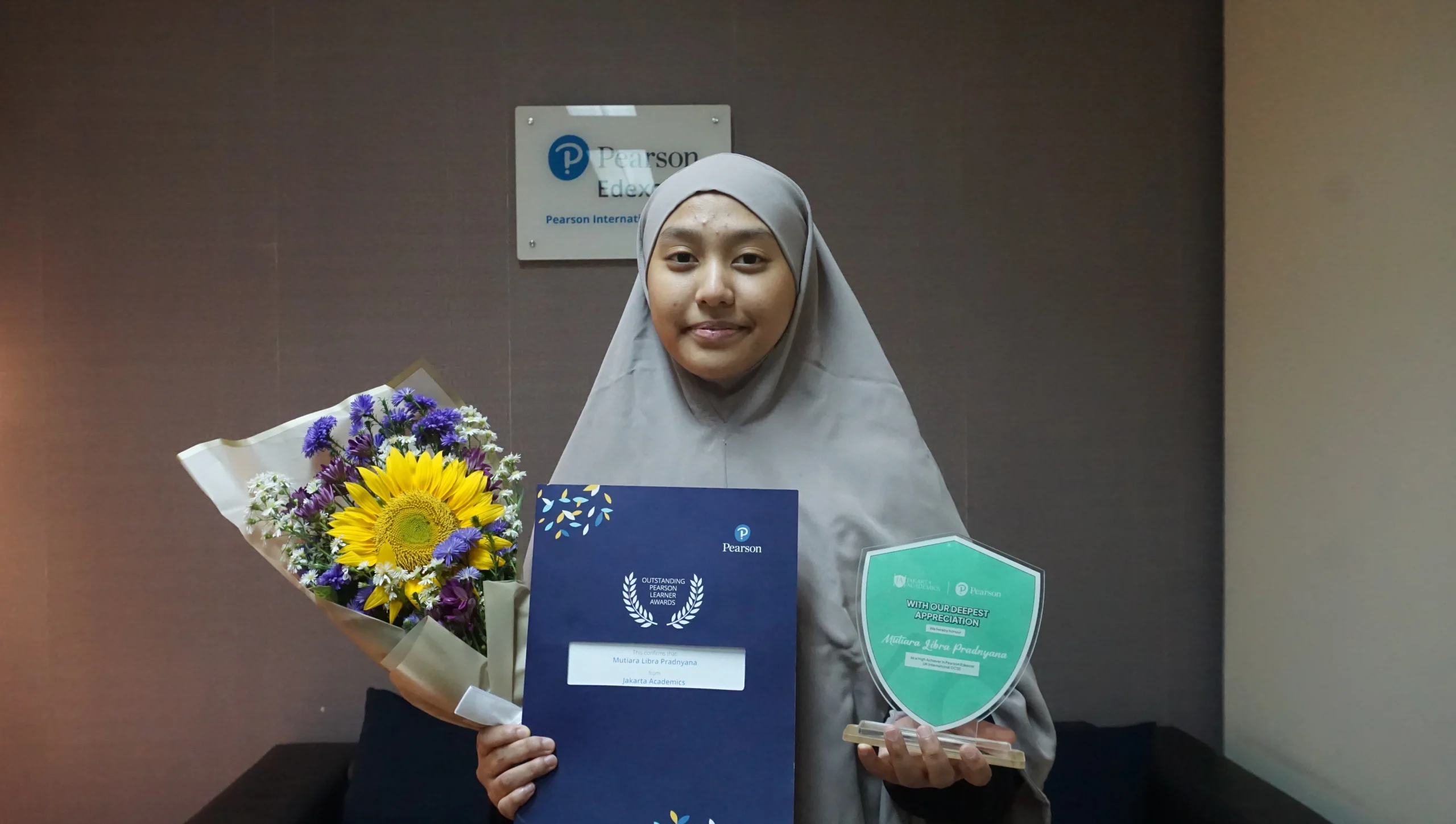
Moving between countries with her family didn’t stop Mutiara from keeping up her studies. Her consistent effort earned her the Pearson Edexcel Outstanding Achievement Award as an IGCSE High Achiever in 2024. Her story shows how good academic guidance and a flexible international education can help students keep progressing even when life changes around them.

Sherleen Emmanuel Xie, Pearson High Achiever Award 2023. 
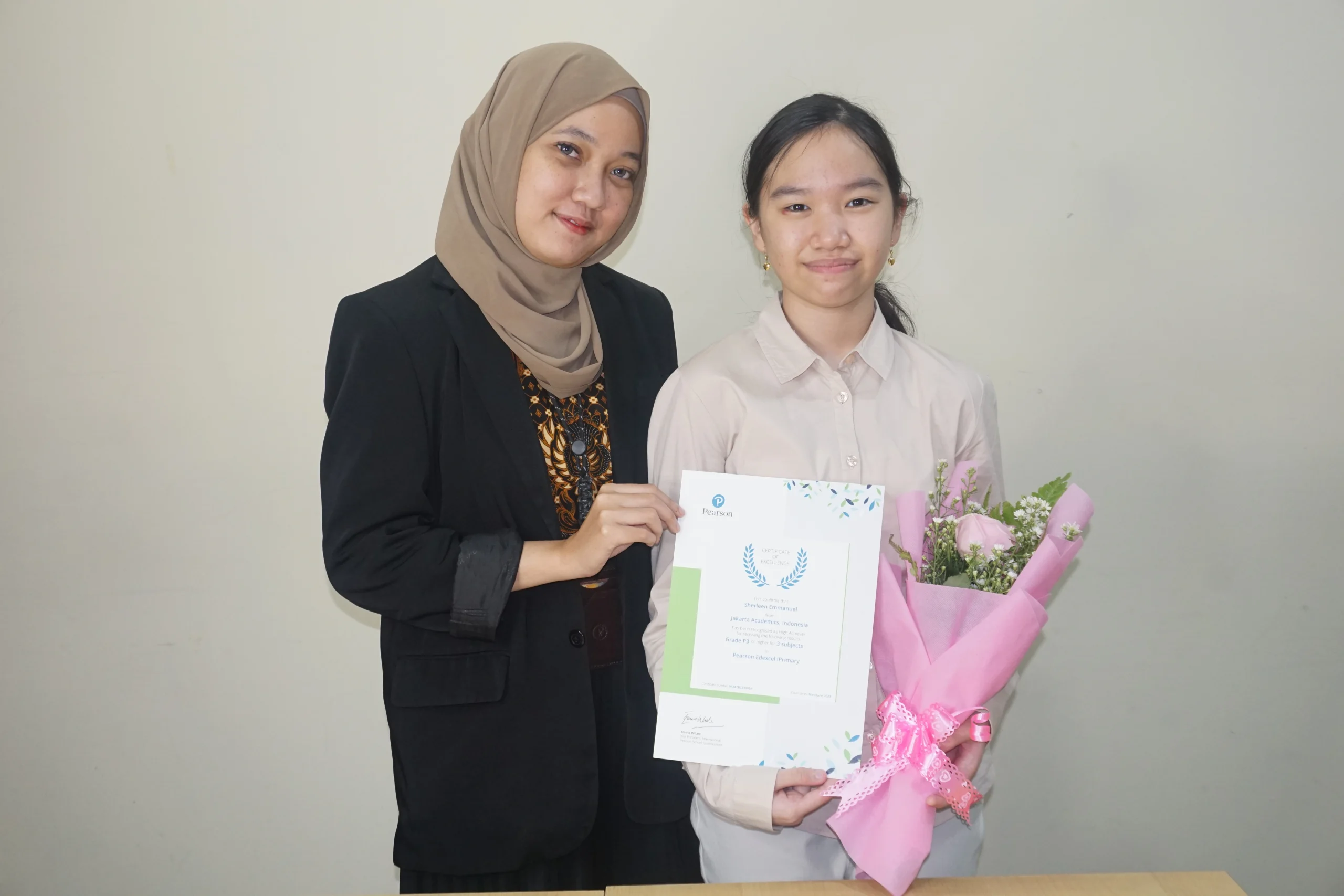
Before joining us, Sherleen was homeschooled by her parents. Her family eventually looked for extra academic support to better meet her needs. At Jakarta Academics she kept growing academically while pursuing her passion for music. Her hard work earned her the Pearson High Achiever Award in 2023, and her flexible learning arrangements gave her the time to keep developing as a violinist.

What Parents Say About Jakarta Academics

Choosing a school affects the whole family. Parents want to know their children are getting the right academic guidance, building important skills and feeling supported where they study. That’s why the experiences of our families matter so much to us.

Parents of students including Aqila, Chery, Greg and Mutiara have shared their experiences of their children’s academic journeys and development. Their stories give a real sense of what flexible learning, personalised support and a caring school environment can mean for a student.

Is Jakarta Academics the Right Fit for Your Child?

Every child has different needs and different hopes for the future. Some students do best with the structure of a hybrid school. Others prefer international homeschooling or the closeness of a microschool.

Whether you’re looking for a hybrid school in Jakarta, international homeschooling in Indonesia or a microschool in Bali, a good first step is understanding what your child actually needs. With personalised guidance, small classes and Pearson Edexcel UK curriculum pathways, Jakarta Academics offers a flexible international education that prepares students for what comes next, academically and personally.
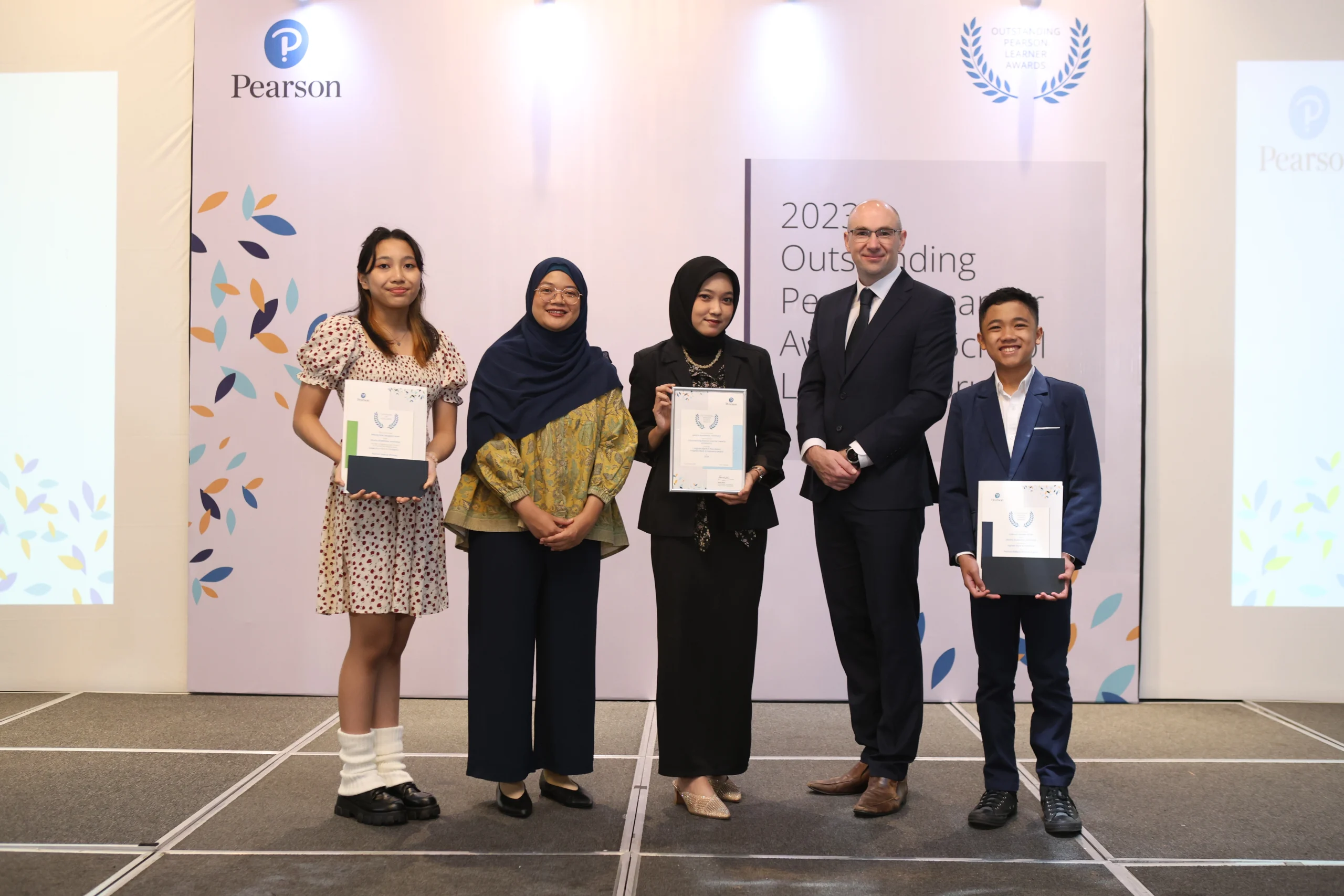
Explore a Different Approach to International Education

Education should give every student the chance to grow, build on their strengths and get ready for the future. We believe a meaningful education recognises individual differences while keeping a strong foundation in academic excellence.

If you’re exploring a hybrid school, international homeschooling or an alternative international education in Indonesia, our Admissions Team is happy to walk you through the programmes and help you find the right pathway for your child.

Speak with our Admissions Team to get started.
Recent Post

International Microschool in Bali: A Personalised Approach to Mathematics, Science, and English at JA School Bali

Choosing the right school is one of the most important decisions for parents. For families living in Bali, both local and expatriate, finding a school that meets their child’s needs is an essential part of preparing for their future. Today, parents are looking for more than just a school with a good curriculum. They want a learning environment where children can develop academic skills, build confidence, and discover their potential. One educational approach that is becoming increasingly interesting for families to explore is the international microschool. By combining international education with a more personalised learning environment, microschools offer an interesting option for families looking for a meaningful educational experience for their children.

At JA School Bali, learning focuses on developing strong academic foundations, particularly in Mathematics, Science, and English, while encouraging students to think critically, explore new ideas, and develop independence. For parents searching for an international school in Bali, understanding this approach can help them find a learning environment that suits their child’s needs.

What Is an International Microschool?

An international microschool is an educational approach that combines the principles of international education with a smaller, more personalised learning environment. Microschools generally emphasise closer interaction between teachers and students, smaller learning groups, and attention to each child’s individual needs and development. In this type of learning environment, students have opportunities to ask questions, participate in discussions, express their ideas, and develop a deeper understanding of what they learn.

Learning is not only about completing assignments or finding the correct answers. It is also about helping children understand how concepts work and how knowledge can be applied in everyday situations. For families living in Bali, an international microschool can be an interesting educational option, especially for parents looking for international learning experiences, English-language development, and strong academic foundations. However, every school has its own approach. Parents should therefore understand how the curriculum, teaching methods, and school environment support their child’s development.

Why Is Personalised Learning Important for Children?

Every child has a different way of learning, different interests, and different educational needs.

Some children understand mathematical concepts quickly but need more time to develop their writing skills. Others enjoy Science and exploration but may need additional support with certain academic concepts. A personalised learning approach helps teachers understand these differences and provide support that is appropriate for each student’s development.

When children have opportunities to ask questions, explore ideas, and understand learning materials more deeply, they can develop greater confidence in their learning abilities. For parents, a supportive learning environment is also important, particularly when children are adjusting to a new community or educational setting. This can be an important consideration for both Indonesian families and expatriate families looking for a school in Bali.

International Curriculum: Building Strong Academic Foundations

International education is not only about using English as the language of instruction. An international curriculum can also provide a structured learning experience that helps students develop knowledge, thinking skills, and academic abilities progressively. Strong academic foundations help children understand different concepts and prepare them for further education.

At JA School Bali, Mathematics, Science, and English are important areas of focus in developing students’ academic abilities. These three subjects support one another in helping children understand information, develop thinking skills, and communicate more confidently.

Mathematics: Developing Logical Thinking and Problem-Solving Skills

Mathematics is one of the most important foundations of a child’s education. More than simply calculating numbers or memorising formulas, Mathematics helps students understand patterns, analyse information, and find solutions to different problems. These skills are useful across many areas, including Science, technology, economics, and everyday life. Through Mathematics learning, students can develop logical thinking and understand how concepts can be applied in real situations.

For example, children can explore Mathematics through measuring, comparing quantities, understanding data, or making simple plans. These experiences help students see that Mathematics is not just a classroom subject. It is also a skill they can use in everyday life. For parents looking for an international school in Bali, strong mathematical foundations are an important part of supporting their child’s academic development.

Science: Encouraging Curiosity and Exploration

Children naturally want to understand the world around them. Why do plants grow? How does the environment change? Why do different materials have different properties? Science gives students opportunities to explore these questions through observation, investigation, and critical thinking. Meaningful Science learning helps children understand scientific concepts while developing the ability to ask questions, make predictions, and consider evidence. Through relevant learning experiences, students can connect Science concepts with everyday life.

For example, they can explore nature, understand the environment, learn about different materials, or discover how technology is used in the modern world. This approach helps children see Science as interesting, relevant, and connected to the real world. In addition to building academic knowledge, Science encourages students to develop curiosity and systematic thinking.

English: Building Confidence in Communication

English is an important part of international education. For children learning in an international school environment in Bali, English can support academic learning, communication, and future educational opportunities. However, learning English is not only about understanding vocabulary and grammar. Students also need to develop their reading, writing, listening, and speaking skills.Reading helps children understand information and develop critical reading skills. Writing helps students organise their thoughts and communicate ideas clearly. Speaking and listening give children opportunities to communicate, participate in discussions, and build confidence.

For expatriate families, English-language learning can also help children adapt to an international educational environment. For Indonesian families, these skills can become an important foundation for developing communication abilities and preparing children for future opportunities. Strong English skills can support both academic and personal development.

Learning Beyond the Classroom: Connecting Learning with Real Life

Meaningful learning does not only happen inside the classroom. Children also need to understand how the knowledge they learn can be applied in everyday situations. Mathematics can help students understand budgeting, measurement, and planning. Science can encourage them to explore nature, understand the environment, and develop curiosity. English helps students communicate ideas, participate in discussions, and interact with others. When students connect classroom learning with real experiences, they have opportunities to understand concepts more deeply.

At JA School Bali, the learning experience aims to support academic development while helping students build important skills such as critical thinking, communication, creativity, and independent learning. These skills can help children become more confident learners and prepare them for different educational experiences in the future.

Is an International Microschool in Bali Right for Your Child?

Every family has different educational priorities. Some parents are looking for a school with an international curriculum. Others want their children to strengthen their academic foundations, improve their English, or experience a more personalised learning environment.

An international microschool may be an interesting option for families who value:

  • Strong academic foundations in Mathematics, Science, and English.
  • A learning environment that supports student development.
  • Opportunities to develop critical thinking and problem-solving skills.
  • English-language learning in an international educational setting.
  • Learning experiences that encourage curiosity and independence.
  • A school environment where children can build confidence.

For families moving to Bali, it is also important to consider how a school supports children as they adjust to a new environment. Understanding the curriculum, speaking with teachers, and visiting the school can help parents determine whether the learning approach meets their child’s needs.

Discover JA School Bali

Finding the right school means understanding how an educational environment can help children learn, develop, and build confidence. At JA School Bali, we believe education should help students build strong academic foundations while developing the skills they need for the future. With a focus on Mathematics, Science, and English, students have opportunities to strengthen their knowledge, explore new ideas, and develop a deeper understanding of the world around them.

For Indonesian families and expatriate families looking for international education in Bali, JA School Bali is an opportunity to explore a learning environment that supports academic development. Whether you are moving to Bali, exploring international school options, or looking for a different educational approach for your child, getting to know the school’s learning environment can be an important first step.

Give your child the opportunity to build strong academic foundations, develop confidence, and grow through meaningful learning experiences. Contact JA School Bali to learn more about our educational approach, curriculum, and learning opportunities for your child. Discover whether JA School Bali is the right learning environment for your family’s educational needs.

Love Travelling With Your Kids? Here’s How to Keep Their Education on Track

For some families, travelling is more than just a school holiday activity. It is part of everyday life.

Some parents travel regularly for work, while others love taking their children to explore new places. For expat families living in Bali, visiting their home country to spend time with relatives can also mean being away for several weeks.

Living in Bali offers plenty of opportunities for this kind of lifestyle. A weekend might be spent exploring another part of Indonesia, while a longer holiday could mean travelling overseas with the family.

But alongside all the excitement, many parents have one important question:

What happens to your child’s education when they cannot attend school because the family is travelling? Will they fall behind?

It is a reasonable concern. Parents want their children to experience the world, discover new interests, and spend quality time with family. At the same time, they want to make sure their children continue developing academically.

That is why choosing the right international school in Bali involves more than looking at the curriculum and teaching quality. It is also worth considering whether a school understands your family’s needs and can help your child maintain academic progress when circumstances change.

When Family Schedules Don’t Always Follow a Routine

Every family has a different routine. Some families plan their trips months in advance. Others need to travel because of work or family commitments outside Bali.

In these situations, a fixed school schedule can sometimes be challenging. When children miss school, they may miss important explanations, assignments, or classroom activities that are not always easy to make up later.

The issue is not that children cannot learn while travelling. What matters is how they continue receiving guidance and understanding the material they need to study. This is where flexible learning becomes important.

Flexible learning does not mean children can study whenever they want without any structure. Instead, it allows learning arrangements to take individual needs and circumstances into account while keeping academic goals, assignments, and progress in focus.

For families who travel regularly, this approach can help reduce the worry of returning home to a long list of missed lessons.

What If Your Child Cannot Attend School in Person?

Imagine your family needs to spend several days outside Bali. Your child cannot attend their usual classes, and you start wondering how much schoolwork they will miss.

The concern is not just about attendance. It is also about keeping up with the lessons.

In certain circumstances, online learning support can help children stay connected with their education when they cannot physically attend school.

Where online classes are available and arranged with the school, students may be able to join lessons remotely. Learning materials and selected assignments can also help them continue working on topics covered in class.

With clear guidance, children do not necessarily have to wait until they return to school to begin catching up on everything they missed.

Of course, not every activity can be completed online. Some lessons, assessments, and practical activities may still require students to attend school in person. This is why discussing travel plans with the school in advance is important.

The goal is not to replace the classroom entirely. It is to help maintain continuity in learning when a student is unable to attend in person.

Flexibility Doesn’t Mean Academics Come Second

One concern parents may have about flexible learning is whether their children will still make consistent academic progress.

It is a fair question. Children still need structure, clear learning goals, and guidance to build their understanding step by step. That is why flexibility works best when it is supported by proper planning.

Before travelling, parents can discuss the upcoming schedule with the school, including the topics being covered, assignments that need to be completed, and any activities that may need to be followed up on after the child returns.

This gives children a clearer idea of what they need to do without making every family holiday feel like an extension of the school week.

It can also help children gradually develop responsibility. They learn to manage their time, complete tasks, and return to their learning routine after a change in schedule.

Ultimately, the goal is not simply to have a flexible timetable. It is to help children continue learning in a structured way, even when family circumstances change.

Why Personalised Learning Matters for Travelling Families

Every child learns differently. Some children pick up new concepts quickly but need more support with written assignments. Others are academically capable but need guidance to stay organised and manage their time.

When children miss a few days of school, these differences become even more important.

A child who is already confident working independently may be comfortable completing assignments on their own. Another child may need clearer guidance about which topics to prioritise and what to do next. This is where personalised learning can make a difference.

Teachers can pay closer attention to each student’s progress, strengths, and learning needs. This helps parents understand what their child has already mastered, which areas may need more attention, and what should be followed up on after returning to school.

It is also one reason some families consider an international microschool in Bali with smaller classes.

In a smaller learning environment, teachers have more opportunities to get to know their students personally. However, class size alone is not what matters most. The real value comes from how teachers use that individual attention to support each child’s development.

Travelling Can Be a Learning Experience, Too

Beyond keeping up with schoolwork, travelling gives children opportunities to learn from real-life experiences.

They might visit a museum, discover a historical landmark, try local food, or meet people from different backgrounds.

Even everyday experiences can spark curiosity. Visiting a local market can introduce children to numbers and different currencies. Exploring a new country may encourage an interest in geography, history, or the environment. Being surrounded by another language can also help children develop a greater appreciation for different cultures.

These experiences do not replace academic learning, but they can complement what children learn in school and help them see how knowledge connects to everyday life.

For parents, that is one of the rewarding parts of travelling with children. They are not simply visiting new places; they are also learning to become more independent, curious, and open to different perspectives.

With the right planning, these experiences can go hand in hand with a structured education.

How JA School Bali Supports Personalised Learning

At JA School Bali, we understand that every family has different routines, priorities, and educational goals. Some families live in Bali throughout the year, while others have travel commitments because of work or family circumstances.

Located in Renon, Denpasar, JA School Bali is an international microschool offering Primary, Secondary, and High School education through the Pearson Edexcel International Curriculum.

Our approach focuses on smaller classes, an English-speaking environment, and personalised learning so that students can receive support that reflects their individual needs.

For families planning a trip, or when a student is unable to attend school in person, parents can discuss their circumstances with the school. Depending on the student’s needs, the topics being studied, and the arrangements available, learning support can be planned to help the student continue making academic progress.

Where online classes can be arranged, students may be able to join lessons remotely under the school’s applicable arrangements. Learning materials and selected assignments can also form part of a learning plan while they are away.

After returning to school, any outstanding work or topics that need further attention can be discussed with the teacher. This does not mean that every part of the school programme can be completed remotely. Classroom attendance, direct interaction with teachers, and certain academic activities remain important parts of a child’s education.

The aim is to find a balance between family flexibility and students’ academic development, supported by communication between parents and the school.

What Should You Ask When Choosing an International School in Bali?

If your family has a busy or unpredictable travel schedule, there are a few useful questions to ask when visiting a school.

How does the school handle planned absences? Can students attend online classes when they cannot be physically present? Are learning materials and assignments available to help them continue studying? And how do teachers support students who need to catch up after returning?

The answers can help you understand whether a school’s approach suits your family’s needs.

It is also important to understand the school’s arrangements and limitations. Not every school offers the same level of flexibility, and learning plans may depend on the academic schedule and the individual student’s circumstances.

Discussing these details early can help parents plan their travels with greater confidence while keeping their child’s education in focus.

An Education That Supports Both Learning and Family Life

Choosing a school is about more than finding a good place for your child to study. For families who travel regularly, another question matters: can the school help your child continue learning when your family’s routine changes?

Children still need a clear curriculum, supportive teachers, and meaningful academic goals. But they also need opportunities to explore the world, spend time with family, and grow through new experiences.

The two do not always have to compete.

With good communication, thoughtful learning plans, and appropriate guidance, families can work towards a balance between travel, everyday life, and education.

Because a good education is not only about completing lessons. It is also about helping children continue learning, growing, and understanding the world around them.

If you are looking for an international school in Bali that values personalised learning and want to explore how your family’s travel needs might be accommodated, visiting JA School Bali could be a helpful first step.

Hybrid School for High School: 7 Questions Parents Should Ask Before Enrolling

Choosing a high school is hard enough. Adding one more variable, the hybrid format, leaves many parents unsure. Will my child stay focused without a teacher in the room every day? Will they keep their friendships? Will they still be ready for university? Those are fair questions, and the answers depend far more on how a particular school runs its hybrid model than on the word “hybrid” itself. This guide gives you seven questions to ask, what a good answer sounds like, and the warning signs to watch for.

Is a Hybrid School a Good Fit for High School Students?

High school is where a hybrid format can help most, and where it can go wrong fastest. Teenagers are ready for more independence, and many have commitments outside class: sport, arts, projects, part-time work or exam preparation. A hybrid schedule gives them room for those. At the same time, the workload is heavier, the stakes for grades and university applications are higher, and a student who quietly falls behind online can lose months before anyone notices.

That is why the support system matters more than the format. A hybrid high school works well when three things are in place: a clear weekly structure, a named adult who tracks each student’s progress, and campus days that do things online learning cannot.

1. How Much Time Is In Person and How Much Is Online?

Ask for a real weekly timetable, not just the word “flexible”. Find out which days students come to campus, how many hours are live online lessons (synchronous), and how many are independent study (asynchronous). A mature school can show a sample week for Grades 10, 11 and 12.

A good answer: specific days, hours and a worked example. A warning sign: “It depends on the student” with no default schedule.

2. Who Teaches on the Non-Campus Days?

Some hybrid schools expect parents to run lessons at home using school materials. Others have teachers lead live sessions online. For high school subjects such as mathematics, sciences and languages, most families cannot act as subject teachers, so this question decides how much pressure lands on you.

A good answer: qualified teachers deliver live or closely guided lessons. A warning sign: students mostly watch recordings and submit work with little feedback.

3. Which Curriculum and Diploma Does It Use, and Is the School Licensed?

Make sure it is clear which curriculum is taught (national, international or mixed), what operating permit the school holds, and how its diploma or certificate is recognised. If your child plans to study abroad, ask which universities have accepted past graduates and what the school does to prepare applications.

A good answer: written details of permit, curriculum and recognition. A warning sign: vague claims such as “globally recognised” with no names.

4. Who Supports My Child During Online Learning?

Online learning without a mentor is the biggest weak point of hybrid schooling. Ask whether each student has a homeroom teacher or mentor, how often progress is reviewed, what happens when a student starts falling behind, and how large the groups and classes are. Hybrid campus classes at some schools run from roughly 8 to 15 students per teacher; smaller is generally better for students who need attention.

A good answer: a named mentor, regular check-ins and an intervention plan. A warning sign: students are expected to self-manage entirely.

5. How Does the School Monitor and Report Progress?

Find out whether parents get a dashboard or regular reports, how attendance in online sessions is recorded, and how quickly the school contacts you when it sees warning signs such as missed sessions or late work.

A good answer: weekly or fortnightly updates and a clear escalation path. A warning sign: you only hear from the school at the end of term.

6. What Happens on Campus, and What About Friends and Activities?

In-person time should be high value: discussion, practicals, projects, presentations and social activities. If campus days are just lectures that could be streamed, the hybrid format is not being used well. Also ask about clubs, student events and how the school makes students on fewer campus days feel part of a community. Friendships and character-building matter at this age.

A good answer: a calendar of activities and examples of student projects. A warning sign: campus days feel like an optional extra.

7. Where Do Graduates Go Next, and What Does It All Cost?

Ask for a picture of graduate pathways: universities in Indonesia, universities abroad, preparation programs or work. A confident school explains its pathways clearly and honestly, including that the final admission decision rests with each university. Then ask for the total cost in writing: tuition, registration, platform fees, exams, materials and any extra mentoring.

A good answer: named destinations, honest limits, and a written fee schedule. A warning sign: promises of guaranteed admission, or fees that are hard to pin down.

Quick Reference: What to Look For

Question Strong signal Red flag
Timetable Sample weeks for each grade No default schedule
Teaching on home days Qualified teachers, live or guided Recordings with minimal feedback
Licence and diploma Permit and recognition in writing Vague “globally recognised” claims
Support Named mentor, intervention plan Self-management only
Reporting Regular updates, clear escalation Updates only at term end
Campus life Projects, clubs, events Lectures that could be online
Outcomes and fees Named destinations, written fees Guarantees, unclear costs

Questions to Ask Your Child

  • Do you prefer to work alone or with others? How do you handle deadlines when nobody is watching?
  • What would you want to do with the time a hybrid schedule frees up?
  • What would make you nervous about learning online some days?

A hybrid school works best when the student is part of the decision.

A Simple Trial-Week Checklist

  • Visit the campus on a normal day, not only an open house.
  • Ask to sit in on one in-person class and one online session, or to see a demo of the platform.
  • Talk to a current parent and, if possible, a current student.
  • Read a sample progress report.
  • Ask what happens if the format does not suit your child: can they move to a more structured schedule?

Tips for Parents

  • Compare at least two schools with the same list of questions.
  • Check the school’s permit and curriculum yourself rather than relying on brochures.
  • Plan home days: where will your child study, and who is available if they get stuck?
  • Review progress in the first term and ask for adjustments early.

FAQ

Can a child who is not very independent succeed in a hybrid school? Yes, if the school offers strong mentoring and a clear daily structure. Independence can be built gradually, but a school that expects it from day one is a risk.

Is a hybrid school good preparation for university? The format trains time management and independent study, which universities rely on. How well it fits still depends on the curriculum and the school’s support.

How many days should be on campus in high school? There is no single right number. Many hybrid schools use two to four campus days a week. Choose the pattern that gives your child enough structure and enough support.

What should I do if my child falls behind? Ask for a meeting with the mentor immediately, agree a catch-up plan, and ask whether the school can increase campus days or tutoring for a while.

How do I judge the quality of a hybrid school? Look at the real timetable, who teaches on home days, the quality of support, the monitoring system, campus activities and how transparent fees are.

Want to talk about which learning format suits your child? Book a consultation with the Jakarta Academics admissions team.