For many parents in Jakarta, choosing an international education is no longer simply about choosing between a traditional international school and a national school.
Today, families can consider a wider range of educational pathways, including homeschooling, hybrid schools, online learning, and flexible international education.
One qualification pathway that has gained increasing attention is Pearson Edexcel.
But what exactly is Pearson Edexcel? How is it different from Cambridge or the International Baccalaureate (IB)? Is Pearson Edexcel a curriculum or an examination system? And, most importantly, can Pearson Edexcel work with a homeschooling or hybrid school model in Jakarta?
The answer is yes, but understanding how the system works is important.
In this article, we will explore the history of the British education and qualification system, the development of Pearson Edexcel, how it compares with other international qualifications, and why it can be particularly suitable for students who need a more flexible approach to education.
What Is Pearson Edexcel?
Pearson Edexcel is Pearson’s qualification brand for academic and general qualifications. It includes qualifications such as International GCSEs, AS and A Levels, as well as other vocational qualifications.
Edexcel was formed in 1996 through the merger of London Examinations and the Business & Technology Education Council (BTEC). Pearson acquired a 75% stake in Edexcel in 2003 and completed the acquisition in 2005. In 2013, Pearson reorganised its education businesses, with Edexcel becoming part of Pearson’s global qualifications structure.
This is an important distinction:
Pearson Edexcel is not simply another “school curriculum.” It is an awarding and qualification system built on the British education tradition.
For international students, Pearson Edexcel offers qualifications such as International GCSE and International A Level, designed for learners studying outside the UK.
Pearson describes its international pathway, known as iProgress, as a learning journey for students aged 3–19 that includes iPrimary, iLowerSecondary, International GCSE and International AS/A Level.
A Brief History of the UK Education System
To understand Pearson Edexcel, it helps to understand how the British education and qualification system developed.
The United Kingdom has a long history of formal examinations and academic qualifications.
Cambridge, for example, began administering examinations outside the University in the 19th century. The University of Cambridge established its Local Examinations Syndicate in 1858, and its international examination activity began in 1864.
The modern UK qualification landscape later developed through several examination boards and awarding organisations.
In England today, the Department for Education sets the subject content and policy framework for many school qualifications, while Ofqual regulates qualifications, examinations and assessments.
Ofqual was established as an independent regulator in 2010. Its role includes maintaining standards and public confidence in qualifications such as GCSEs and A Levels.
There are currently four exam boards recognised by Ofqual to award GCSE, AS and A Level qualifications in England:
- AQA
- Cambridge OCR
- Pearson
- WJEC Eduqas
These organisations develop and award qualifications within the regulatory framework established by Ofqual and the subject requirements set by the Department for Education.
This means that when people talk about a “British curriculum,” there is actually a broader ecosystem behind it, covering curriculum content, qualifications, examination boards, regulation and schools.
Where Does Pearson Edexcel Fit Into the UK System?
A simple way to understand the relationship is:
UK Education System → Subject & Qualification Requirements → Awarding Organisations → Qualifications → Schools & Students
Pearson is one of the recognised awarding organisations.
Its Edexcel qualifications include International GCSE and International A Level programmes designed for international learners.
For example, Pearson’s International GCSE qualifications are designed specifically for international students and are comparable in academic demand and assessment standards to reformed UK GCSEs.
For students outside the UK, this creates an interesting opportunity.
A student does not necessarily need to attend a conventional British school in the UK to follow a British qualification pathway.
Instead, an appropriate international school, study centre or educational provider can support the student’s learning while the student works toward internationally recognised qualifications.
This is where flexible education models become particularly relevant.
Pearson Edexcel vs Cambridge vs IB
Parents searching for international education in Jakarta will often encounter three names: Pearson Edexcel, Cambridge and IB.
However, they are not exactly the same type of educational system.
| Feature | Pearson Edexcel | Cambridge | IB |
| Origin | United Kingdom | United Kingdom | International |
| Established | Edexcel formed in 1996 | Cambridge examinations date to 1858 | IB founded in 1968 |
| Main model | Qualifications and examinations | Qualifications and examinations | International educational programmes |
| Common qualifications/programmes | International GCSE, International A Level | IGCSE, International AS & A Level | Primary Years, Middle Years, Diploma Programme |
| Learning approach | Subject-focused academic qualifications | Subject-focused academic qualifications | Broader interdisciplinary framework |
| Suitable for flexible learning | Yes, depending on delivery model | Yes, depending on delivery model | Possible, but programme requirements can be more structured |
Cambridge has more than 160 years of examination history, while the International Baccalaureate was founded in Geneva in 1968 with the goal of developing an international education pathway that promoted academic rigour, international understanding and mobility.
The important point is that one system is not automatically better than another.
The better question is:
Which educational pathway is the right fit for the individual student?
Why Some Students Need More Than a Traditional Classroom
Traditional schooling works very well for many students.
But it is not necessarily the best environment for every learner.
Some students may need:
- More flexible learning hours
- Smaller classes
- Individual academic support
- More control over their learning pace
- The ability to combine education with professional training or extracurricular activities
- Flexibility because of frequent travel
- A learning environment that better suits their personality
- Additional academic support in particular subjects
- A pathway that allows them to study from home
This is where homeschooling and hybrid education can become valuable.
The purpose of flexibility should not be to make education easier.
Instead, it should make education more appropriate to the student.
How Does Pearson Edexcel Work With Homeschooling?
One of the biggest misconceptions about homeschooling is that homeschooling and internationally recognised qualifications are incompatible.
They are not.
Homeschooling describes how a student learns.
Pearson Edexcel describes the qualification pathway and assessment system.
These are two different things.
A student can therefore learn through a flexible or home-based model while working toward internationally recognised Pearson qualifications, provided the relevant educational provider and examination arrangements meet the requirements of the qualification.
This distinction gives families more options.
Instead of choosing between:
Traditional school OR homeschooling
parents can consider:
International qualifications + personalised learning + flexible delivery
That combination is particularly relevant for families looking for homeschooling Pearson Edexcel Jakarta options.
Why Pearson Edexcel Can Suit a Homeschooling Model
Pearson Edexcel can be attractive to flexible-learning students because the qualification pathway is centred around clearly defined academic subjects and assessments.
For example, students may work toward International GCSE qualifications before progressing to International A Levels.
This can allow a student to build a structured academic pathway while having more flexibility in how learning is delivered.
Pearson also offers different assessment approaches for some international qualifications. For example, Pearson’s International GCSE History has a modular assessment route for international schools, where students can take examinations at the end of individual units when they are ready.
However, flexibility does not mean that every student can simply take an international examination independently without meeting the relevant requirements.
Parents should always work with an appropriately authorised school, study centre or examination centre to understand registration, teaching and examination arrangements.
Homeschooling vs Hybrid School: Which Is Better?
There is no universal answer.
The choice depends on what the student needs.
Homeschooling
Homeschooling can provide maximum flexibility.
Students may learn primarily from home, with parents, tutors or educational providers supporting their education.
This can work particularly well for students who are highly independent or have very specific schedules.
However, parents may also need to take greater responsibility for academic planning, subject selection, progress monitoring and social opportunities.
Hybrid School
A hybrid school combines elements of online and face-to-face education.
Students may study some subjects or lessons online while attending a physical learning environment for selected classes, activities or academic support.
This can provide a balance between flexibility and structure.
Traditional School
A traditional school provides a fixed timetable, physical classroom environment and established school community.
For students who thrive with routine, peer interaction and consistent teacher supervision, this can remain an excellent option.
The goal is not to replace traditional schools.
The goal is to recognise that different students may thrive in different learning environments.
Choosing the Right International Qualification for Your Child
Instead of asking:
“Which curriculum is the best?”
parents should ask:
1. What are my child’s academic goals?
Does your child want to study at a university in the UK, Australia, Singapore, Malaysia, Europe, the US or another country?
The intended university pathway can influence which qualifications and subjects make the most sense.
2. How does my child learn best?
Does your child perform better in a structured classroom?
Or do they need smaller classes, more individual attention and flexible learning hours?
3. Does my child need flexibility?
Students who travel frequently, participate seriously in sports or arts, or have demanding extracurricular schedules may benefit from a more flexible model.
4. Does my child need personalised academic support?
A student who struggles in a large classroom may perform very differently when teachers can provide more individual attention.
5. What matters beyond grades?
Academic results are important, but education should also help students develop independence, confidence, communication skills and the ability to manage their own learning.
Pearson Edexcel and Homeschooling in Jakarta
For families searching for Pearson Edexcel Jakarta, the most important consideration is not simply finding an international qualification.
It is finding an educational environment that can combine:
International academic standards + qualified teachers + appropriate assessment + flexibility + personalised support.
This is particularly important for homeschooling families.
A student may be academically capable but struggle in a conventional classroom.
Another student may be highly talented in music, sport or another field and require a schedule that a traditional school cannot easily accommodate.
Others may simply learn better in a smaller environment.
The right flexible school model can provide academic structure without forcing every student into exactly the same learning experience.
Jakarta Academics: Pearson Edexcel and Flexible International Education
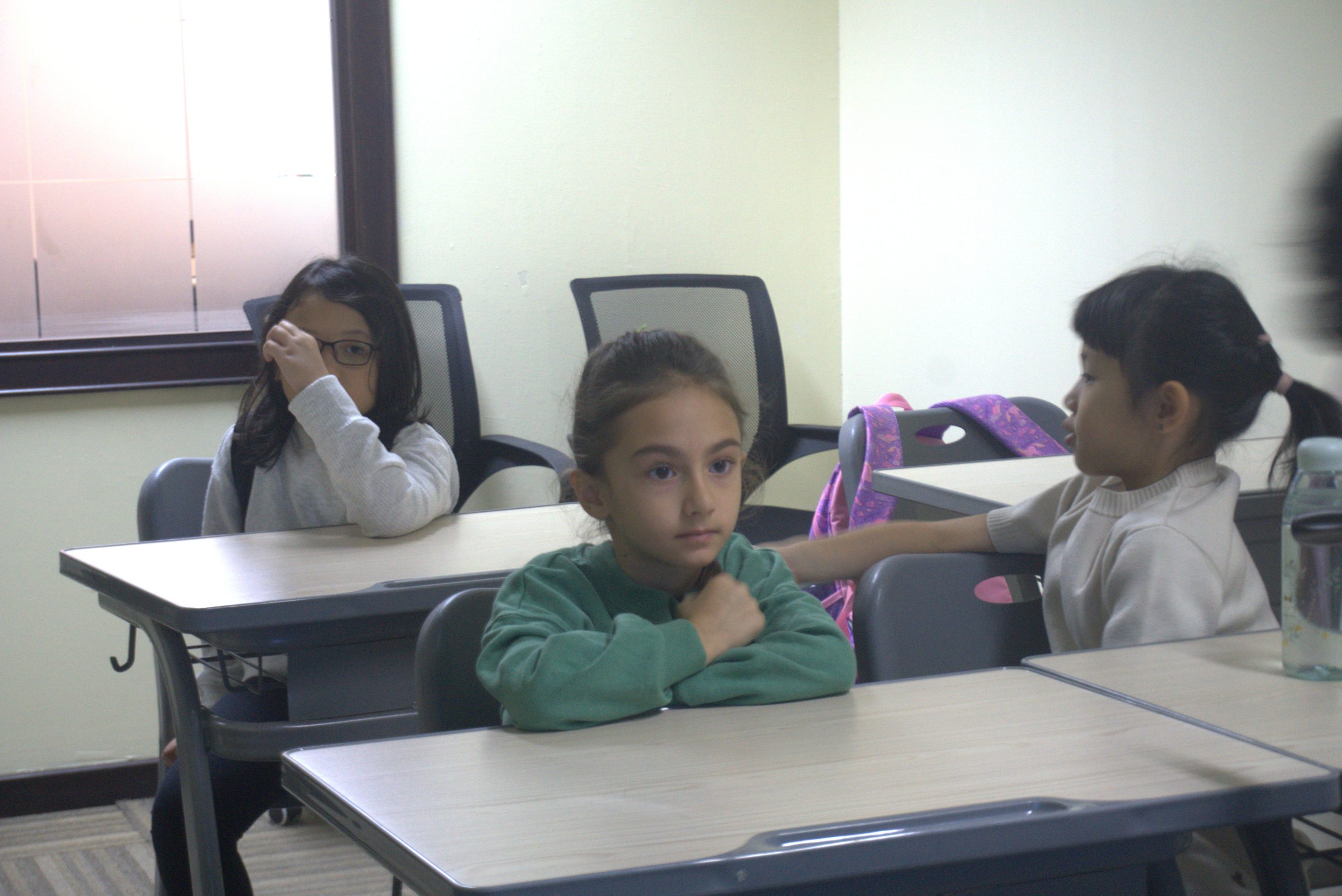
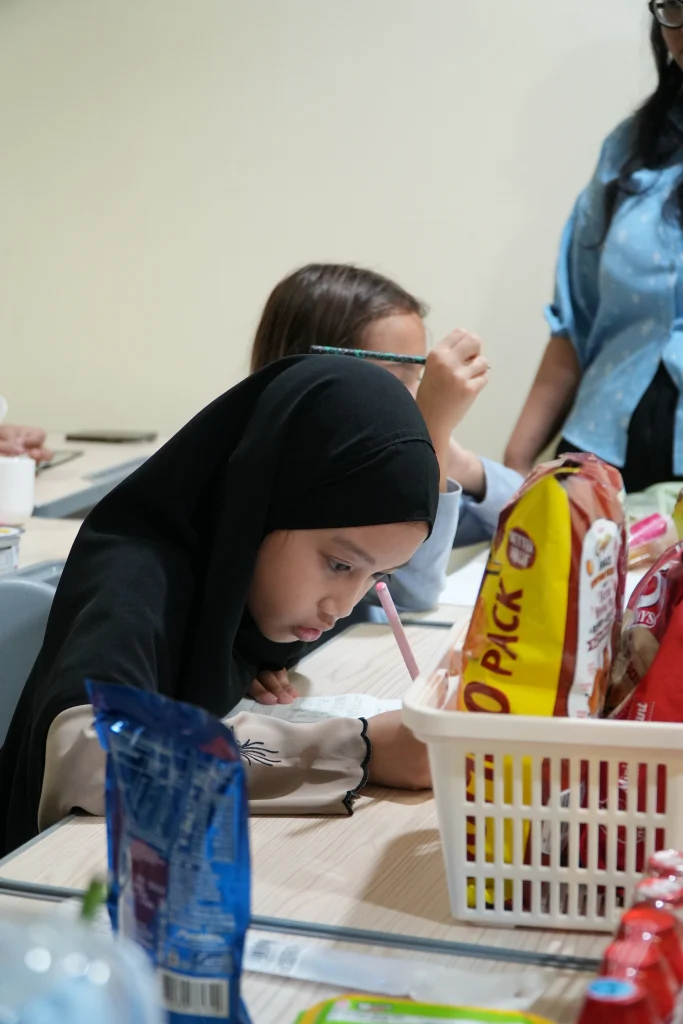
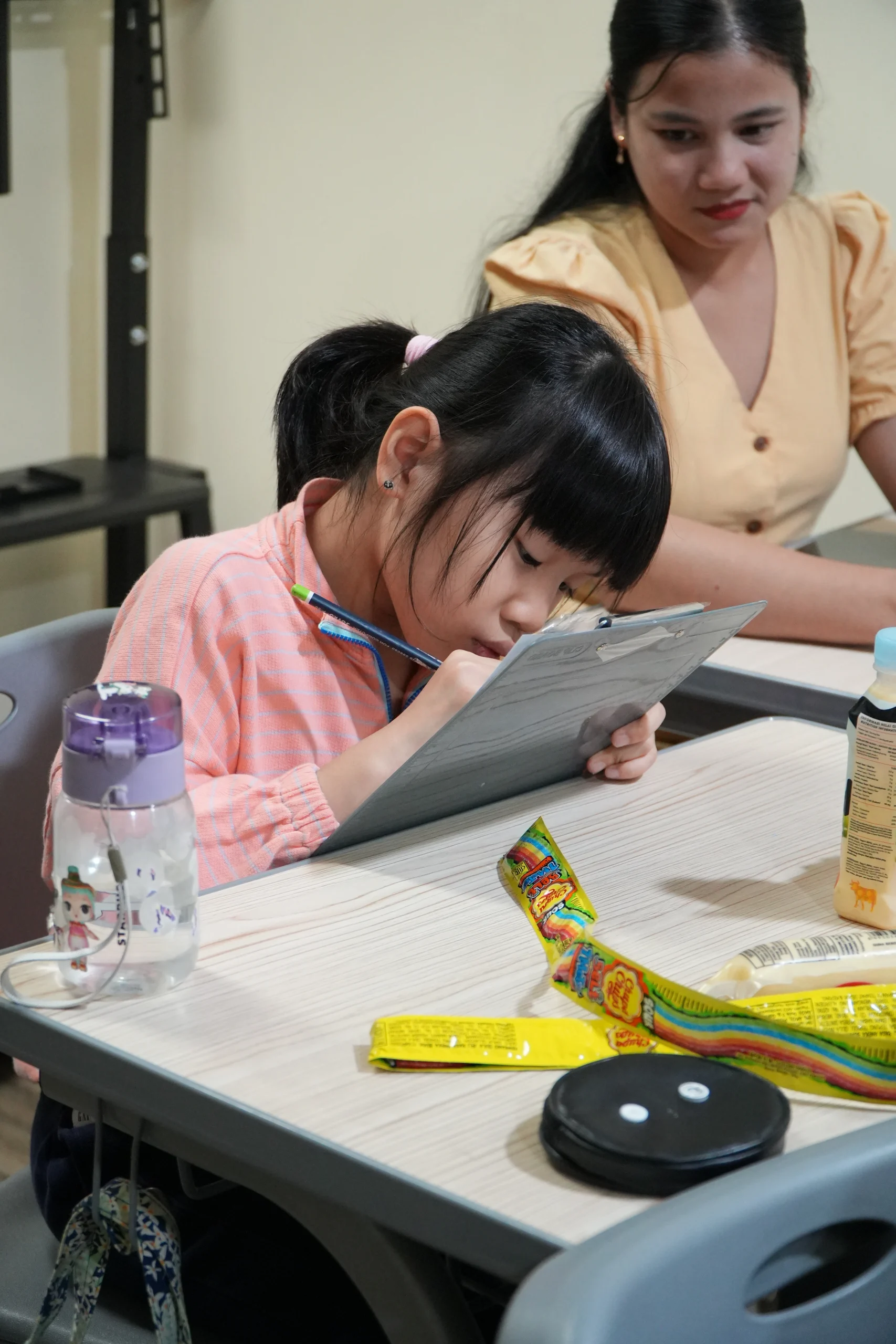
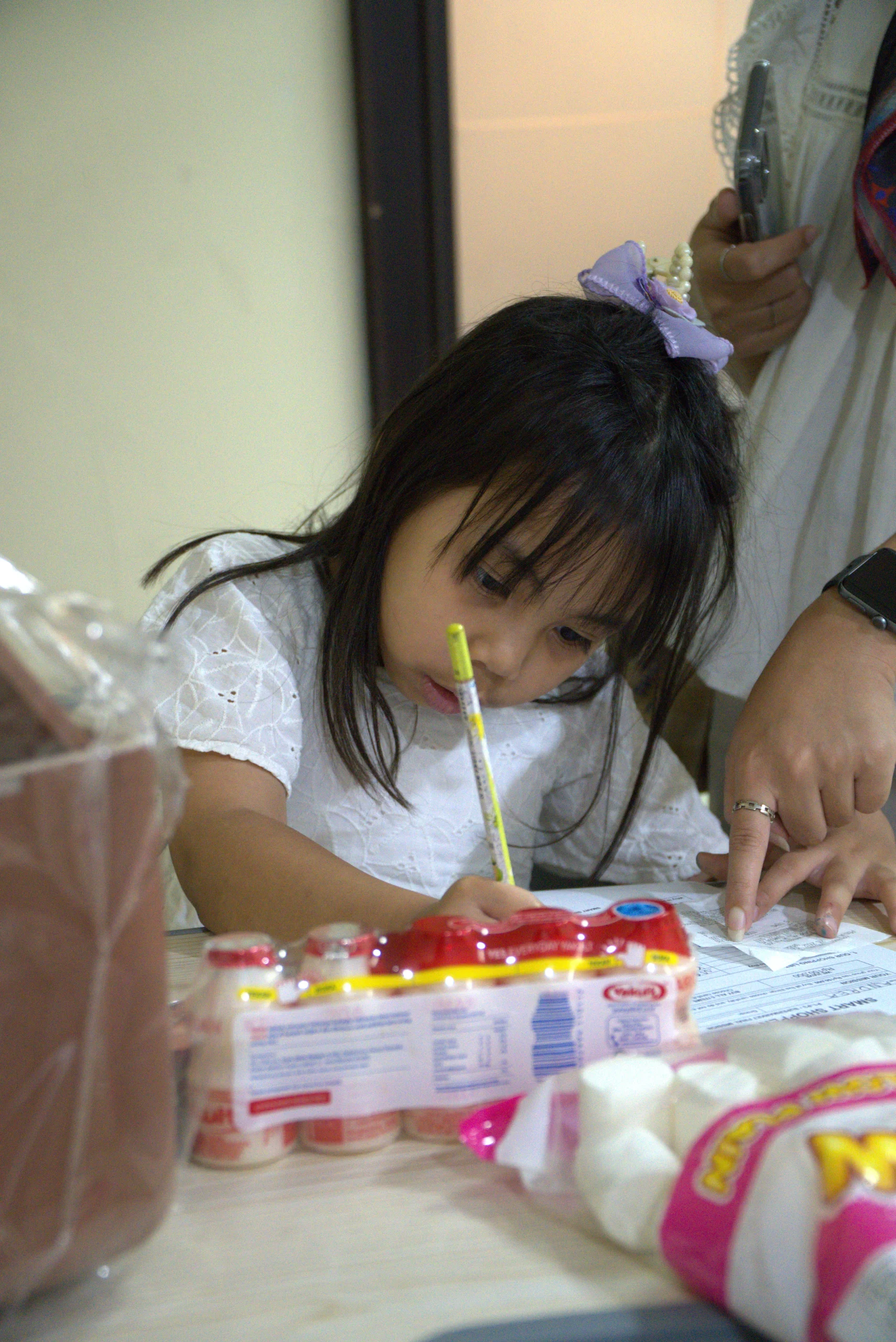
Jakarta Academics provides a flexible international education pathway in Jakarta, combining personalised learning with UK qualifications.
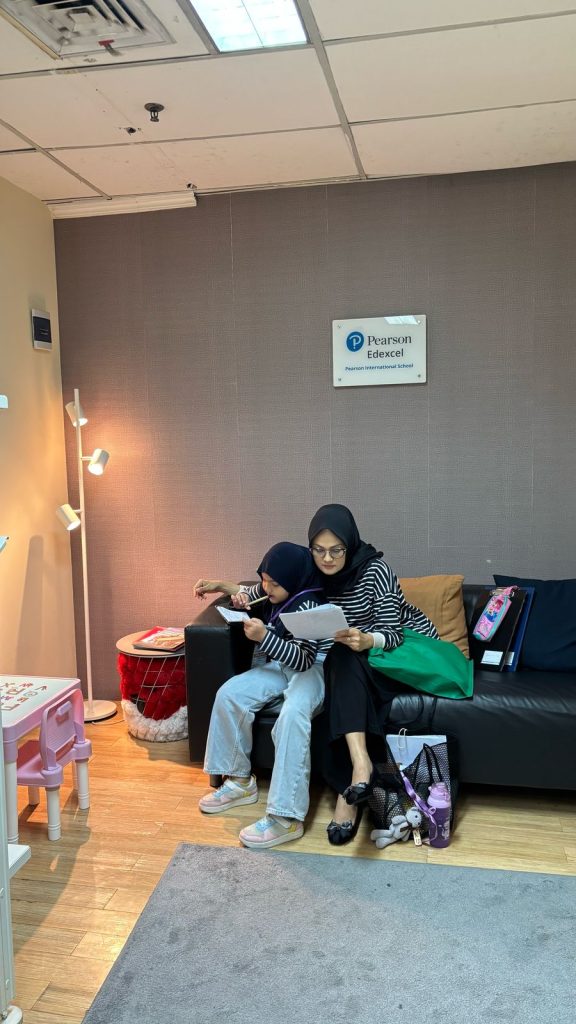
Jakarta Academics states that it has been an official Pearson Edexcel study centre since 2020 and offers UK qualification pathways including IGCSE and A Levels.
The school offers students different ways to learn, including physical group study and learning from home, allowing families to choose an environment that better matches their circumstances.
The value of this model is not simply flexibility for the sake of flexibility.
It is about creating an education experience where the academic pathway can be maintained while the learning environment is adapted to the student.
Academic Achievement at Jakarta Academics
Flexible education does not have to mean lower academic standards.
Jakarta Academics has highlighted multiple Pearson Edexcel student achievements, including students receiving Pearson High Achiever recognition.
For example, Sherleen Emmanuel Xie, who had previously been homeschooled with her parents, joined Jakarta Academics for additional academic support and later achieved a Pearson High Achiever Award in 2023.
Another Jakarta Academics student, Mutiara Libra Pradnyana, received a Pearson Edexcel High Achiever Award in 2024 for outstanding IGCSE performance.
The school has also reported multiple Pearson Edexcel awards associated with high-performing students in the Asia-Pacific region.
These achievements demonstrate an important principle:
Flexible education does not mean compromising academic ambition.
With the right academic structure, personalised support and qualified teachers, students can pursue rigorous international qualifications while learning in a way that fits their individual needs.
Is Pearson Edexcel Right for Your Child?
Pearson Edexcel may be worth considering if your child:
- Wants an internationally recognised academic qualification
- Is considering university abroad
- Needs a more flexible learning schedule
- Prefers smaller classes
- Benefits from personalised academic support
- Is balancing school with sport, arts or other commitments
- Has previously struggled in a conventional classroom
- Wants a structured academic pathway without a fully traditional school environment
However, Pearson Edexcel is not automatically the right choice for every student.
The best education pathway depends on your child’s academic goals, learning style, personality, family circumstances and future university plans.
Frequently Asked Questions About Homeschooling Pearson Edexcel Jakarta
Is Pearson Edexcel a curriculum?
Pearson Edexcel is more accurately described as Pearson’s qualification and awarding brand rather than a single curriculum. It offers qualifications including International GCSE and International A Level that are based on the British education tradition.
Can I homeschool my child with Pearson Edexcel?
A flexible or home-based learning model can be combined with Pearson qualifications, but families need to ensure that teaching, registration and examination arrangements are handled through an appropriate authorised centre or examination arrangement.
Is Pearson Edexcel recognised internationally?
Pearson states that its Edexcel qualifications are internationally recognised and designed to support progression to higher education and employment.
Is Pearson Edexcel better than Cambridge?
Neither qualification system is universally “better.” Pearson Edexcel and Cambridge offer respected international qualifications, but the best choice depends on the student’s subjects, learning needs, assessment preferences and university pathway.
Is Pearson Edexcel suitable for homeschooling in Jakarta?
Yes, Pearson Edexcel qualifications can fit within a flexible education model when the appropriate academic and examination arrangements are in place. The key is choosing an educational provider that can provide both academic support and a recognised qualification pathway.
Where can I study Pearson Edexcel in Jakarta?
Families looking for a flexible Pearson Edexcel pathway in Jakarta can explore authorised or approved educational centres and ask specifically about their Pearson Edexcel status, available qualifications, examination arrangements, subjects and university pathways.
The Future of International Education Is More Flexible
Education does not have to be defined by a single classroom model.
For some students, the traditional classroom remains the best environment.
For others, homeschooling, online education or hybrid learning may provide the flexibility they need to achieve their potential.
Pearson Edexcel provides one established qualification pathway within the broader British education ecosystem. Combined with the right learning environment, it can give students the opportunity to pursue rigorous international qualifications without necessarily following a conventional school model.
For families searching for homeschooling Pearson Edexcel Jakarta, the real question is therefore not simply:
“Which school has the best curriculum?”
It is:
“Which learning environment can help my child achieve their academic goals while allowing them to learn in the way that works best for them?”
At Jakarta Academics, the answer is built around flexibility, personalised learning, small classes and internationally recognised qualifications, giving students a different way to learn without lowering the academic standard.