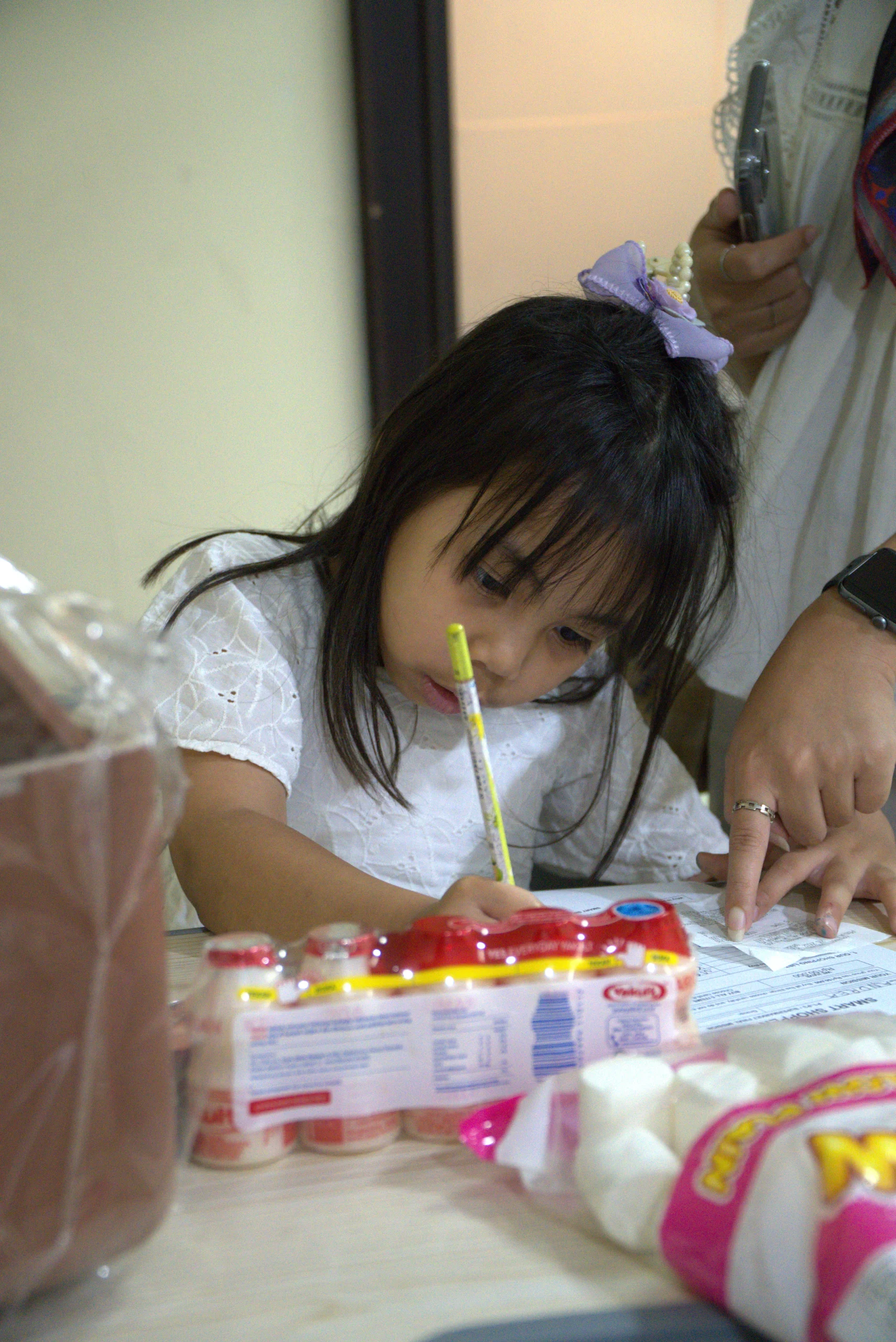
Homeschooling (sekolah di rumah) organises learning mainly outside a conventional school, often with parents or tutors in charge. Online school delivers a school-managed programme through live or recorded digital lessons. Hybrid school combines online lessons with face-to-face classes on campus. The right choice depends on how much structure, flexibility, and in-person interaction your child needs.
Choosing the right education for your child can feel overwhelming. Parents in Indonesia are no longer limited to traditional schools: homeschooling, online school, and hybrid school have all become real alternatives.
In this guide, we explain how each model works, compare their advantages and challenges, share what to ask before enrolling, and help you decide which pathway fits your child.
Why Are Parents Exploring Different Schooling Options?
Traditional schools remain an excellent choice for many students. A structured timetable, regular classroom interaction, and established programmes provide a strong foundation for learning.
However, some families need something different. A student who competes in sports may need more time for training. A family that travels often may prefer learning that does not depend on daily campus attendance. Other students benefit from smaller classes, extra academic support, or a schedule that suits them better.
The important question is not which model is universally better. It is which learning environment gives your child the right mix of academic quality, structure, flexibility, and support.
What Is Homeschooling (Sekolah Rumah)?
Homeschooling is an education model in which a child’s learning is organised primarily outside a conventional school setting, often under the responsibility of parents or guardians. Families may use independent study, private tutors, online resources, or a homeschooling provider. It can follow a national or international curriculum, depending on the programme and the family’s goals.
How Does Homeschooling Work?
There is no single format. Some families organise everything themselves, while others work with providers that offer structured lessons, assessments, and academic guidance. A typical arrangement may include:
- A learning plan based on the student’s goals.
- Lessons with parents, tutors, or teachers.
- Independent study and assignments.
- Regular assessments to monitor progress.
- Extracurricular activities and social opportunities.
Before choosing, clarify who is responsible for curriculum planning, assessment, academic monitoring, and examination arrangements. If you want flexibility but also consistent guidance, a structured homeschooling programme in Jakarta and Bali may be worth considering.
Benefits of Homeschooling
- Greater flexibility: families may have more control over when and where learning happens.
- A learning approach suited to the student: activities can match the student’s interests, pace, and needs.
- More room for other interests: sports, arts, music, or entrepreneurship can fit alongside studies.
- Greater family involvement: parents can take an active role in their child’s progress.
Challenges of Homeschooling
Parents may need to invest significant time in organising lessons, monitoring progress, and finding resources. Students also need deliberate opportunities to build friendships and take part in group activities.
What Is an Online School?
An online school delivers education primarily through digital platforms. Students attend live virtual classes, complete assignments online, access learning resources, and communicate with teachers remotely. Compared with independent homeschooling, an online school generally offers a more structured, school-managed programme, although the level of structure varies by provider.
How Does Online School Work?
A typical programme may include scheduled live lessons, digital materials and assignments, online discussions, regular assessments and progress reports, and academic guidance from teachers.
Before enrolling, find out whether lessons are live, recorded, or a mix of both. Also ask about the curriculum, assessment system, teacher qualifications, and arrangements for formal examinations.
Benefits of Online Schooling
- Location flexibility: students can learn from home or another suitable place, subject to school requirements.
- Structured academic support: timetables, teaching plans, assignments, and assessments help students stay on track.
- Access to different programmes: families can reach programmes that may not be available locally.
- Less daily commuting: especially valuable in congested cities such as Jakarta.
Challenges of Online Schooling
Online learning needs reliable internet, suitable devices, and a space where students can concentrate. Some students need extra support with motivation, screen time, and engagement. Ask how the school encourages collaboration and peer relationships beyond the screen.
What Is a Hybrid School?
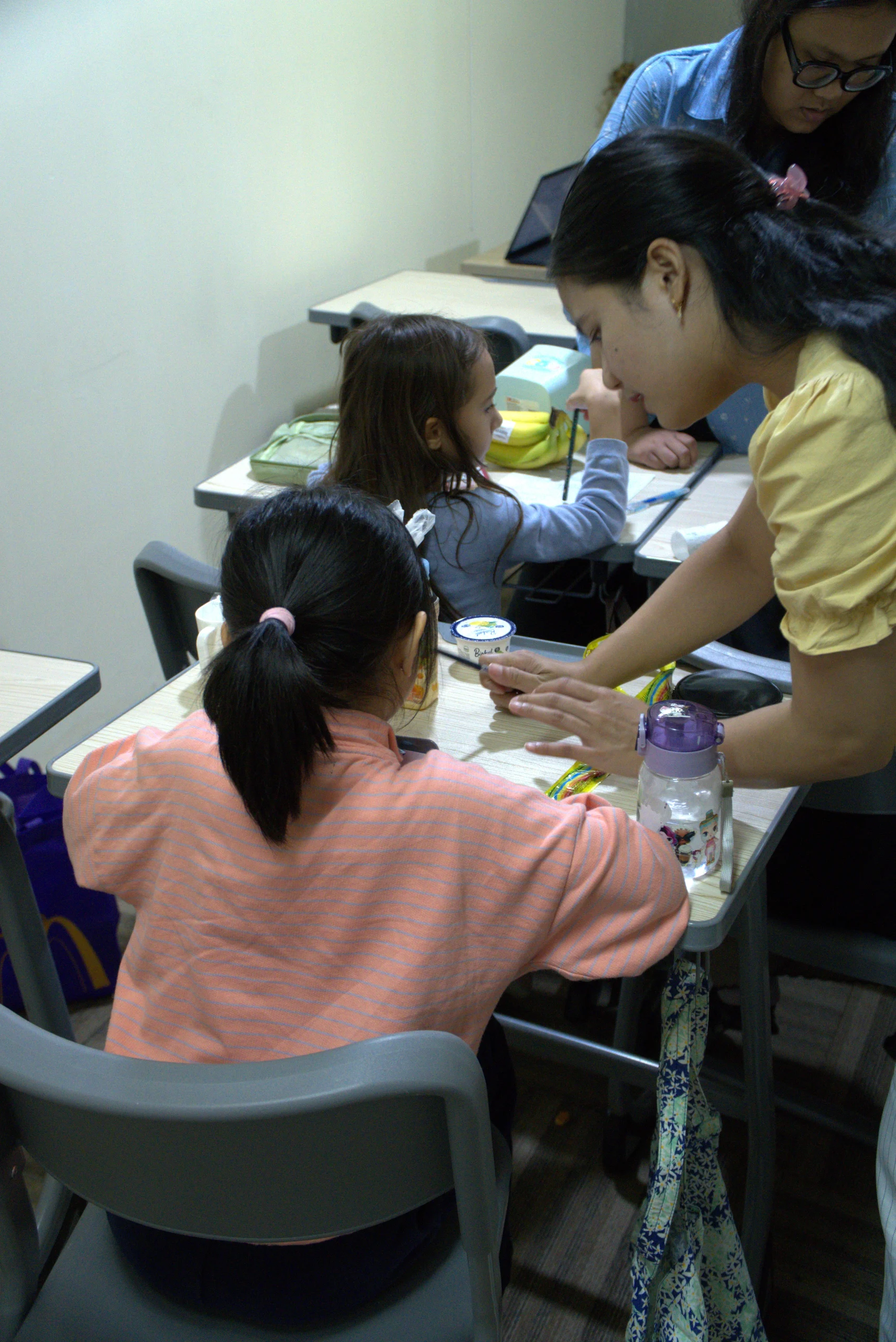
A hybrid school combines online and face-to-face learning within one structured programme. Students may attend campus on selected days and complete other lessons online, or combine online academic lessons with onsite activities, mentoring, and group learning. The aim is to pair the convenience of remote learning with the benefits of in-person interaction.
Hybrid models vary, so check how much teaching takes place online, how often students attend campus, and whether attendance is fixed or flexible. If you are exploring this option in Jakarta or Bali, you can see how hybrid and small-group learning formats are structured at one provider.
How Does Hybrid School Work?
A hybrid school may offer live online lessons, face-to-face classes, small-group sessions, online assignments and independent study, and onsite activities with peers. For example, a student might attend onsite lessons for selected subjects while joining other classes online. Another programme may use a regular campus schedule with online learning built into the timetable.
Benefits of Hybrid Schooling
- A balance of flexibility and structure: online convenience plus direct, in-person teaching.
- Face-to-face interaction: onsite classes help students build relationships and practise communication.
- Multiple learning environments: digital learning and classroom experience in one programme.
- Potentially more adaptable routines: useful for students balancing study with other commitments.
Challenges of Hybrid Schooling
Students must manage online assignments alongside onsite lessons, and families need to understand the timetable, attendance expectations, and communication procedures. Make sure online and in-person lessons are coordinated rather than feeling like two disconnected experiences.
Homeschooling vs Online School vs Hybrid School: Key Differences
| Comparison |
Homeschooling |
Online School |
Hybrid School |
| Main learning environment |
Home or another chosen setting |
Primarily online |
Online and onsite |
| Academic structure |
Depends on the family or provider |
Usually provided by the school |
Usually provided by the school |
| Teacher interaction |
Depends on the arrangement |
Mainly virtual |
Virtual and face-to-face |
| Schedule flexibility |
Can be high |
Varies by programme |
Varies by programme |
| Social interaction |
Organised by the family or provider |
Virtual and offline activities |
Onsite classes and activities |
| Parent involvement |
May be substantial |
Depends on age and programme |
Depends on age and programme |
| Best for |
Families who want maximum control over pace and schedule |
Students who are self-motivated and need location flexibility |
Students who want flexibility but also regular in-person contact |
The main distinction is how responsibility, teaching, and learning environments are organised. Homeschooling offers considerable flexibility but may require parents to take a more active role. Online school provides a structured programme without regular campus attendance. Hybrid school combines remote learning with face-to-face teaching.
None of these models guarantees better academic outcomes by itself. Teaching quality, curriculum, student support, and the suitability of the environment all matter.
What About Costs?
Costs vary considerably between providers. Factors include tuition, curriculum materials, tutoring, examination fees, learning devices, internet access, transportation, and extracurricular activities.
Homeschooling may involve costs for tutors, resources, and assessments. Online school fees may cover teaching and digital platforms, while hybrid fees may also reflect onsite facilities. It is not accurate to assume homeschooling is always cheaper or hybrid always more expensive.
When comparing programmes, ask for a full breakdown of tuition and additional fees, and compare the whole academic pathway rather than tuition alone. For families pursuing international qualifications, confirm whether examination fees and preparation classes are included.
Which Schooling Option Is Right for Your Child?
Use these five questions to evaluate your options.
1. How Much Structure Does Your Child Need?
Some students manage independent study well. Others need regular timetables, teacher supervision, and clear milestones. If your child needs consistent structure, look for defined learning goals, regular assessments, and accessible teacher support.
2. How Important Is Face-to-Face Interaction?
If regular in-person contact matters, a hybrid programme with meaningful onsite lessons may suit best. If your child is comfortable learning remotely, an online programme can work, provided it offers academic and social support.
3. Does Your Family Need a Flexible Schedule?
Travel, sports training, and artistic commitments are common reasons families look for flexibility. But flexibility should not mean an absence of academic expectations. Ask how the programme monitors progress.
4. What Curriculum and Qualifications Does the Programme Offer?
This matters most for future university applications. Ask whether the programme follows the Indonesian national curriculum, an international curriculum, or another framework. If your child plans to take International GCSEs or International A Levels, confirm the examination arrangements and the provider’s status. Do not assume all providers offer the same qualifications.
5. How Does the School Support Academic Progress?
Ask how teachers identify learning gaps, communicate with parents, assess performance, and help students who struggle. A good programme has a clear approach to monitoring rather than leaving students to manage everything alone.
Which Option Is Better for International Education?
For families seeking international education, the learning format is only one part of the decision. Curriculum, teaching quality, assessment arrangements, and available qualifications matter just as much. A student can pursue international education through different arrangements, so what matters is understanding exactly what the provider offers.
For example, families considering a British curriculum pathway should ask which subjects are available, how students prepare for examinations, and whether the provider has the appropriate status for the services it offers. You can read more about international homeschooling options before comparing providers.
Students planning to attend university should research entry requirements for their intended courses and destinations. Admission depends on the qualifications achieved and each institution’s requirements. No learning model guarantees admission.
How Jakarta Academics Supports Flexible International Learning
At Jakarta Academics (JA), we recognise that students do not all learn in the same way. Some prefer online lessons, others thrive in a physical classroom, and some families want a combination.
JA offers different learning formats in Jakarta and Bali, including online, onsite small-group learning, and hybrid learning. The available arrangement depends on the programme and the student’s needs. Our approach combines academic guidance, small-group learning, and international curriculum pathways, including Pearson Edexcel programmes.
[Add a short, real example here, such as a Jakarta family whose student combined sports training with a hybrid timetable. Use only details you can confirm.]
Explore the learning options available at Jakarta Academics:
Frequently Asked Questions
Is homeschooling the same as online school?
No. Homeschooling organises learning primarily outside a conventional school, often led by parents or guardians. Online school delivers education through a digital platform and generally provides a school-managed programme. Some homeschooling arrangements also use online lessons.
Is hybrid school better than online school?
Not necessarily. Hybrid combines online and onsite learning, while online school relies mainly on virtual instruction. Hybrid may suit students who benefit from face-to-face interaction, but the right choice depends on teaching quality, student needs, and programme design.
Can children socialise while homeschooling?
Yes. Homeschooled students can build friendships through extracurricular activities, sports, community groups, learning centres, and organised events. Plan for regular opportunities to interact with other children.
Is online school suitable for primary school students?
It can be, if the programme offers age-appropriate instruction, teacher support, and supervision. Younger children usually need more help with routines, concentration, and independent learning.
Can students from homeschooling or online school attend university?
Potentially, yes. Eligibility depends on the qualifications obtained, the institution’s requirements, the student’s academic record, and admissions rules. Verify these details before choosing a programme.
Is homeschooling (sekolah rumah) legal in Indonesia?
Indonesia recognises home-based education within its education framework, but the requirements and pathways depend on the arrangement. Parents should consult the relevant education authorities and confirm how assessment, equivalency (penyetaraan), and qualifications are handled before enrolling. For official information, see the Ministry of Primary and Secondary Education’s Sekolahrumah programme information.
How do I choose between homeschooling, online school, and hybrid school?
Start with your child’s academic needs, preferred learning environment, schedule, and long-term goals. Then compare programmes by teaching support, curriculum, assessment, costs, and qualifications.
Find the Learning Approach That Fits Your Child
Homeschooling, online school, and hybrid school each organise education differently. The right choice depends on the student, the family’s needs, and the quality of the programme. Look beyond the label and understand what each option actually offers.
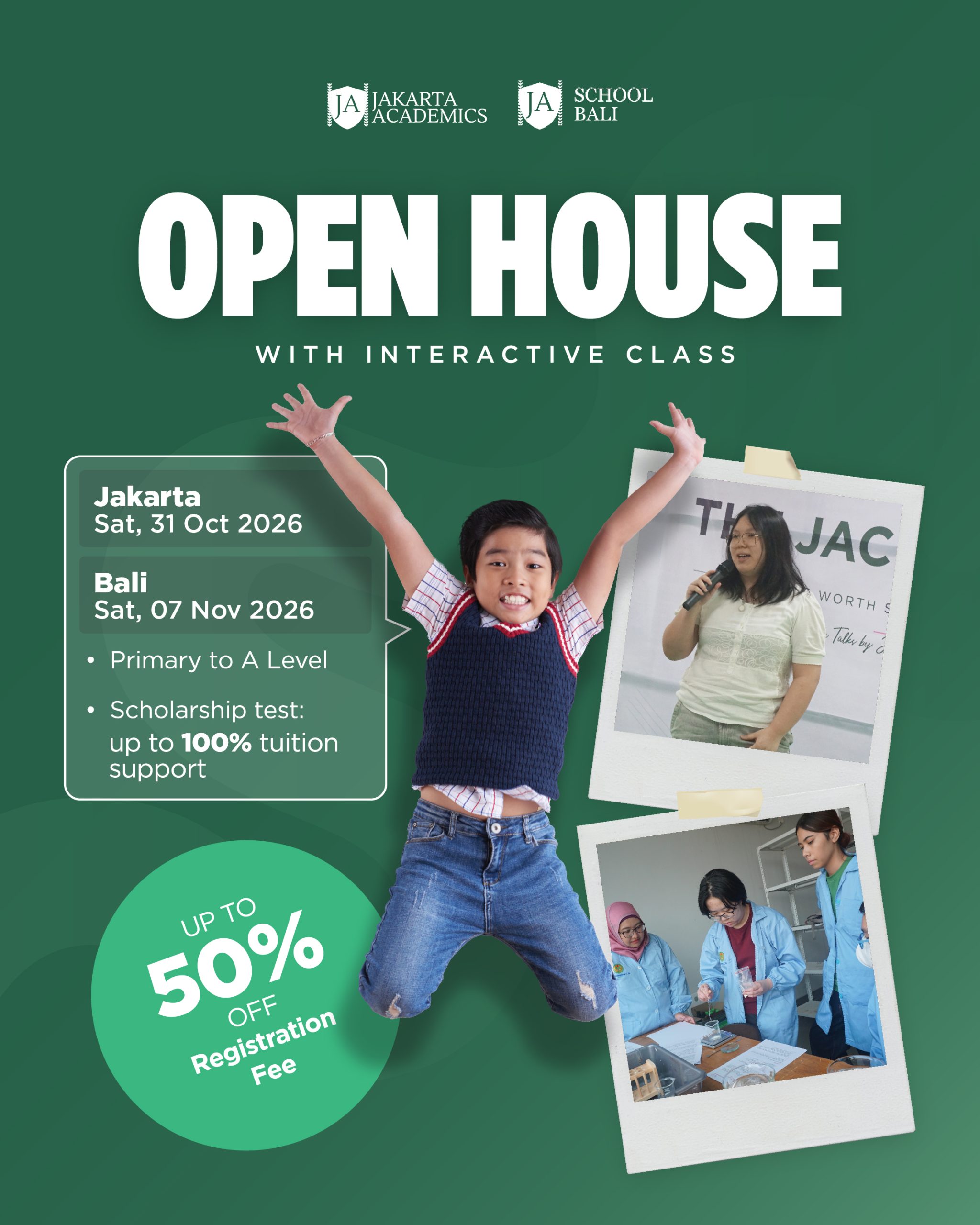
Ready to explore your child’s learning options? Contact Jakarta Academics to learn more about programmes in Jakarta and Bali and discuss which arrangement may suit your family.
Explore Jakarta Academics
Disclaimer: Programme availability, curriculum, qualifications, and examination arrangements may vary. Please confirm the current details directly with Jakarta Academics before enrolling.