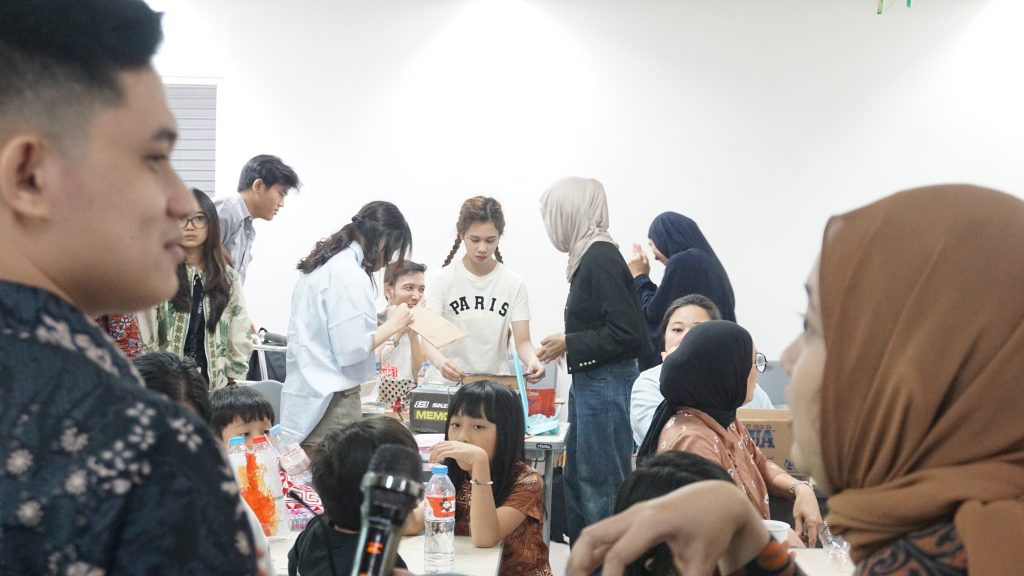
Bali has become home to many families from different countries. Children growing up here can have a very different experience compared to those who have spent their childhood in the same city or country.
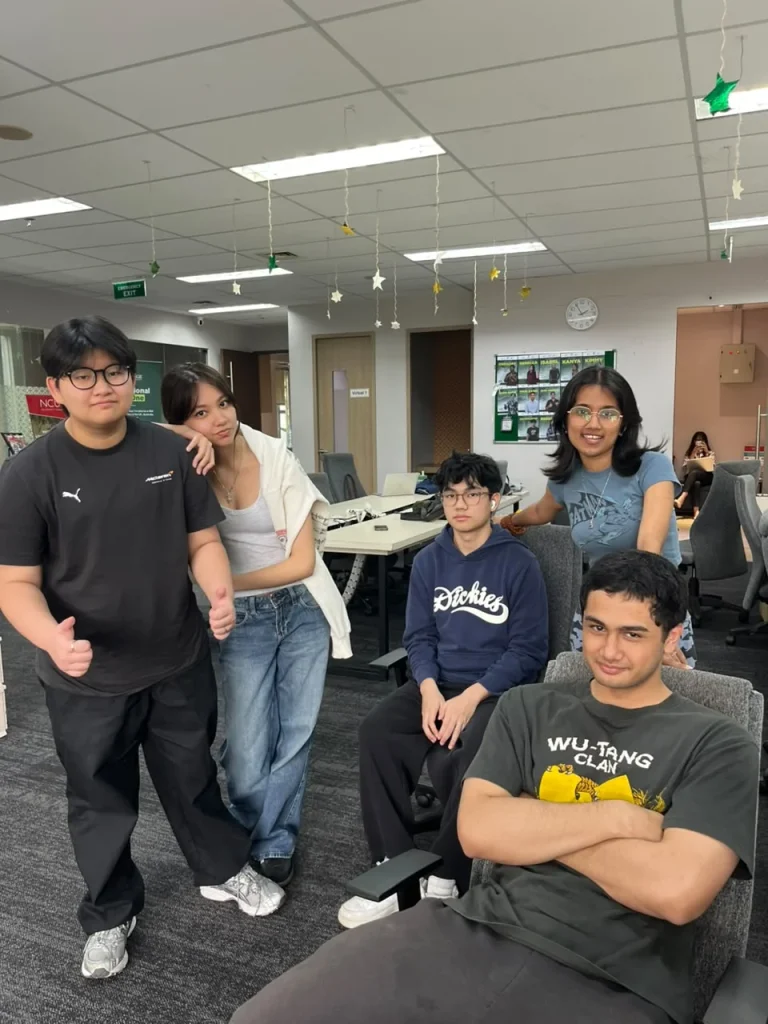
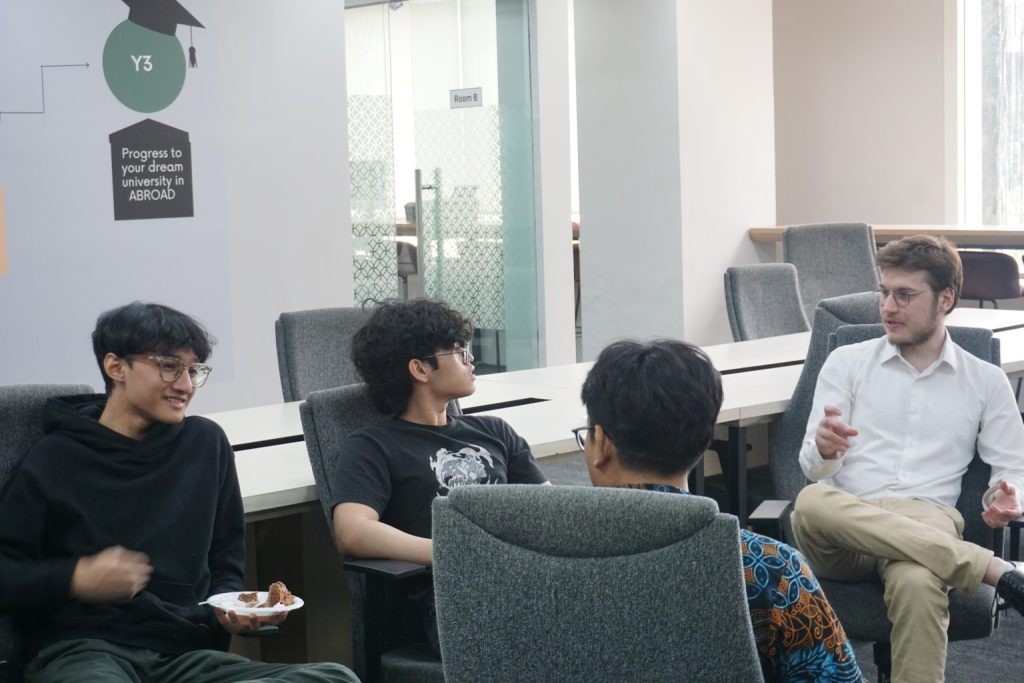
At school, they may meet friends from Indonesia, Australia, Russia, Europe, and many other countries. They may hear several languages throughout the day, experience different cultures, and become accustomed to the idea that everyone can have a different way of living.
At first glance, this sounds like an ideal experience.
But there is one thing parents sometimes overlook:
Does their child’s learning environment also help them grow and thrive in the middle of all this diversity?
Contents
- Expat Children Need More Than an English-Speaking School
- What About Russian Expat Families in Bali?
- When Children Come from Different Educational Backgrounds
- An International Curriculum, But Still Personal
- Children Also Need Space to Be Themselves
- A Multicultural School Should Also Help Children Adapt
- JA School Bali: International Learning with a More Personal Approach
Expat Children Need More Than an English-Speaking School
When looking for a school in Bali, many expat parents naturally consider an English-speaking environment. This is important, especially if their child plans to continue their education within an international education system.
However, an international school is not only about using English in the classroom. Children also need to feel comfortable asking questions, expressing their opinions, working with others, and being themselves.
When children grow up in a multicultural environment, these abilities become even more important. They may have friends from different cultural backgrounds, and their ways of thinking may be different. Even something that seems normal to one child may not necessarily be viewed the same way by another.
This is where a more personalised learning experience can make a difference.
What About Russian Expat Families in Bali?
Bali has a diverse international community, and Russian families are also part of that community. For Russian families living in Bali, for example, their children’s educational journey may involve more than one education system.
One child may have previously studied within the Russian education system before continuing their education internationally in Bali. Another may have grown up in an English-speaking environment from an early age.
Every child has a different experience. Because of this, schools cannot always use the same approach for every student.
What matters more is whether teachers understand where each child is in their learning journey and what they need to continue developing.
When Children Come from Different Educational Backgrounds
Imagine a classroom with several students who have different educational experiences.
Some may be very confident speaking English. Others may understand the material quickly but still feel hesitant to express their opinions. Some may have strong academic abilities but need more time to adjust to a new environment.
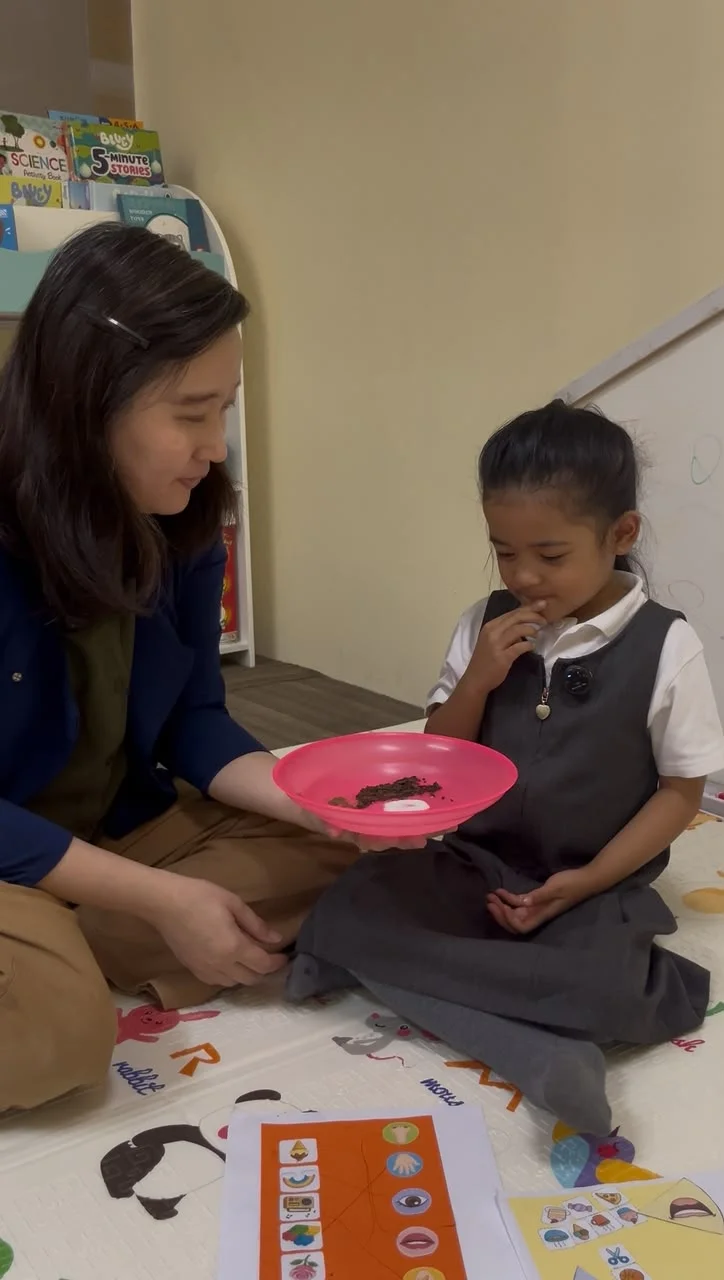
In a very large class, differences like these can be more difficult to notice. In small classes, however, teachers have a greater opportunity to get to know each student.
It is not only about knowing their grades, but also understanding how they learn, what they enjoy, and which areas may still require additional support.
An International Curriculum, But Still Personal
For expat families, an international curriculum is naturally one of the key considerations.
At JA School Bali, students follow the Pearson Edexcel International Curriculum in an English-speaking environment.
However, an international curriculum still needs to be delivered in a way that keeps children engaged in their learning.
Every child has a different pace, interests, and learning style.
Through personalised learning, teachers can provide attention that is better suited to each student’s individual needs.
The goal is not to make learning easier.
Instead, students continue to receive academic challenges while having the support they need to learn and grow effectively.
Children Also Need Space to Be Themselves
For children growing up in an international community, school can also be a place where they develop their identity and confidence.
They need opportunities to try new things. Perhaps they are interested in art, coding, sports, photography, music, or entrepreneurship. This is why the school experience should go beyond lessons and exams.
At JA School Bali, students also take part in Passion Project and Life Skills as part of their learning experience.
Through activities like these, students have opportunities to explore their interests, learn to make decisions, manage their time, work with others, and take responsibility for what they do.
A Multicultural School Should Also Help Children Adapt
One of the benefits of growing up in a multicultural environment is that children learn that the world is not limited to one way of thinking.
However, diversity can also come with its own challenges. Children need to learn how to communicate with people who may be different from them.
How do you express your opinion without putting someone else down?
How do you work in a group when everyone has different ideas?
How do you respond when someone does not have the same habits or customs as you?
These abilities may not always appear on a report card. However, they can become extremely valuable when children continue their education at university or enter an increasingly global workplace.
JA School Bali: International Learning with a More Personal Approach
JA School Bali combines the Pearson Edexcel International Curriculum, an English-speaking environment, small classes, and personalised learning.
With smaller class sizes, teachers have more opportunities to get to know students personally and provide more individual attention.
Beyond academics, students also gain experience through Passion Project, Life Skills, and Sport Day.
This approach is designed to help students develop more than just academic knowledge. It also supports their confidence, independence, communication skills, and ability to adapt.
For children growing up in an international environment, education is not simply about preparing them for one country.
They are preparing for a much bigger world.
Choosing a School for an Expat Child in Bali
Ultimately, there is no single school that is right for every child.
Every family has different needs, and so does every student.
For expat parents, perhaps the question is not only:
“Is this an international school?”
It could also be:
“Will my child be seen, supported, and given room to grow here?”
An international curriculum provides the foundation.
But the right learning environment can help children develop the confidence to make the most of it.
And for children growing up in Bali, surrounded by an increasingly multicultural world, the ability to learn, adapt, and remain true to themselves may be one of the most valuable things they can take with them.
If you are looking for an international school in Bali for your child and want to see how personalised learning works in a smaller learning environment, you are welcome to visit JA School Bali and experience the learning environment firsthand.