When people hear the words homeschooling or online learning, one common misconception often comes up:
“Can students really achieve strong academic results if they are not learning in a conventional school environment?”
The answer is yes.
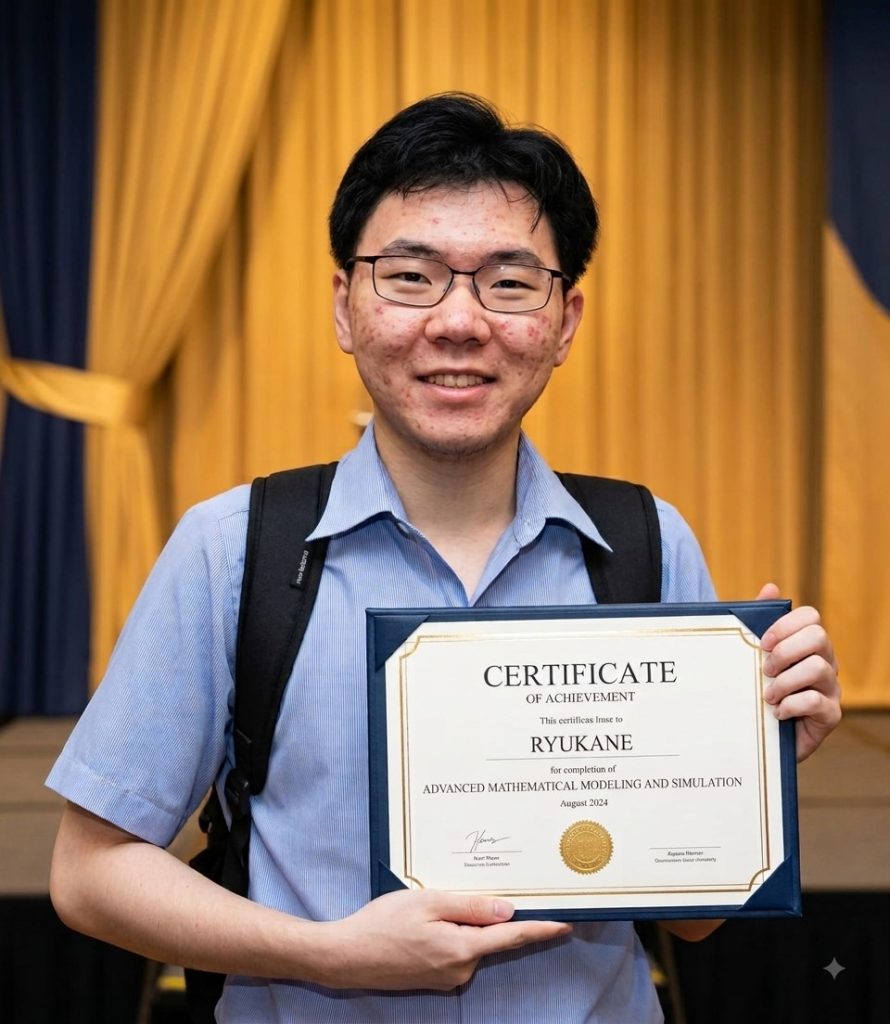
Ryukane, a Jakarta Academics student, is one example of how a flexible learning environment can support academic excellence. Despite completing his learning through an online and flexible model, Ryukane achieved an outstanding result in his 2026 IGCSE examinations, earning an A* in Mathematics and an A in Physics.
His achievement challenges the assumption that students need to be physically present in a conventional classroom every day to perform academically.
Meet Ryukane: A Strong 2026 IGCSE Result
In his 2026 IGCSE results, Ryukane achieved:
- A* in Mathematics
- A in Physics
These are strong results, particularly in subjects that require consistent practice, conceptual understanding, problem-solving, and independent study. His results demonstrate that where a student learns does not automatically determine how well they can perform academically.
What matters is whether the learning environment provides the right support, structure, resources, and opportunities for the student to develop.
Can Online Learning Really Prepare Students for IGCSE?
One of the biggest questions parents may have about online or homeschooling education is whether students can achieve the same academic standards as students in conventional schools.
Ryukane’s experience provides a real example.
Although his learning took place through an online learning model, he was still able to work toward an internationally recognized qualification and achieve excellent results.
For students taking IGCSE, success requires more than simply attending classes.
Students need to develop:
- Strong subject knowledge
- Independent learning skills
- Time management
- Consistent study habits
- Problem-solving skills
- Exam preparation strategies
- The ability to take responsibility for their own learning
An online or hybrid learning environment can support these skills when it is designed around the individual student.
Breaking the Misconception: Homeschooling Students Are Academically Behind
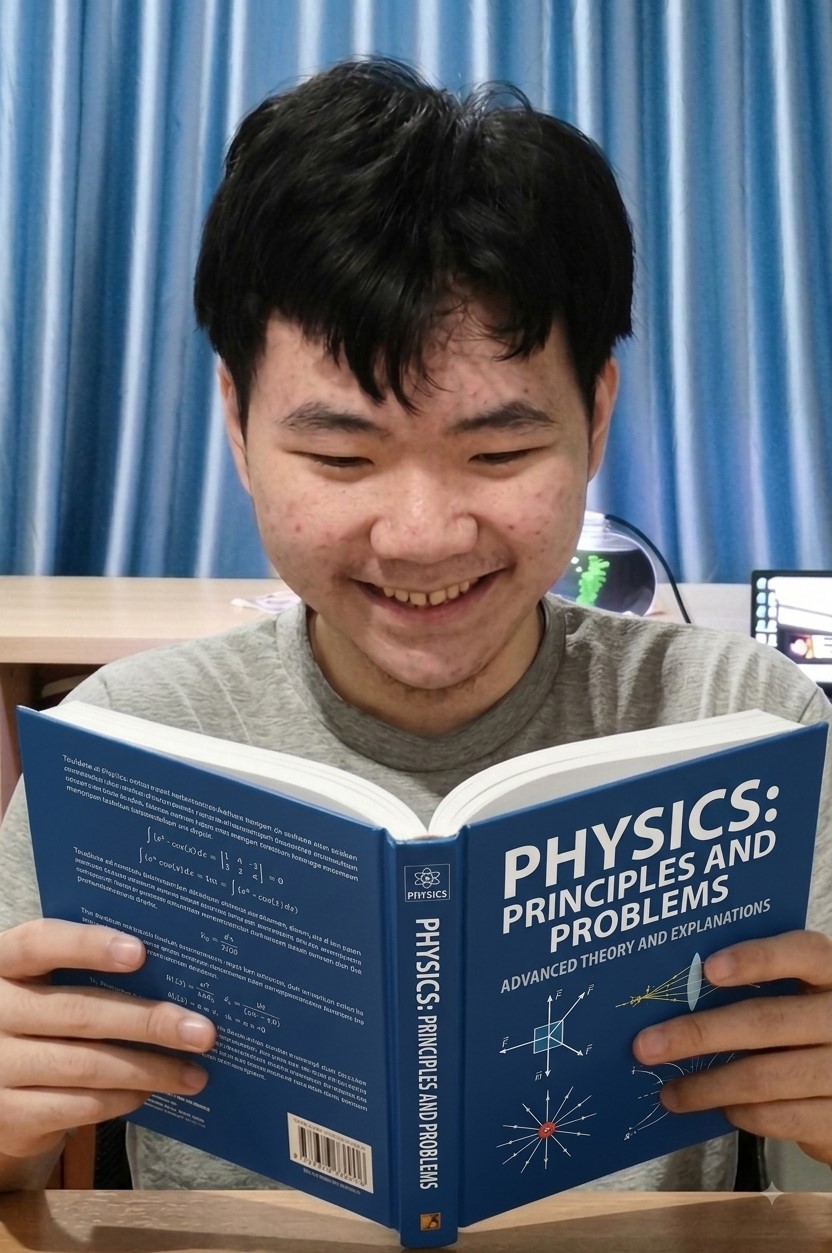
There is a common stigma that homeschooling students may be academically behind their peers. However, this assumption does not reflect every student’s experience.
Students learn differently.
Some students perform better when they have a highly structured classroom environment. Others may perform better when they have greater flexibility, fewer distractions, and more control over their learning pace.
Ryukane’s results are one example of how flexible and online learning can support high academic achievement.
An A* in Mathematics and an A in Physics show that learning outside a conventional school environment does not mean lowering academic expectations. In fact, for some students, the flexibility of online or hybrid learning can allow them to focus more effectively on their academic goals.
What Makes Flexible Learning Different?
At Jakarta Academics, we believe education should not be about forcing every student into the same environment. A student’s learning needs can be different. Some students may prefer learning primarily online. Others may want regular face-to-face interaction.
Some may want a combination of online learning and onsite activities. This is where hybrid learning can provide an alternative. Students can have the flexibility of online learning while still having opportunities to participate in offline activities, connect with peers, and engage with their school community.
The goal is not to choose between online and offline learning simply because one is considered “better.” The goal is to find the environment that helps each student perform at their best.
Academic Excellence Does Not Depend on a Traditional Classroom Alone
Ryukane’s achievement also highlights an important point about modern education.
A physical classroom is one way of learning, but it is not the only way.
With access to qualified teachers, appropriate learning resources, structured academic support, and a curriculum such as Pearson Edexcel IGCSE, students can pursue rigorous academic qualifications through flexible learning models.
What matters is the quality of the educational experience and how well it supports the individual student.
This is particularly relevant for students who may not thrive in a conventional school environment.
A flexible model can allow students to create a learning routine that better fits their individual needs while maintaining academic expectations.
IGCSE Results Are About More Than Grades
While Ryukane’s A* in Mathematics and A in Physics are certainly worth celebrating, the achievement represents more than two grades.
It demonstrates the potential of students who take ownership of their education.
Independent learning requires students to become more responsible for their progress.
They need to understand what they are learning, identify areas where they need improvement, and develop strategies to overcome academic challenges.
These are valuable skills not only for IGCSE but also for future university study.
From IGCSE to Future Academic Pathways
Strong IGCSE results can also provide students with a foundation for their next educational stage.
Students may continue into programmes such as A Level, Foundation, or other university preparation pathways, depending on their academic goals and preferred university destination.
For students interested in studying abroad, having strong academic foundations can be particularly important.
Ryukane’s achievement demonstrates that students do not necessarily have to follow a conventional school pathway to prepare for their future.
There can be different routes to the same goal.
A Different Learning Environment, the Same High Expectations
At Jakarta Academics, flexibility does not mean lowering academic standards. It means giving students more flexibility in how, when, and where they learn, while maintaining a clear focus on their academic development.
Ryukane’s 2026 IGCSE results are a great example of this philosophy in practice. He learned through an online and flexible environment, yet achieved results that demonstrate strong academic performance:
A* Mathematics.
A Physics.
These results challenge the idea that students who learn outside conventional schools cannot excel academically.
Breaking the Stigma Around Homeschooling and Online Learning
There is no single definition of what a successful student looks like. Some students thrive in conventional classrooms. Others may thrive through online learning. Some need a hybrid approach that combines the flexibility of online education with opportunities for face-to-face interaction.
What matters is finding the environment that allows the student to learn effectively, stay motivated, and reach their potential. Ryukane’s IGCSE achievement is one example of what is possible. His results remind us that academic excellence is not limited to one type of school or one way of learning.
And perhaps most importantly, his story helps challenge the misconception that homeschooling or online learning automatically means lower academic performance.
Sometimes, giving students the freedom and flexibility to learn in a way that works for them can help them achieve more than we expect.
Congratulations, Ryukane! 🎓
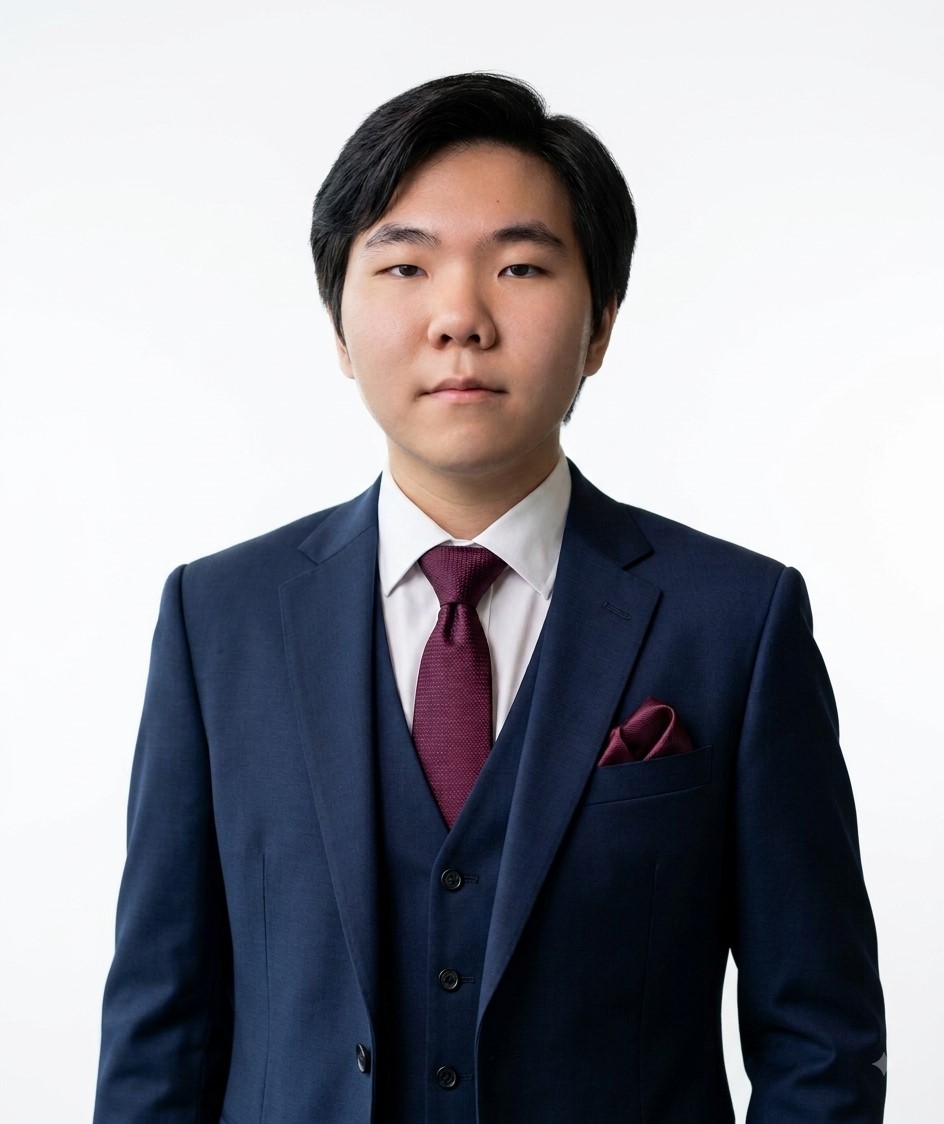
Everyone at Jakarta Academics is proud to celebrate Ryukane’s outstanding 2026 IGCSE results.
A* in Mathematics. A in Physics.
His achievement is not only a result to celebrate, but also an example of how flexible, online, and hybrid education can support students in achieving academic excellence.