Choosing the right early education programme is an important decision for parents. At the pre-primary stage, children are beginning to develop essential skills, habits, confidence, and curiosity that can support them throughout their education journey.
But does early education have to look the same for every child?
At Jakarta Academics, our Pre-Primary programme is designed around a simple idea: young children learn best when their learning environment can adapt to their needs.
Through a flexible and personalized approach, Pre-Primary at Jakarta Academics gives children opportunities to learn, explore, socialize, and develop at their own pace.
What Is Pre-Primary?
Pre-Primary education is an early stage of learning designed to prepare young children for their future educational journey.
At this stage, education is not only about teaching children academic concepts. It is also about helping them develop:
- Communication skills
- Social and emotional skills
- Independence
- Problem-solving abilities
- Creativity
- Confidence
- Early literacy and numeracy
- Curiosity and a love of learning
For young learners, these foundational skills can be just as important as learning how to read, write, or count. That is why Pre-Primary at Jakarta Academics focuses on creating meaningful learning experiences rather than simply following a fixed academic routine.
A More Personalized Approach to Early Learning
Every child develops differently. Some children are naturally curious and enjoy exploring independently. Others learn better through interaction, conversation, movement, or hands on activities. Because of these differences, a one-size-fits-all approach may not always be the best fit for every child.
At Jakarta Academics, our learning approach aims to provide a more personalized educational experience.
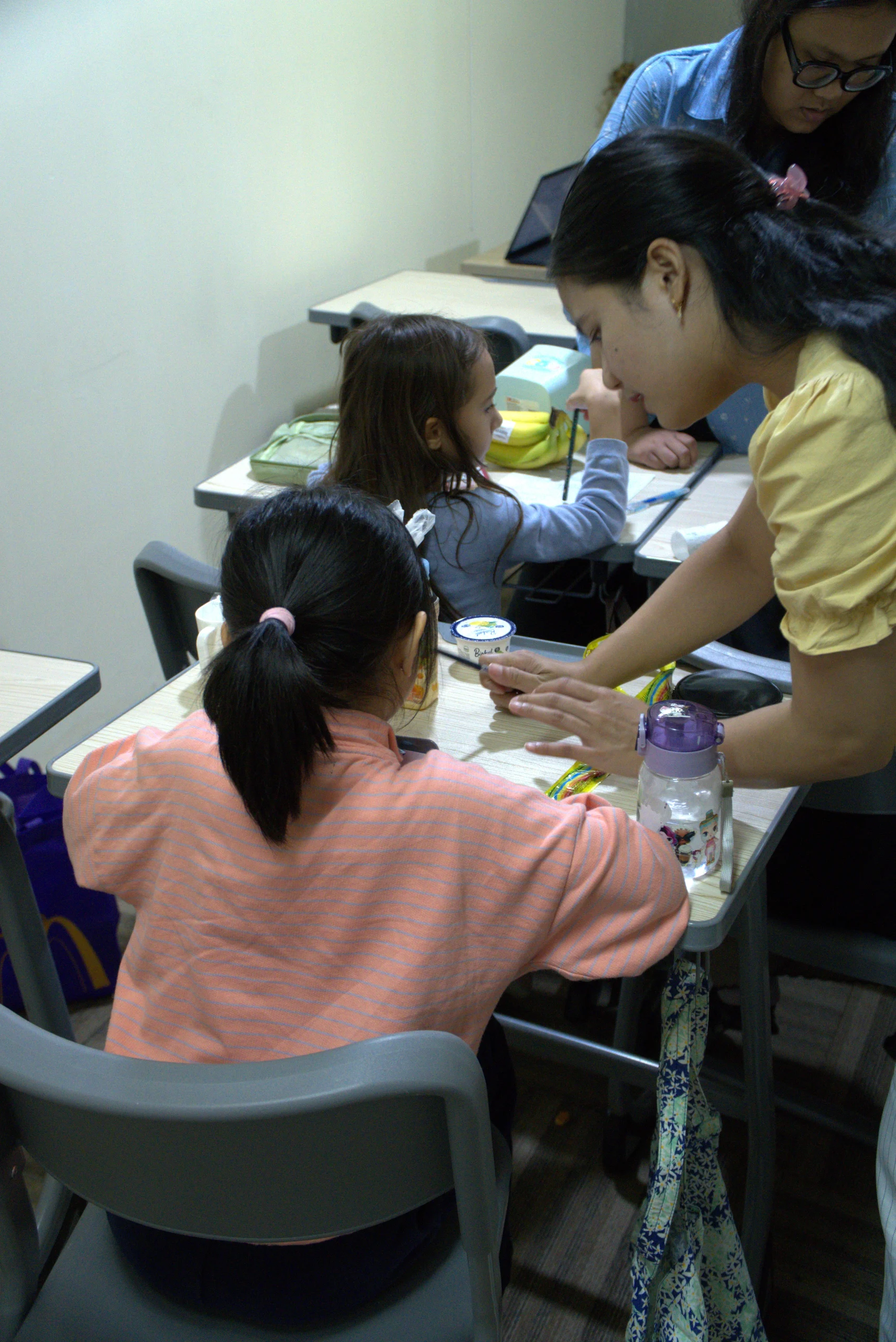
Rather than expecting every child to learn in exactly the same way and at exactly the same pace, teachers can pay closer attention to each student’s development, interests, strengths, and areas where they may need additional support. This allows learning to become more meaningful for the child.
What Do Children Learn in Pre-Primary?
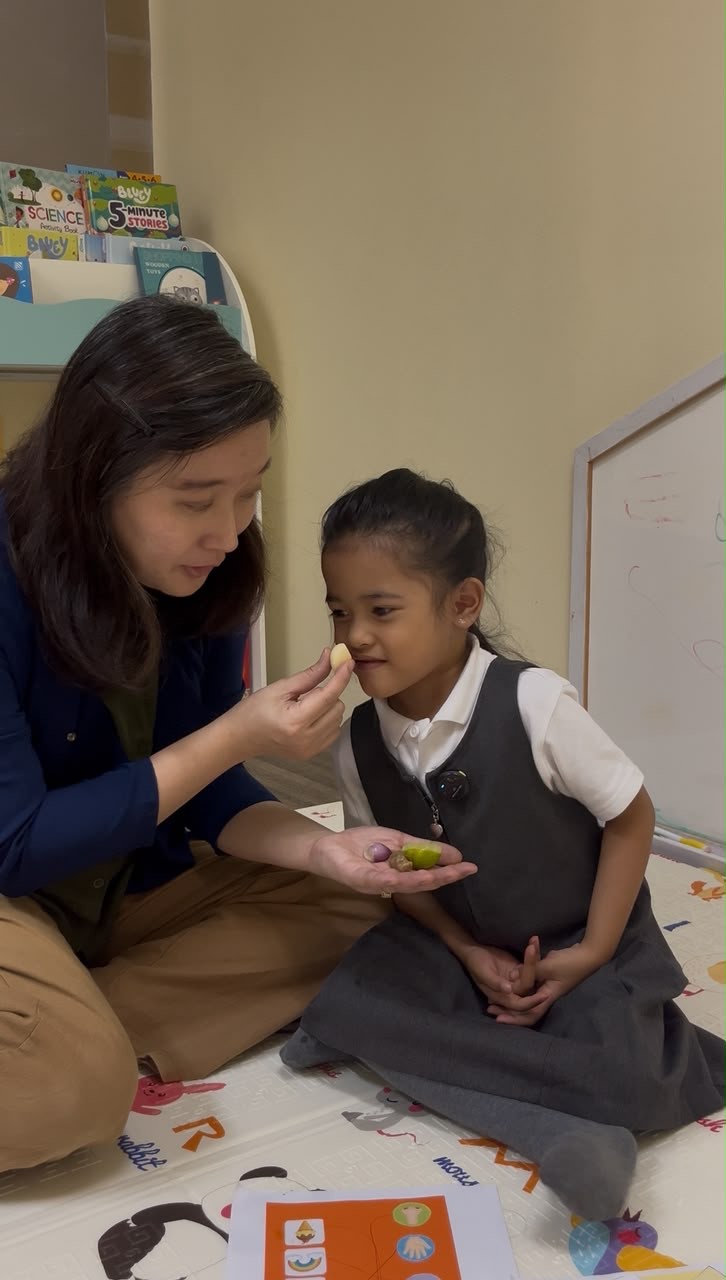
Pre-Primary is about building a strong foundation across different areas of development.
1. Early Literacy
Children begin developing the skills they need to become confident readers and communicators.
Activities may introduce children to:
- Letters and sounds
- Vocabulary
- Storytelling
- Listening
- Speaking
- Early writing skills
The goal is not simply to make children memorize letters or words. It is to help them understand that language is a tool they can use to communicate and express themselves.
2. Early Numeracy
Children are also introduced to basic mathematical concepts through age-appropriate activities.
They may explore:
- Numbers
- Counting
- Shapes
- Patterns
- Sorting
- Basic measurements
- Simple problem-solving
At this age, learning mathematics can be much more engaging when children can connect concepts with things they see and experience in everyday life.
3. Social and Emotional Development
Learning how to interact with others is an essential part of early childhood education.
Pre-Primary students can begin learning how to:
- Share
- Communicate their feelings
- Listen to others
- Cooperate
- Take turns
- Solve simple conflicts
- Build friendships
These experiences help children develop the confidence and emotional awareness they need as they grow.
4. Creativity and Exploration
Young children are naturally curious.
Pre-Primary education should give them opportunities to ask questions, experiment, create, and discover.
Creative activities such as art, storytelling, music, movement, and hands-on projects can help children express themselves while developing their imagination.
Learning Through Experience
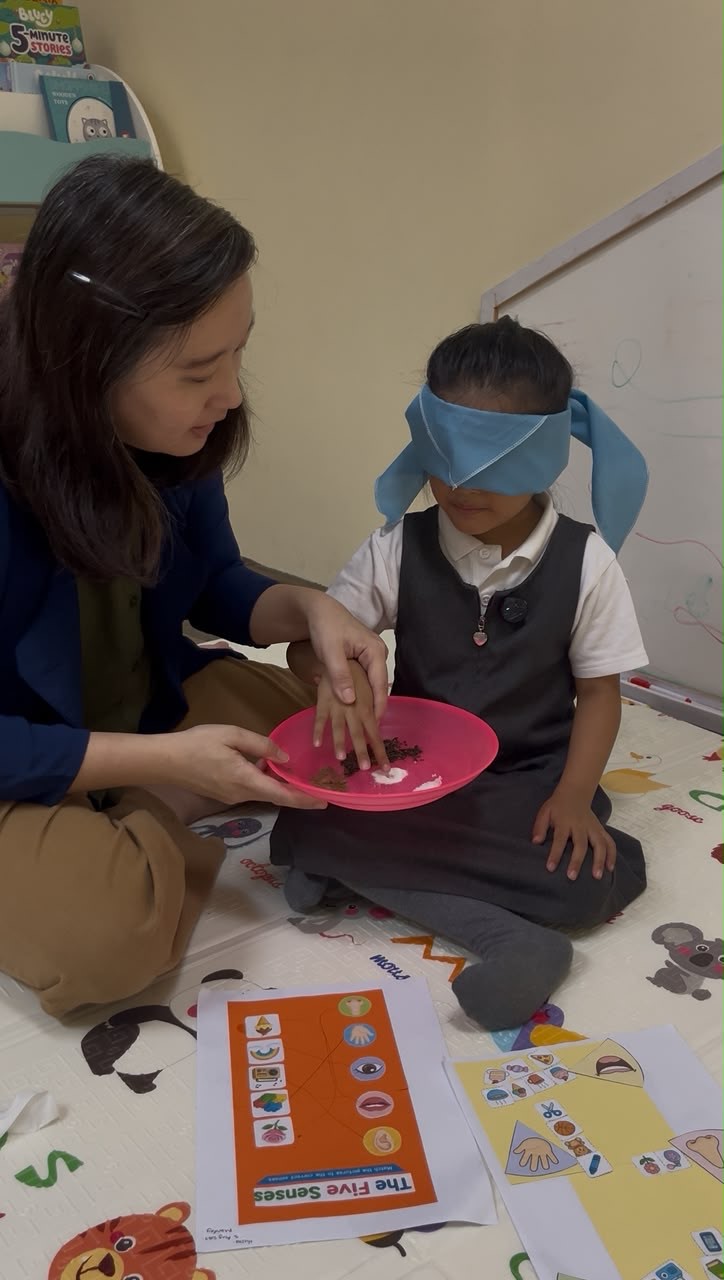
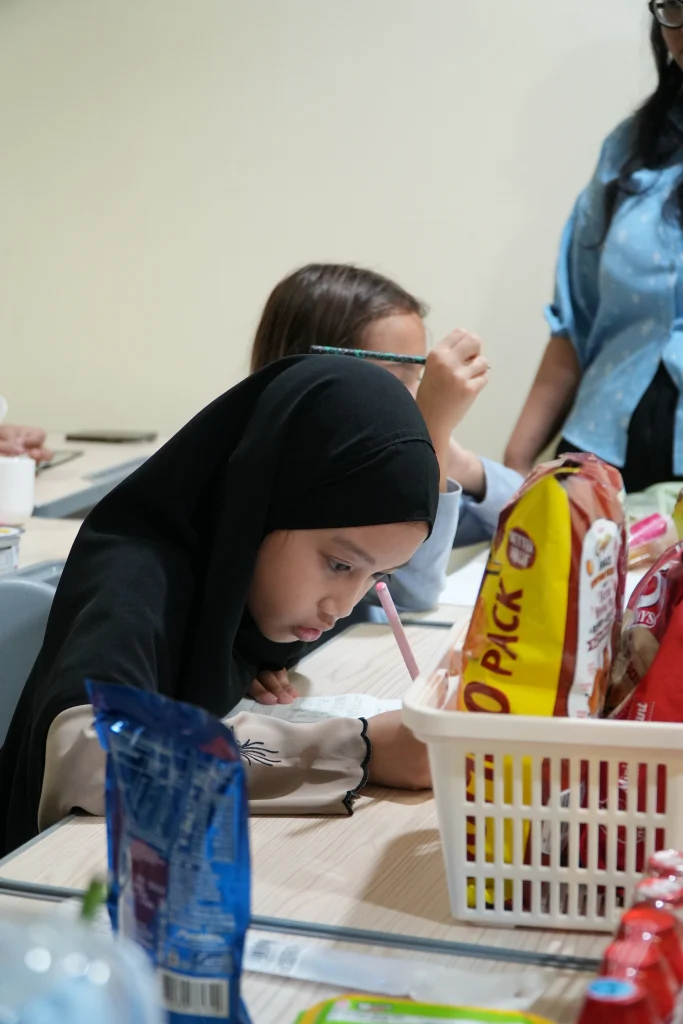
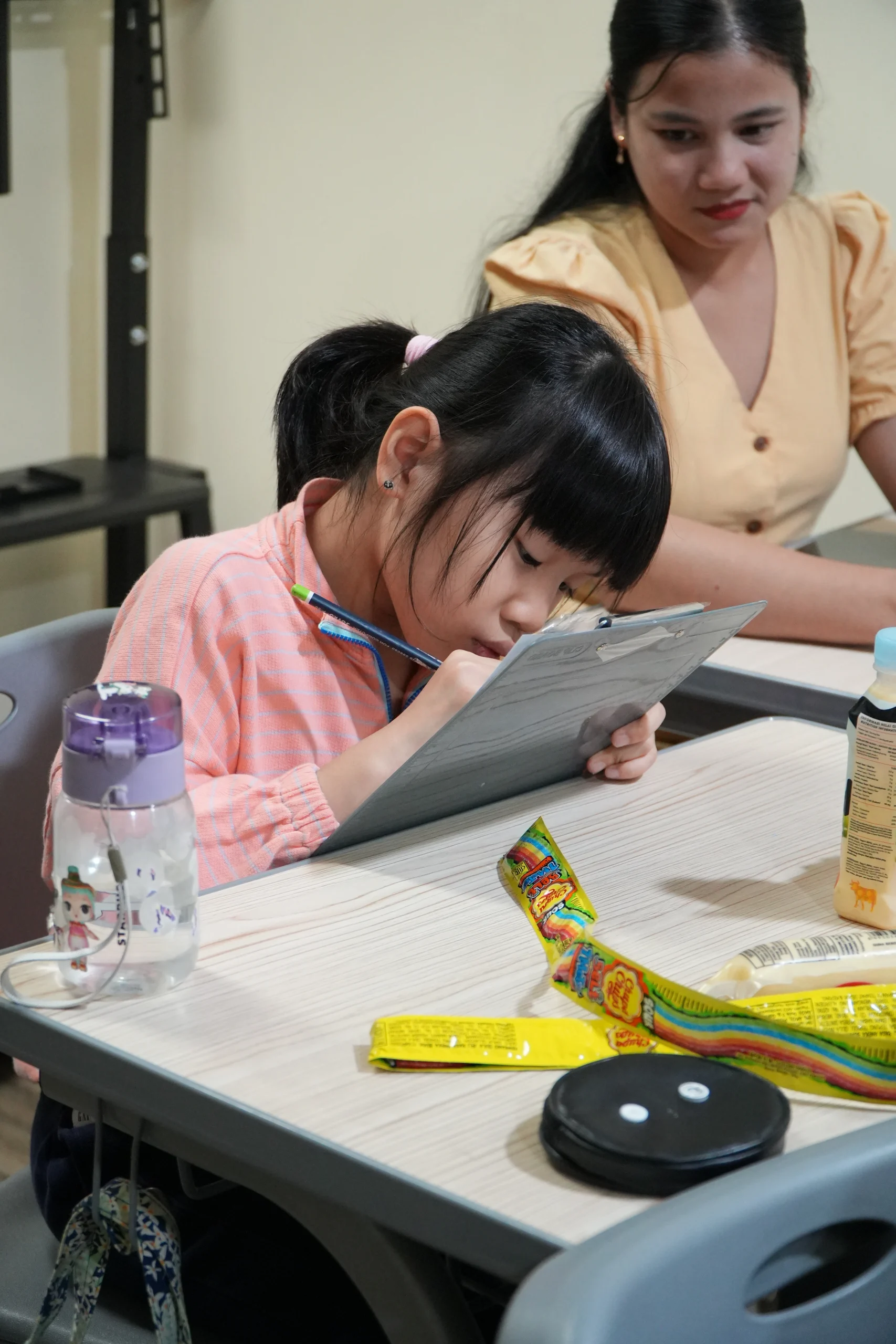
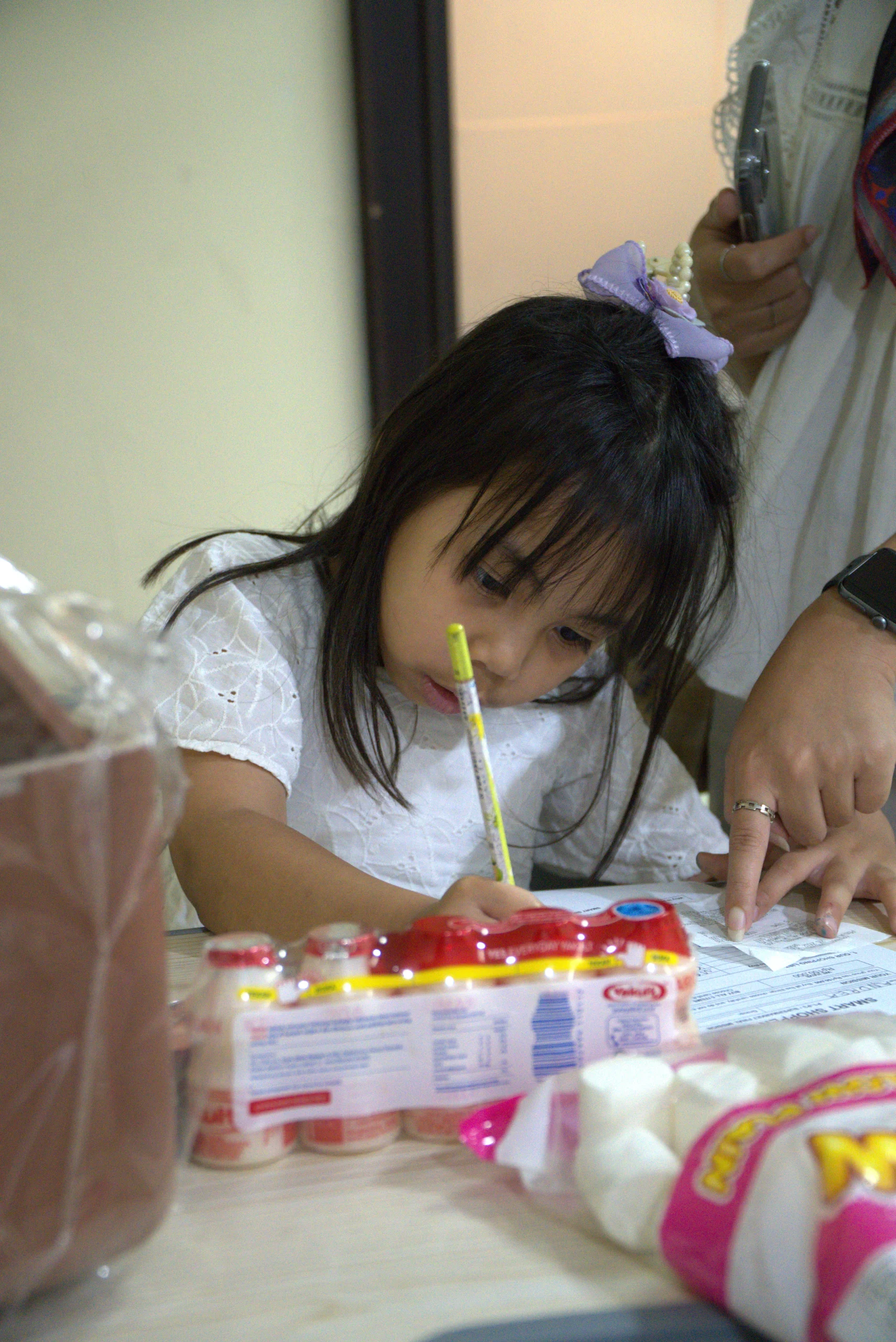
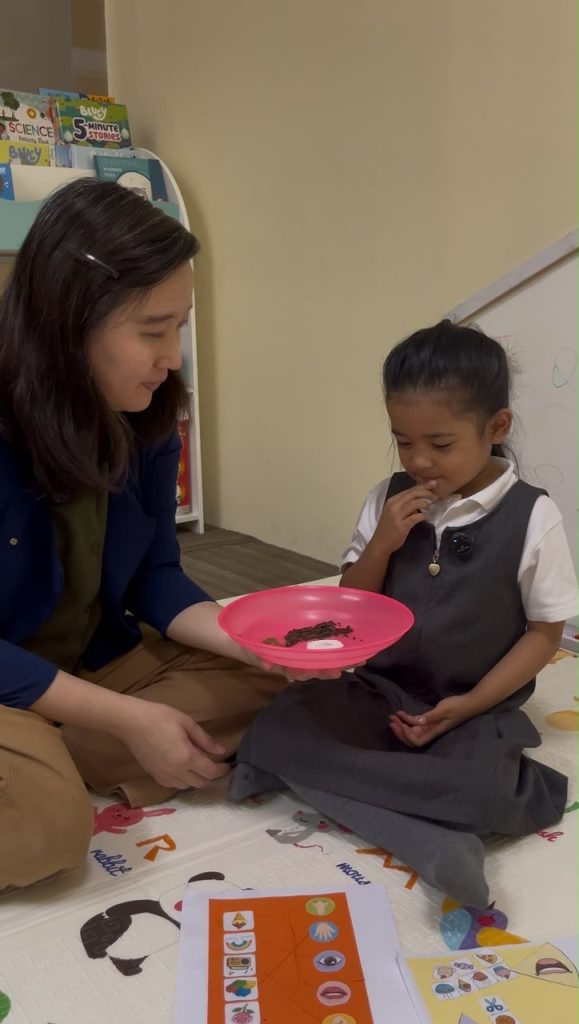
For young children, learning does not only happen when they are sitting at a desk. A child can learn about numbers while counting objects. They can learn communication through storytelling. They can learn teamwork through group activities.
They can learn problem-solving by figuring out how to complete a project. This is why experiential learning can be an important part of the Pre-Primary experience. Instead of separating learning into isolated academic subjects all the time, children can experience learning as something connected to the world around them.
A Learning Environment Designed Around the Child
One of the key principles of Jakarta Academics is personalized learning. Rather than focusing solely on a standardized pace, teachers can consider where each student is in their learning journey.
This is particularly important during the early years because children can develop at very different rates. One child may be confident with numbers but still developing communication skills.
Another may love storytelling but need more time to develop early numeracy. A personalized approach allows educators to recognize these differences and provide appropriate support.
Does Pre-Primary Mean Children Learn Alone?
Not at all.
Another important part of early education is developing relationships and learning how to interact with others. While Jakarta Academics provides a flexible learning model, children can still have opportunities to participate in activities that encourage social interaction, collaboration, and community building.
This can include learning activities, projects, events, and other experiences where students can interact with their peers and teachers. The goal is to provide flexibility without removing the social aspect of education.
Why Choose a Flexible Pre-Primary Programme?
Parents today have different circumstances and priorities. Some families may prefer a more traditional school environment. Others may be looking for an educational approach that provides greater flexibility.
A flexible learning model can be particularly useful for families who value:
Personalized learning
Children can receive learning experiences that consider their individual development.
Flexible schedules
Families may have different schedules and routines, and flexibility can make education easier to integrate into daily life.
A supportive learning environment
Young children can benefit from an environment where they feel comfortable asking questions, exploring, and making mistakes.
A balance between independence and support
Children can gradually develop independence while still receiving guidance from teachers and parents.
Preparing Children for Their Next Educational Stage
Pre-Primary is not simply about what children learn today. It is also about preparing them for what comes next. As children progress through their education, they will increasingly need to:
- Learn independently
- Communicate effectively
- Work with others
- Solve problems
- Adapt to new situations
- Take responsibility for their learning
Developing these skills early can help children approach future learning with greater confidence.
At Jakarta Academics, we believe that early education should build more than academic knowledge. It should help children develop the confidence, curiosity, and independence they need for their next stage.
Is Jakarta Academics Pre-Primary Right for Your Child?
There is no single educational model that is perfect for every family. The right choice depends on your child’s learning needs, personality, development, and your family’s circumstances.
If you are looking for a Pre-Primary programme in Jakarta that combines personalized learning with a flexible educational approach, Jakarta Academics may be worth exploring.
The best way to understand whether the programme is right for your child is to learn more about the learning environment, meet the educators, and understand how the programme can support your child’s individual development.
Start Your Child’s Learning Journey at Jakarta Academics
The early years of education can shape how children see learning for years to come. At Jakarta Academics, we want children to see learning not as something they simply have to do, but as something they can enjoy, explore, and take ownership of.
Through personalized learning, flexibility, and meaningful experiences, our Pre-Primary programme aims to give young learners a strong foundation for their next educational journey.
Interested in learning more about Pre-Primary at Jakarta Academics? Contact our team to discover the programme and find out how it can fit your child’s needs.