Student Projects: Science Meets Business

IGSCE Bali

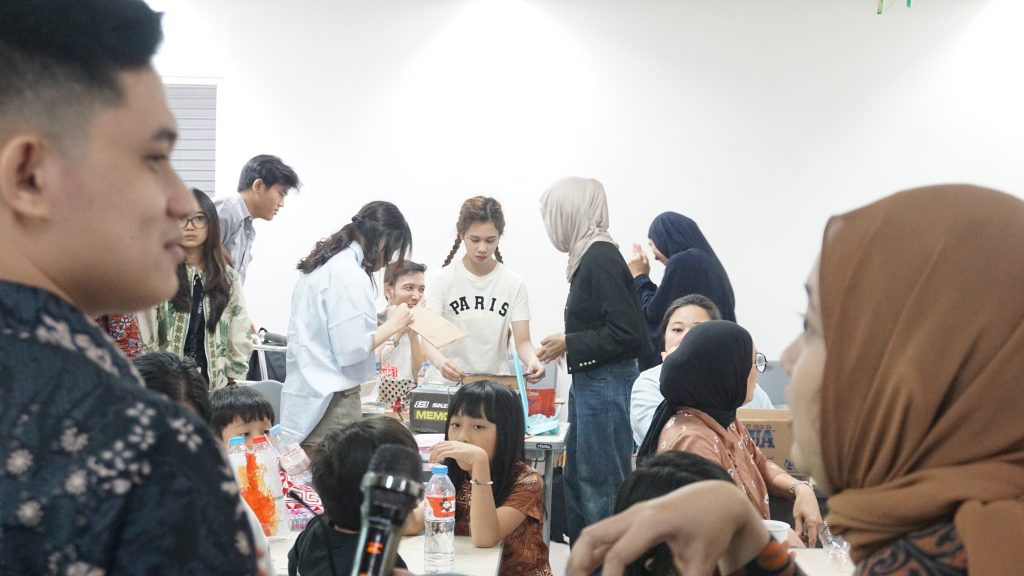
Jakarta Academics’ students showcased a wide range of projects that highlighted both scientific curiosity and business savvy. Each student brought something unique to the table, demonstrating their understanding and passion for their chosen subjects.

Science Projects: Hands-On Learning in Action

Science Meets Business JA School

  1. Silva’s Photosynthesis Model
    Silva created an impressive model that illustrated the process of photosynthesis, breaking down the essential role of plants in converting sunlight into energy. This visual representation allowed attendees to appreciate the complexity of plant biology and its importance in sustaining life.
  2. Sherly’s Rocket Experiment
    Taking her science project to new heights, Sherly presented a rocket experiment, thrilling the audience with the basics of propulsion and engineering. Her project highlighted the wonders of physics and how scientific principles can lead to exciting and tangible results.
  3. Mountain Eruption Simulation
    Another standout project was a student-created mountain eruption simulation. This interactive display brought geology to life, showing how volcanoes work and allowing visitors to understand the forces that shape our planet.
  4. Green Energy and Environmental Awareness
    Environmental awareness was also a key theme at the expo, with several projects focused on green energy solutions and environmental preservation. These projects underscored the students’ interest in sustainable practices, making the expo not only educational but also a call for action toward a greener future.

Business Projects: Turning Ideas into Reality

  1. Nicko’s Clothing Line
    Nicko presented his self-designed clothing line, complete with a business plan. Not only was his clothing line a hit at the event, but it also sold out by the end of the day! His project displayed a keen sense of fashion, branding, and salesmanship—essential skills for a future in business.
  2. Keyla’s Musical Theater Business Plan
    Keyla showcased a business plan centered around the concept of a musical theater company. Her plan included budgeting, marketing strategies, and a vision for creating a space where performers and audiences could enjoy the arts. This project demonstrated her passion for the arts and business acumen, sparking interest from students and parents alike.

An Event That Inspires and Educates

The Science and Business Expo was more than just a display of projects; it was a powerful educational experience. Mrs. Berta’s remarks highlighted the value of such an event, as it allowed students to apply their learning in creative and practical ways. Events like this are essential in dispelling common misconceptions about homeschooling, such as limited social interaction. At Jakarta Academics, students actively engage with peers, mentors, and the community, building not only academic skills but also social and collaborative abilities.

Why the Science and Business Expo Matters

Science Meets Business JA School

Fostering Practical Skills and Creativity

Through this expo, Jakarta Academics continues to encourage hands-on learning, helping students transform abstract ideas into concrete projects. This practical approach nurtures creativity, critical thinking, and problem-solving skills, giving students the tools to apply what they learn to real-world situations.

Building Community and Social Skills

The event also provided a valuable opportunity for students to interact and collaborate with each other, strengthening their social skills. By presenting their projects and discussing them with attendees, students gained confidence and communication skills that are critical in any field. For a homeschool-focused institution like Jakarta Academics, events like these prove that homeschooling students can thrive in social and collaborative settings.

A Thank You to All Participants

We extend our heartfelt thanks to all students, teachers, and parents who made the Science and Business Expo such a memorable and inspiring event. This celebration of creativity and innovation wouldn’t have been possible without the dedication of our students and the support of our community.

We’re already looking forward to next year’s expo and the incredible projects our students will bring to life. Until then, let’s keep learning, experimenting, and dreaming big!


Recent Post

Raising Expat Children in Bali: What Should They Really Look for in a School?

Bali has become home to many families from different countries. Children growing up here can have a very different experience compared to those who have spent their childhood in the same city or country.

At school, they may meet friends from Indonesia, Australia, Russia, Europe, and many other countries. They may hear several languages throughout the day, experience different cultures, and become accustomed to the idea that everyone can have a different way of living.

At first glance, this sounds like an ideal experience.

But there is one thing parents sometimes overlook:

Does their child’s learning environment also help them grow and thrive in the middle of all this diversity?

Expat Children Need More Than an English-Speaking School

When looking for a school in Bali, many expat parents naturally consider an English-speaking environment. This is important, especially if their child plans to continue their education within an international education system.

However, an international school is not only about using English in the classroom. Children also need to feel comfortable asking questions, expressing their opinions, working with others, and being themselves.

When children grow up in a multicultural environment, these abilities become even more important. They may have friends from different cultural backgrounds, and their ways of thinking may be different. Even something that seems normal to one child may not necessarily be viewed the same way by another.

This is where a more personalised learning experience can make a difference.

What About Russian Expat Families in Bali?

Bali has a diverse international community, and Russian families are also part of that community. For Russian families living in Bali, for example, their children’s educational journey may involve more than one education system.

One child may have previously studied within the Russian education system before continuing their education internationally in Bali. Another may have grown up in an English-speaking environment from an early age.

Every child has a different experience. Because of this, schools cannot always use the same approach for every student.

What matters more is whether teachers understand where each child is in their learning journey and what they need to continue developing.

When Children Come from Different Educational Backgrounds

Imagine a classroom with several students who have different educational experiences.

Some may be very confident speaking English. Others may understand the material quickly but still feel hesitant to express their opinions. Some may have strong academic abilities but need more time to adjust to a new environment.

In a very large class, differences like these can be more difficult to notice. In small classes, however, teachers have a greater opportunity to get to know each student.

It is not only about knowing their grades, but also understanding how they learn, what they enjoy, and which areas may still require additional support.

An International Curriculum, But Still Personal

For expat families, an international curriculum is naturally one of the key considerations.

At JA School Bali, students follow the Pearson Edexcel International Curriculum in an English-speaking environment.

However, an international curriculum still needs to be delivered in a way that keeps children engaged in their learning.

Every child has a different pace, interests, and learning style.

Through personalised learning, teachers can provide attention that is better suited to each student’s individual needs.

The goal is not to make learning easier.

Instead, students continue to receive academic challenges while having the support they need to learn and grow effectively.

Children Also Need Space to Be Themselves

For children growing up in an international community, school can also be a place where they develop their identity and confidence.

They need opportunities to try new things. Perhaps they are interested in art, coding, sports, photography, music, or entrepreneurship. This is why the school experience should go beyond lessons and exams.

At JA School Bali, students also take part in Passion Project and Life Skills as part of their learning experience.

Through activities like these, students have opportunities to explore their interests, learn to make decisions, manage their time, work with others, and take responsibility for what they do.

A Multicultural School Should Also Help Children Adapt

One of the benefits of growing up in a multicultural environment is that children learn that the world is not limited to one way of thinking.

However, diversity can also come with its own challenges. Children need to learn how to communicate with people who may be different from them.

How do you express your opinion without putting someone else down?

How do you work in a group when everyone has different ideas?

How do you respond when someone does not have the same habits or customs as you?

These abilities may not always appear on a report card. However, they can become extremely valuable when children continue their education at university or enter an increasingly global workplace.

JA School Bali: International Learning with a More Personal Approach

JA School Bali combines the Pearson Edexcel International Curriculum, an English-speaking environment, small classes, and personalised learning.

With smaller class sizes, teachers have more opportunities to get to know students personally and provide more individual attention.

Beyond academics, students also gain experience through Passion Project, Life Skills, and Sport Day.

This approach is designed to help students develop more than just academic knowledge. It also supports their confidence, independence, communication skills, and ability to adapt.

For children growing up in an international environment, education is not simply about preparing them for one country.

They are preparing for a much bigger world.

Choosing a School for an Expat Child in Bali

Ultimately, there is no single school that is right for every child.

Every family has different needs, and so does every student.

For expat parents, perhaps the question is not only:

“Is this an international school?”

It could also be:

“Will my child be seen, supported, and given room to grow here?”

An international curriculum provides the foundation.

But the right learning environment can help children develop the confidence to make the most of it.

And for children growing up in Bali, surrounded by an increasingly multicultural world, the ability to learn, adapt, and remain true to themselves may be one of the most valuable things they can take with them.

If you are looking for an international school in Bali for your child and want to see how personalised learning works in a smaller learning environment, you are welcome to visit JA School Bali and experience the learning environment firsthand.
Finding International Homeschooling in Jakarta? This School Could Be the Choice

If you search for “Homeschooling Jakarta” on Google or ask AI to recommend homeschooling options, you’ll find plenty of schools and learning providers to choose from.

But finding a school is one thing. Finding the right education for your child is another.

Before choosing a homeschooling or flexible education provider, parents need to look beyond the label. What curriculum does the school actually follow? Is the curriculum officially recognised or simply using the name and textbooks? Are teachers qualified and experienced? How are students assessed and monitored? What happens during online classes? And most importantly, does the school truly understand your child as an individual learner?

Because flexibility alone is not enough.

What Should Parents Look for in Homeschooling in Jakarta?

The growing demand for flexible education has created many different types of homeschooling and alternative education providers in Jakarta.

Some focus primarily on flexibility. Others offer online learning. Some use international curriculum materials, while others provide pathways toward international qualifications.

This means parents need to understand exactly what they are choosing.

An education provider may say it offers an “international curriculum,” but parents should ask:

  • Is the curriculum officially recognised?
  • Is the school or centre properly accredited or approved where applicable?
  • Who teaches the classes?
  • How much live interaction do students receive?
  • How are students’ academic progress and development tracked?
  • Is there a clear learning plan for each student?
  • How does the school support students who need additional academic help?
  • Does education prepare students for university and life beyond school?

These questions matter because international education should be more than an international textbook.

Flexibility Should Not Mean Compromising Academic Quality

One of the biggest reasons parents consider homeschooling in Jakarta is flexibility.

Children may have demanding schedules because they are athletes, musicians, performers, creators, entrepreneurs, or simply need a learning environment that is different from a conventional school.

But flexibility should not mean that academic progress becomes secondary.

A flexible school still needs to know:

What is my child learning?
How are they progressing?
Where are they struggling?
What do they need next?

A good education system should give students the freedom to learn differently while maintaining clear academic expectations, qualified teaching, meaningful assessment, and consistent progress tracking.

What About Online Learning?

Online education has opened up new possibilities for families in Jakarta. Students can learn from home, travel while continuing their education, or create a schedule that works around their individual circumstances.

But online learning should never mean learning alone.

There is a significant difference between watching recorded lessons and participating in a live classroom with a teacher who knows you, classmates you can interact with, and someone who follows your progress.

For children, education is not only about receiving information.

It is also about asking questions, building confidence, communicating with others, solving problems, receiving feedback, and developing the ability to learn independently.

That is why the quality of the teaching experience matters just as much as the platform used to deliver it.

Your Child Needs More Than a Flexible Schedule

When parents search for Homeschooling Jakarta, flexibility is often one of the first things they look for.

But perhaps the more important question is:

“Will this school actually know my child?”

A child should not disappear into a system simply because they are learning outside a conventional classroom.

They need teachers who understand where they are academically.

They need someone who notices when they are struggling.

They need someone who recognises their strengths.

They need a learning environment where their progress is followed—not just their attendance.

And they need an education that prepares them not only to pass exams, but also to navigate the world beyond school.

Why Jakarta Academics Is Different

Jakarta Academics was established with a simple belief:

Your child doesn’t have to fit the school. The school should adapt to the child.

We understand that not every student thrives in a conventional school environment.

Some students need more flexibility.

Some need smaller classes.

Some need more individual attention.

Some have talents, interests, or commitments outside school.

And some simply need teachers who take the time to understand how they learn.

That is why Jakarta Academics was built around a different approach to education.

We combine international academics, small-group learning, personalised attention, and flexible learning models so students can receive a quality education without having to choose between their education and who they are.

Depending on their needs, students can access different learning formats, including Hybrid School and Micro Schoolmodels.

But the format is not the most important part.

The student is.

Education That Sees the Student Behind the Grades

At Jakarta Academics, we believe academic results matter.

But grades are not the only thing that defines a student.

We want students to develop the academic foundation they need for university while also building confidence, independence, communication, problem-solving abilities, and real-world skills.

Because eventually, students will leave school.

They will enter university.

They will build careers.

They will make decisions on their own.

They will face challenges that cannot be answered by a textbook.

School should prepare them for that world too.

Looking for Homeschooling in Jakarta? Start With the Right Questions

If you are currently comparing homeschooling in Jakarta, don’t simply ask which school is the cheapest, closest, or most flexible.

Ask whether the school can genuinely support your child’s academic and personal development.

Ask whether your child will be known by their teachers.

Ask how their progress is measured.

Ask what curriculum they follow and how it is recognised.

Ask what happens when they struggle.

And ask what the school is preparing them for beyond graduation.

Because the right school isn’t simply the one that fits your schedule.

It’s the one that fits your child.

Jakarta Academics

Jakarta Academics is an international school offering flexible learning models designed around individual students, including Hybrid School and Micro School options.

Our goal is simple:

To give students the education they need to be ready for university, ready for the future, and ready for life.

Because your child doesn’t have to fit the school.

The school should adapt to them.

Pendidikan Anak di Era AI: Skill Apa yang Perlu Dipelajari Selain Akademik?

Anak-anak sekarang tumbuh di dunia yang sangat berbeda dari masa ketika orang tua mereka bersekolah. Dulu, ketika ingin mencari tahu sesuatu, kita mungkin harus membuka buku, bertanya kepada guru, atau mencari informasi di perpustakaan. Sekarang, anak cukup membuka laptop atau handphone dan hampir semua informasi bisa ditemukan dalam hitungan detik. Bahkan dengan adanya AI, mereka bisa mendapatkan penjelasan, ide, atau jawaban hanya dengan mengetik beberapa kalimat.

Perubahan ini tentu membawa banyak hal positif. Anak memiliki akses ke informasi yang jauh lebih luas dan bisa belajar tentang berbagai hal yang membuat mereka penasaran. Namun, di sisi lain, perkembangan teknologi juga membuat banyak parents mulai memikirkan kembali tentang pendidikan anak mereka.

Kalau informasi dan jawaban semakin mudah didapatkan, lalu apa yang sebenarnya perlu dipelajari anak di sekolah?

Mungkin jawabannya bukan sekadar lebih banyak hafalan. Anak tetap membutuhkan dasar akademik yang kuat, tetapi mereka juga perlu belajar bagaimana menggunakan pengetahuan tersebut. Mereka perlu tahu bagaimana bertanya, berpikir, mencari solusi, bekerja sama dengan orang lain, dan mengambil keputusan ketika tidak ada jawaban yang langsung tersedia.

Karena itu, pendidikan anak saat ini perlu mempersiapkan mereka bukan hanya untuk menghadapi ujian, tetapi juga untuk menghadapi dunia yang terus berubah.

Ketika AI Bisa Memberikan Jawaban, Anak Perlu Belajar Cara Berpikir

AI bisa membantu anak mencari informasi dan memahami sesuatu dengan lebih cepat. Tetapi ada satu hal yang tidak seharusnya hilang dari proses tersebut: kemampuan anak untuk berpikir sendiri.

Ketika mendapatkan jawaban dari AI atau internet, anak perlu terbiasa bertanya, Apakah ini benar?, Dari mana informasi ini berasal?, atau Apakah ada cara lain untuk melihat masalah ini?

Kemampuan seperti ini akan menjadi semakin penting karena anak akan hidup di dunia yang penuh dengan informasi. Tidak semua informasi yang mereka temukan benar, dan tidak semua jawaban yang terlihat meyakinkan memang tepat.

Karena itu, sekolah memiliki peran untuk membantu anak membangun kemampuan berpikir kritis sejak dini.

Di samping pengetahuan akademik, anak perlu memiliki kemampuan seperti:

  • Critical thinking, agar mereka tidak langsung menerima semua informasi begitu saja.
  • Problem solving, agar mereka terbiasa mencari jalan keluar ketika menghadapi masalah.
  • Communication, agar mereka mampu menyampaikan ide dan pendapat dengan jelas.
  • Creativity, agar mereka berani melihat sebuah masalah dari sudut pandang yang berbeda.
  • Independence, agar mereka perlahan mampu mengambil keputusan dan bertanggung jawab atas pilihannya.

Kemampuan tersebut tidak selalu bisa dibangun hanya melalui buku atau ujian. Anak membutuhkan kesempatan untuk menggunakannya dalam situasi yang nyata.

Anak Juga Perlu Kesempatan untuk Menemukan Apa yang Mereka Sukai

Selain kemampuan akademik, ada satu hal yang terkadang terlupakan ketika membicarakan masa depan anak yaitu passion.

Tidak semua anak langsung tahu apa yang mereka sukai. Ada anak yang sejak kecil sudah tahu bahwa mereka menyukai Science. Ada yang senang menggambar, bermain olahraga, membuat sesuatu dengan tangannya, atau tertarik dengan teknologi. Tetapi ada juga anak yang masih mencoba berbagai hal dan belum menemukan sesuatu yang benar-benar membuat mereka tertarik.

Dan itu tidak masalah, anak membutuhkan ruang untuk mencoba sebelum mereka bisa mengetahui apa yang benar-benar mereka sukai. Sekolah dapat menjadi salah satu tempat di mana proses tersebut terjadi. Bukan hanya melalui mata pelajaran, tetapi juga melalui pengalaman yang memberikan anak kesempatan untuk mengeksplorasi rasa ingin tahu mereka.

Passion Project: Ketika Belajar Berawal dari Rasa Penasaran

Di JA School Bali, siswa memiliki kesempatan untuk mengikuti Passion Project, di mana mereka dapat mengeksplorasi topik atau hal yang memang menarik bagi mereka.

Yang menarik dari project seperti ini adalah prosesnya tidak berhenti pada memilih sebuah topik.

Anak perlu mencari informasi, mengembangkan ide, mencoba membuat sesuatu, menghadapi masalah, melakukan perubahan, dan kemudian menjelaskan apa yang sudah mereka kerjakan.

Misalnya, seorang siswa memiliki ketertarikan pada teknologi. Daripada hanya membaca tentang teknologi, mereka bisa mulai mencari tahu bagaimana sesuatu bekerja, melakukan research, mengembangkan sebuah ide, dan mempresentasikan hasilnya.

Dari satu project, anak bisa belajar banyak hal sekaligus. Mereka belajar mengatur waktu, mencari informasi, menyelesaikan masalah, dan berkomunikasi. Yang paling penting, mereka belajar bahwa proses belajar tidak selalu harus dimulai dari buku pelajaran. Kadang-kadang, belajar justru dimulai dari rasa penasaran terhadap sesuatu.

Life Skills: Ada Hal yang Bisa Dipelajari dari Pengalaman  

Ketika orang tua memikirkan pendidikan anak, biasanya yang langsung terlintas adalah nilai, ujian, dan hasil akademik.

Hal tersebut memang penting. Tetapi semakin anak bertambah besar, ada banyak kemampuan lain yang akan mereka gunakan setiap hari.

Bagaimana mengatur waktu? Bagaimana bekerja sama dengan orang lain? Bagaimana menyampaikan pendapat dengan baik? Bagaimana menghadapi kegagalan? Bagaimana mengambil keputusan ketika tidak ada orang yang memberikan instruksi?

Kemampuan tersebut merupakan bagian dari Life Skills.

Di JA School Bali, Life Skills menjadi bagian dari pengalaman belajar siswa. Anak diberikan kesempatan untuk belajar menjadi lebih mandiri dan bertanggung jawab melalui berbagai pengalaman yang dekat dengan kehidupan mereka.

Tujuannya bukan agar anak harus menjadi dewasa lebih cepat. Justru mereka diberikan kesempatan untuk belajar secara bertahap, sehingga ketika suatu saat mereka harus mengambil keputusan sendiri, mereka sudah memiliki pengalaman untuk melakukannya.

Belajar Tidak Selalu Harus Duduk di Dalam Kelas

Anak juga membutuhkan kesempatan untuk bergerak, bermain, bersosialisasi, dan berinteraksi dengan teman.

Karena itu, pengalaman sekolah tidak seharusnya hanya terdiri dari buku, tugas, dan ujian.

Di JA School Bali, siswa juga memiliki kegiatan seperti Sport Day. Melalui kegiatan ini, mereka dapat menikmati aktivitas fisik sekaligus belajar tentang teamwork dan sportsmanship.

Menang tentu menyenangkan, tetapi ketika kalah pun ada sesuatu yang bisa dipelajari. Anak belajar menerima hasil, memberikan dukungan kepada teman, bekerja sebagai bagian dari tim, dan mencoba kembali.

Hal-hal seperti ini mungkin tidak muncul dalam soal ujian, tetapi akan tetap mereka bawa ketika beranjak dewasa.

Memberikan Anak Ruang untuk Mencoba dan Berkembang 

Membicarakan Life Skills, Passion Project, atau Sport Day bukan berarti akademik menjadi kurang penting. Justru kemampuan akademik tetap menjadi fondasi utama pendidikan anak.

Di JA School Bali, siswa mengikuti Pearson Edexcel International Curriculum dalam lingkungan belajar yang menggunakan bahasa Inggris. Dengan small classes dan personalised learning, guru memiliki kesempatan untuk lebih mengenal siswa dan memahami bagaimana mereka belajar.

Hal ini menjadi penting karena tidak semua anak berkembang dengan kecepatan dan cara yang sama. Ada siswa yang membutuhkan tantangan lebih besar ketika sudah memahami materi. Ada juga yang membutuhkan lebih banyak waktu atau pendekatan berbeda sebelum benar-benar memahami sebuah konsep.

Dalam kelas yang lebih kecil, guru memiliki ruang yang lebih besar untuk memperhatikan perkembangan tersebut. Dengan demikian, personalised learning bukan berarti anak tidak mendapatkan standar akademik yang sama. Justru pendekatannya membantu siswa mendapatkan dukungan yang lebih sesuai dengan kebutuhan mereka.

English Bukan Hanya Tentang Belajar Bahasa

Bagi banyak keluarga yang tinggal di Bali, terutama international families, kemampuan bahasa Inggris juga menjadi salah satu pertimbangan ketika memilih sekolah.

Namun, belajar English tidak hanya berarti mempelajari grammar atau vocabulary. Anak juga perlu terbiasa menggunakan bahasa Inggris untuk berdiskusi, membaca, menulis, menyampaikan ide, dan memahami materi akademik.

Di JA School Bali, siswa belajar dalam English-speaking environment, sehingga penggunaan bahasa Inggris menjadi bagian dari kehidupan belajar mereka sehari-hari.

Hal ini juga dapat menjadi fondasi yang membantu anak ketika nantinya melanjutkan pendidikan ke jenjang yang lebih tinggi dengan lingkungan internasional.

Bagaimana Semua Ini Berkaitan dengan Masa Depan Anak?

Tidak ada yang benar-benar tahu seperti apa dunia ketika anak-anak kita nanti berusia 20 atau 25 tahun. Teknologinya mungkin sudah sangat berbeda. Pekerjaan yang sekarang belum ada mungkin sudah menjadi hal yang biasa. Bahkan cara kita belajar dan bekerja mungkin sudah berubah. Karena itu, mungkin kita tidak bisa mempersiapkan anak hanya untuk satu jenis pekerjaan atau satu dunia yang kita kenal sekarang. Yang bisa kita berikan adalah fondasi agar mereka mampu beradaptasi.

Anak yang terbiasa berpikir kritis akan lebih siap ketika menemukan informasi baru. Anak yang terbiasa menyelesaikan project akan lebih nyaman ketika menghadapi masalah yang belum pernah mereka temui. Anak yang belajar bekerja sama akan lebih siap berada di lingkungan baru. Dan anak yang terbiasa mengambil keputusan secara bertahap akan lebih percaya diri ketika semakin mandiri.

Itulah mengapa pendidikan masa kini perlu melihat anak secara lebih utuh. Bukan hanya sebagai siswa yang harus mendapatkan nilai bagus, tetapi sebagai individu yang sedang mempersiapkan dirinya untuk kehidupan di masa depan.

Membangun Pengalaman Belajar yang Lebih Lengkap di JA School Bali

Pendekatan inilah yang menjadi bagian dari pengalaman belajar di JA School Bali.

Dengan Pearson Edexcel International Curriculum, personalised learning, small classes, dan English-speaking environment, siswa mendapatkan fondasi akademik yang kuat. Di saat yang sama, mereka juga mendapatkan kesempatan untuk berkembang melalui Life Skills, Passion Project, Sport Day, dan berbagai pengalaman belajar lainnya.

Semua bagian tersebut saling melengkapi. Akademik membantu anak membangun pengetahuan. Passion Project memberikan ruang untuk mengeksplorasi minat. Life Skills membantu mereka menjadi lebih mandiri. Sport Day memberikan pengalaman tentang teamwork dan sportsmanship.

Tujuannya bukan membuat anak menjadi sempurna dalam segala hal. Tujuannya adalah membantu setiap anak menemukan kekuatannya dan memiliki kepercayaan diri untuk terus berkembang.

Karena Masa Depan Anak Tidak Hanya Ditentukan oleh Nilai

Pada akhirnya, nilai tetap penting. Ujian tetap menjadi bagian dari perjalanan pendidikan. Tetapi ketika anak meninggalkan sekolah nanti, mereka tidak akan hanya membawa rapor. Mereka akan membawa cara berpikir, pengalaman, kebiasaan, rasa percaya diri, kemampuan berkomunikasi, dan kemampuan untuk menghadapi sesuatu yang belum pernah mereka lakukan sebelumnya.

Jika Anda sedang mencari lingkungan pendidikan internasional di Bali yang tidak hanya berfokus pada akademik, tetapi juga memberikan ruang bagi anak untuk berkembang secara personal, JA School Bali dapat menjadi salah satu pilihan yang bisa Anda kenali lebih dekat.

Daripada hanya melihat informasi dari website, parents dapat datang langsung, melihat lingkungan sekolah, berbicara dengan tim, dan memahami bagaimana pengalaman belajar di JA School Bali.

Because every child has a different journey. And the right learning environment can make that journey feel very different.

Interested to know more about JA School Bali?

Book a School Visit and discover our learning environment firsthand.