The world today’s children will grow up in may look very different from the one we know today. Technology is advancing rapidly, artificial intelligence (AI) is becoming part of everyday life, and the way people find information, work, and solve problems continues to evolve.
Amid these changes, many parents are beginning to look at education from a different perspective. It is no longer just about academic grades or how quickly a child can understand a lesson, but also whether they are developing the ability to think independently, adapt, and navigate unfamiliar situations.
The question is, are the ways children learn at school today enough to prepare them for a world that is constantly changing?
Contents
- When children can find answers anywhere, what do they really need to learn?
- Learning should go beyond the classroom
- Not every child learns in the same way
- Choosing an international school in Bali: What should parents consider?
- Why is the UK curriculum a choice for many families?
- A good education is not only about what children achieve, but how they grow
- Finding the right learning environment for your child
When children can find answers anywhere, what do they really need to learn?
Children today have access to an enormous amount of information. They can look up answers, watch tutorials, learn a new language, or explore topics that once seemed difficult, all through the internet.
However, having access to information does not necessarily mean understanding it.
Children still need to learn how to ask meaningful questions, distinguish between reliable and unreliable information, understand the reasoning behind an answer, and develop their own ideas. These skills require more than reading or memorising. They develop through discussion, experimentation, making mistakes, and finding ways to solve problems.
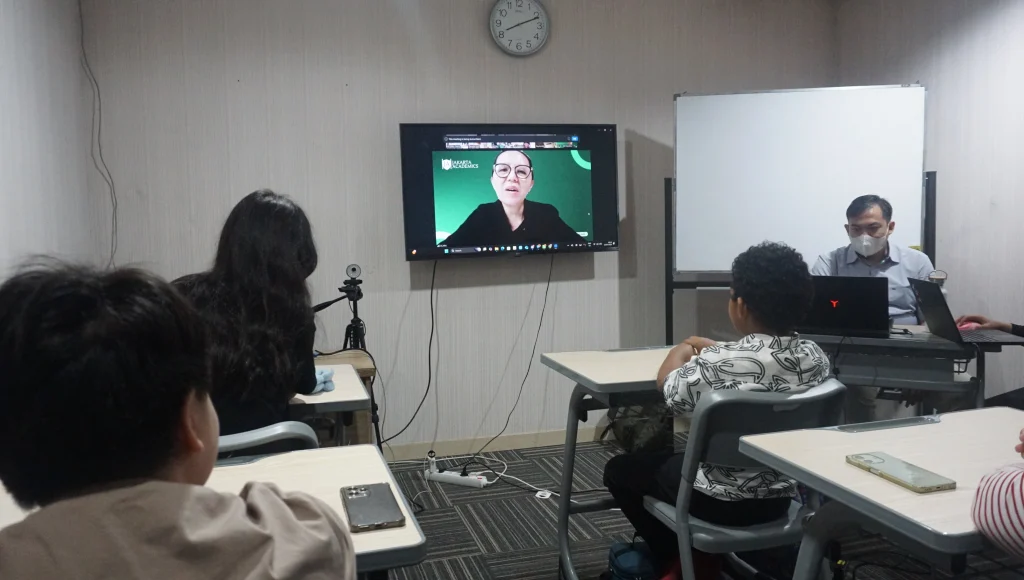
This is why learning experiences that encourage curiosity are becoming increasingly important. Rather than simply receiving information from teachers, children should be actively involved in the learning process, understand what they are learning, and feel confident exploring new ideas.
This is one of the aspects of education that JA School Bali values, where learning is not only about academic achievement, but also about how students build understanding and grow through the process.
Learning should go beyond the classroom
Children may understand a concept through a textbook or a teacher’s explanation. However, when they have the opportunity to apply it in real situations, the experience can give them a much deeper understanding.
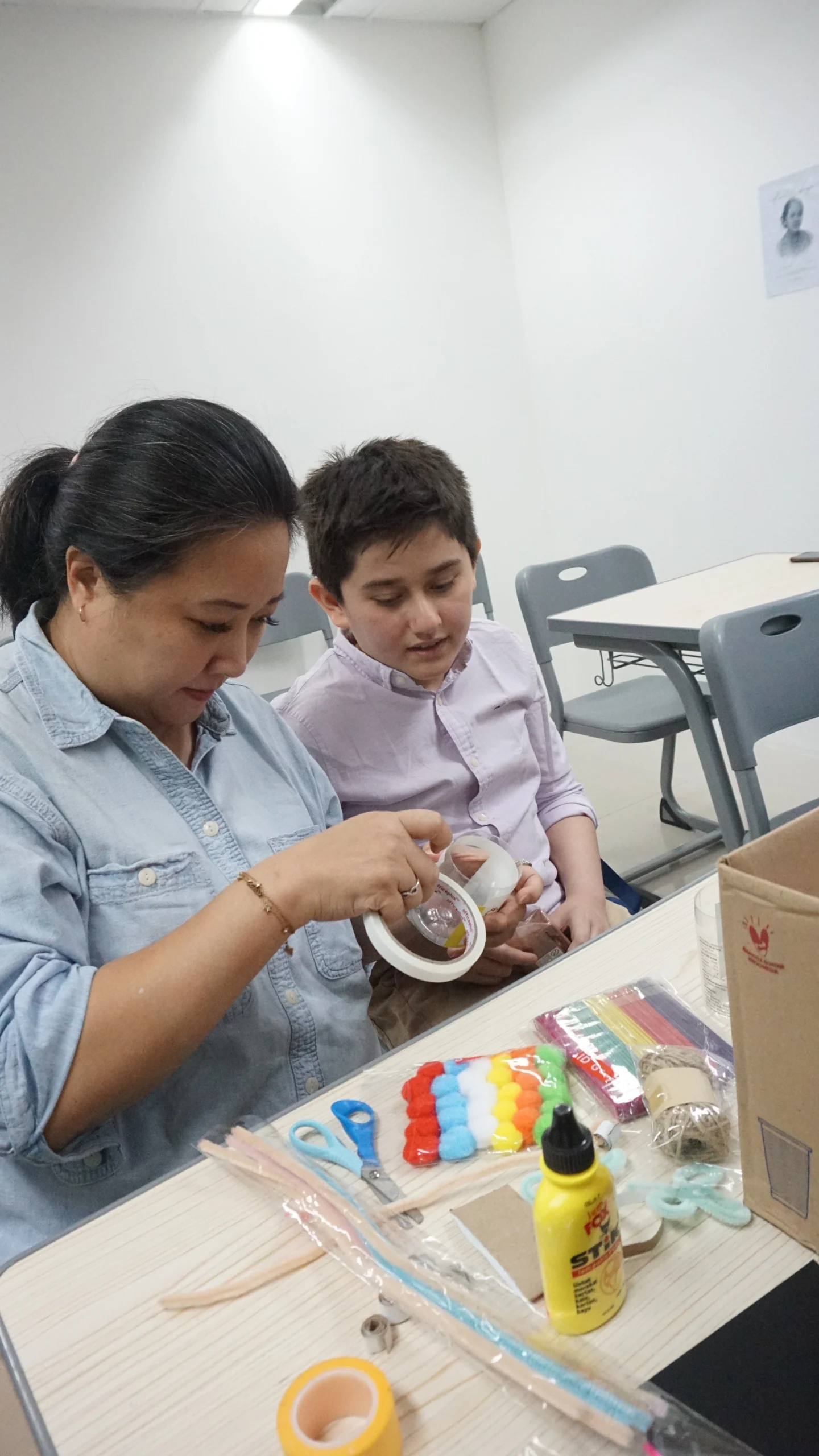
For example, when exploring a topic, students may take part in discussions, work on projects, share their opinions, or find solutions to a particular challenge. They begin to connect theory with everyday life while learning that not every problem has a single answer.
Through these experiences, children can develop critical thinking, creativity, communication, and problem-solving skills. They learn to work with others, express their ideas more confidently, listen to different perspectives, and recognise that making mistakes is part of learning.
For parents looking for an international school in Bali, this can be an important aspect to consider. Beyond the curriculum itself, it is worth looking at how learning takes place and whether children have meaningful opportunities to participate.
Not every child learns in the same way
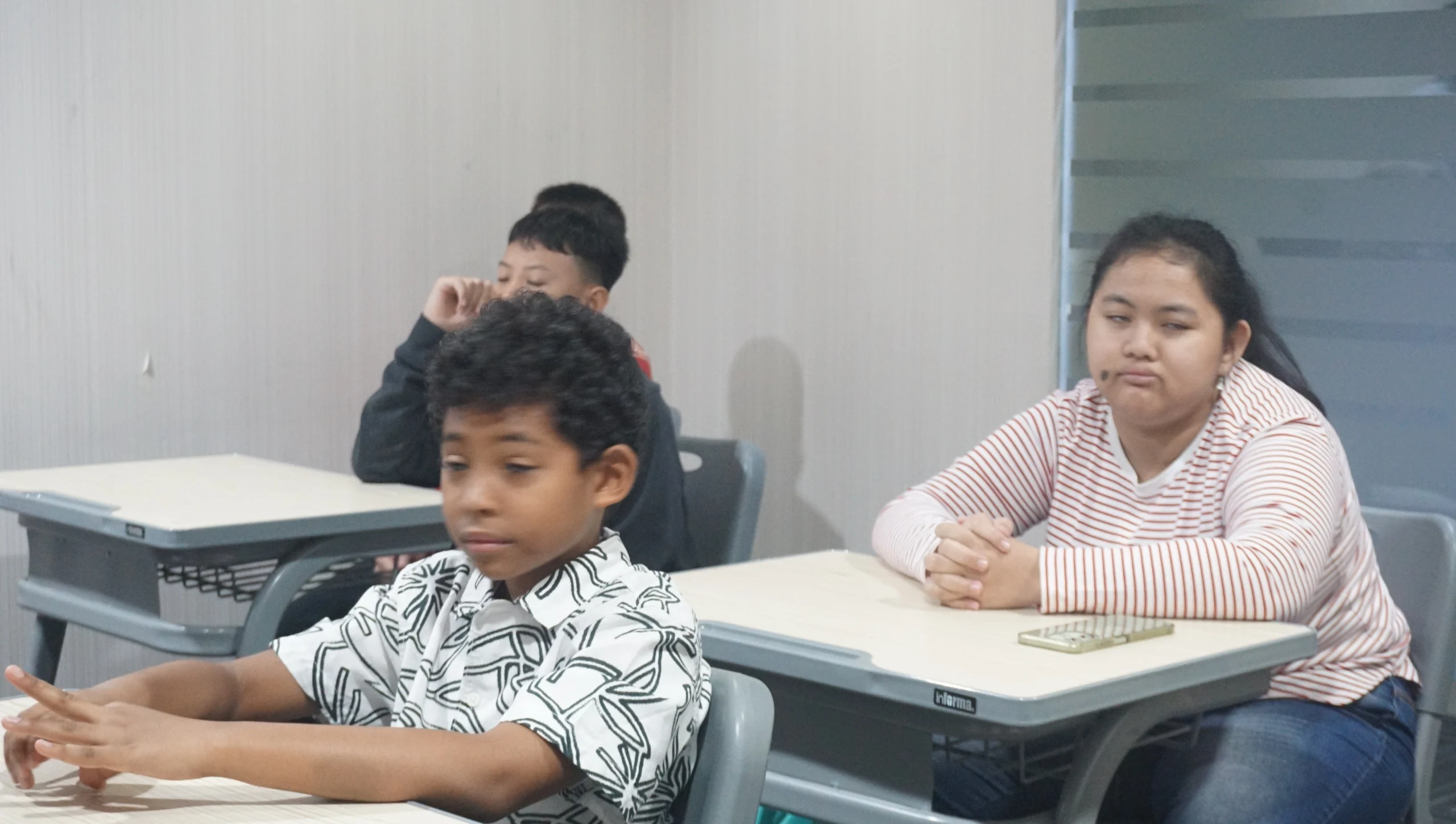
Some children enjoy asking questions and joining discussions. Others understand lessons more easily through visual examples or demonstrations. Some need the opportunity to try things themselves before a concept truly makes sense.
These differences often become more noticeable in the classroom. Some students may follow a lesson straight away, while others need more time. Some are confident sharing their opinions, while others have plenty of ideas but are still learning how to express them.
This does not mean one child is more capable than another. Every child has their own personality, interests, and pace of development.
A supportive school environment can help children feel more comfortable learning, asking questions, and trying new things without constantly worrying about making mistakes. When they feel heard and valued, their confidence and motivation to learn can grow naturally.
For expat families living in Bali, this is also an important consideration. Children moving to a new country or environment may need time to adjust to a different language, culture, friendships, and daily routine. School is not only where they learn academically, but also where they build relationships and a sense of belonging.
Choosing an international school in Bali: What should parents consider?
Bali is home to families with diverse backgrounds, cultures, and lifestyles. Some families are local and looking for an international approach to education, while others are expats settling in for the long term or relocating for work and lifestyle reasons.
When choosing a school, the curriculum is naturally one of the main considerations. However, parents should also look at how that curriculum is delivered in everyday learning.
How do teachers interact with students? Are children encouraged to ask questions and share their ideas? Do classroom activities help them understand concepts rather than simply complete assignments? How does the school support students when they struggle?
Questions like these can offer a much clearer picture of a child’s learning experience than looking at facilities or a list of programmes alone.
At JA School Bali, students follow the UK curriculum through Pearson Edexcel, with Primary and Secondary programmes. This curriculum provides a structured learning pathway, while the school experience itself plays an important role in helping students build knowledge, develop skills, and discover their interests.
For parents comparing international schools in Bali, getting to know a school’s programmes in person can help them understand whether its approach and environment are suited to their child’s needs.
Why is the UK curriculum a choice for many families?
One of the reasons the UK curriculum appeals to some families is its clear learning structure. Students study a range of subjects through progressive stages, building their academic understanding and developing their abilities as they move through each level.
Through Pearson Edexcel, students follow a curriculum with established academic standards and a structured approach to learning. However, a child’s educational experience is not determined by the curriculum alone. How teachers deliver lessons, the classroom atmosphere, student engagement, and the support they receive throughout the learning process are equally important.
Combining a structured curriculum with meaningful learning experiences can help children build a strong foundation, both academically and in the way they understand the world around them.
For families who have previously lived in another country or may relocate in the future, an international curriculum can also be an important consideration in maintaining continuity in their child’s education.
A good education is not only about what children achieve, but how they grow
Every parent wants their child to grow and have a promising future. However, a child’s progress is not always reflected in grades or achievements that can be measured immediately.
Sometimes, progress can be seen in the simplest things. A child who was once afraid to ask questions begins to share their thoughts. A child who struggled to work with others learns to listen. A child who used to give up easily starts trying again when faced with a challenge.
These moments are an important part of the school experience. The ability to believe in themselves, manage challenges, work with others, and remain curious will help children in many aspects of life.
At JA School Bali, students’ learning journeys through Primary and Secondary are not simply about following lessons. They are also about building the knowledge, skills, and confidence that will continue to support them as they grow.
Finding the right learning environment for your child
There is no single school that is automatically the best choice for every child. What works for one family may not necessarily be the right fit for another.
Some parents look for an international curriculum with a clear academic structure. Others prioritise a supportive learning environment. Some want their children to have an educational experience that encourages independence, creativity, and active participation.
Choosing a school should therefore go beyond what is visible from the outside. Understanding the classroom atmosphere, getting to know the teachers, observing how students interact, and learning about the school’s educational approach can help parents make a more informed decision.
If you are looking for an international school in Bali for your child, JA School Bali may be worth exploring. With Primary and Secondary programmes based on the Pearson Edexcel UK curriculum, parents can discover how the school’s learning approach and environment support their child’s educational journey.
Ultimately, education is not just about preparing children for their next lesson. It is about helping them grow into individuals who are curious, confident, capable of thinking independently, and unafraid of change.
Because we may not know exactly what the world they will face looks like. But the ability to keep learning will always be a valuable skill.